Honda CR-V Check Engine Light: Common Causes and Next Steps
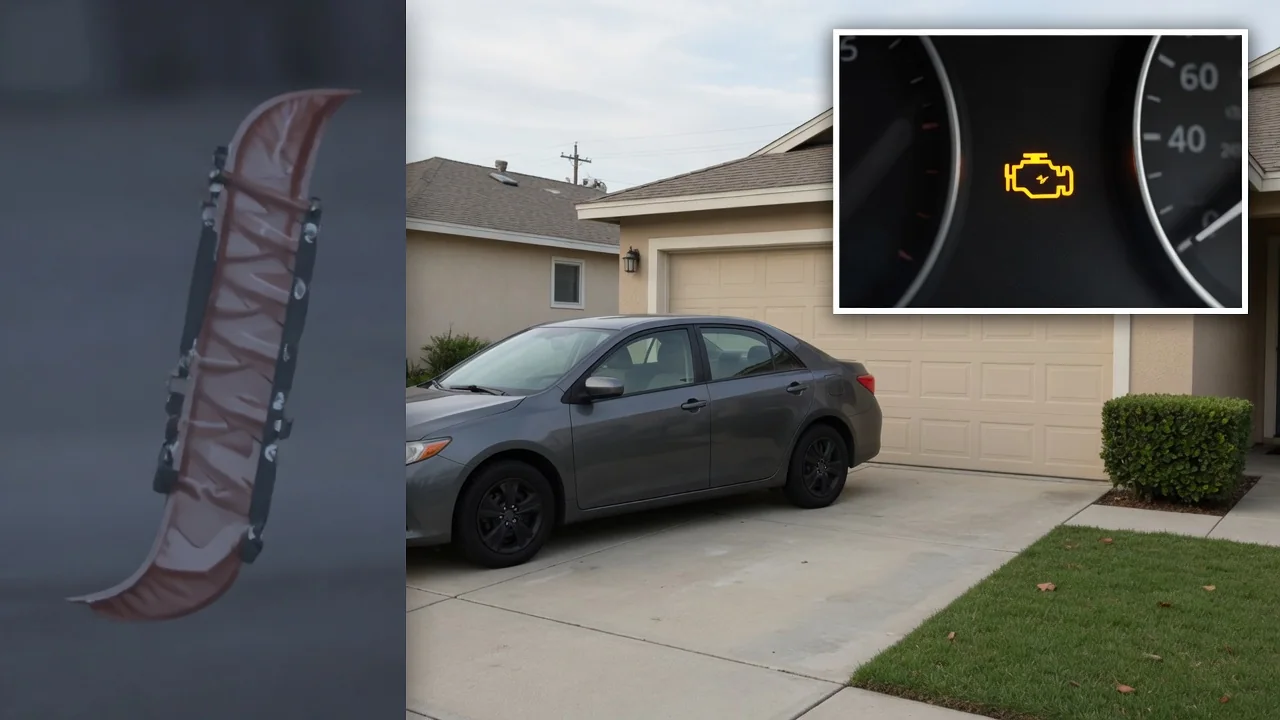
A Honda CR-V check engine light means the engine-control system has detected a condition that may affect drivability or emissions. The lamp, often labeled as the malfunction indicator lamp, does not identify a failed part on its own. Before you interpret any warning or scan result, confirm the model year, engine, and whether the vehicle is a hybrid, then use the owner's manual to tell this light apart from maintenance reminders and separate oil-pressure or temperature warnings.
What the CR-V Check Engine Light Indicates
The check engine light on Honda CR-V instrument panels is a malfunction indicator lamp tied to the engine-control module. When it illuminates, the computer has logged a condition that may involve combustion, fuel delivery, air metering, or the evaporative emissions system. That stored evidence is not a parts list. A sensor reading, a circuit fault, or an emissions leak can all turn the lamp on while the actual hardware is still intact, so diagnosis starts with data rather than replacement.
Equipment and diagnostic meaning vary by year and powertrain, so identify the exact CR-V before reading codes or assuming which sensors are fitted. Gasoline, hybrid, and different engine families do not share every monitor or warning layout. The owner's manual shows how this lamp looks and where it sits relative to oil-pressure and coolant-temperature warnings, which are separate stop-now signals. Maintenance minder messages about oil life or service due are also distinct and should not be treated as the same event as a Honda CR-V check engine light.
When the Warning Requires Stopping
A flashing malfunction indicator lamp is more urgent than a steady one because it can mean an active engine misfire. Unburned fuel leaving a cylinder can overheat a catalytic converter if driving continues. Persistent flashing, severe shaking, a large drop in power, visible smoke, or a strong fuel odor are reasons to pull over when it is safe, shut the engine down if conditions allow, and arrange assistance rather than trying to finish a trip. Those symptoms are not a diagnosis, but they are enough to stop.
A steady check engine light on a Honda CR-V that still feels normal needs prompt scanning. Smooth running does not prove the concern is minor, and it does not confirm that continued driving is safe, because some emissions or fuel-trim faults can worsen without obvious drivability change. If an oil-pressure warning or an overheating warning appears with the lamp, treat those as separate emergency cues. Stop as soon as it is safe and follow the vehicle's emergency guidance in the owner's manual rather than waiting for a shop visit.
Possible Causes Worth Investigating
Several evaporative emissions system leaks can illuminate the lamp after refueling or overnight parking. On CR-V models that use a conventional filler cap, a loose, missing, or damaged cap is a common first check because the system looks for a sealed fuel tank. Not every year uses the same filler design, so confirm the arrangement in the owner's manual instead of forcing a cap that is not there. Small hose, valve, or canister leaks produce the same category of codes and still require leak testing rather than guesswork.
Ignition, fuel-delivery, and air-metering faults can cause an engine misfire, a rough idle, hesitation, or fuel trim that stays unusually rich or lean. Those readings point to a mixture or combustion problem, not automatically to one failed coil, injector, or mass-airflow sensor. Oxygen sensor circuit faults and catalyst-efficiency codes are likewise diagnostic categories. A biased sensor, wiring issue, exhaust leak, or genuine converter damage can look similar until tested. None of these causes is ranked here by how often they appear on a given CR-V year, and not every powertrain shares the same monitors.
Safe Observations Before the Appointment
Before a scan, write down whether the check engine light is steady or flashing on the Honda CR-V, the approximate time it came on, and whether it followed a fill-up. Note hard starting, rough idle, hesitation, reduced power, unusual exhaust or fuel odors, and any other lamps that appeared with it. That timeline helps a technician relate diagnostic trouble codes and freeze-frame data to a real driving event instead of chasing a condition that only appears after the tank has sat overnight.
With the vehicle parked and the engine off, check an accessible fuel cap only if the owner's manual shows one and describes how it should click or seat. Do not open fuel-system lines, remove the cap on a hot vehicle in a way that risks a spill, or handle exhaust and ignition parts that may still be hot. Do not restart the engine just to reproduce severe shaking, smoke, or a strong fuel smell. Those observations belong to a shop with the right equipment, not a roadside experiment.
How Trouble Codes Guide CR-V Diagnosis
Stored diagnostic trouble codes show which monitor failed, while pending codes can indicate a fault that has not yet matured. Freeze-frame data captures engine speed, load, temperature, and fuel trim at the moment the fault set, which is often more useful than the code lettering itself. A code naming an oxygen sensor or catalyst is still only a pointer. Replacing that part without circuit tests, leak checks, or live-data review can miss wiring, exhaust leaks, or mixture problems that set the same identifier.
Code definitions are manufacturer-dependent, so confirm the meaning for the exact CR-V year, engine, and hybrid or non-hybrid status before treating a generic description as fact. Write down every code and any freeze-frame snapshot, then leave the memory intact. Clearing codes or disconnecting the battery erases pending status and operating conditions that a technician needs. When the cause is not obvious from a simple cap reseat, professional inspection, circuit testing, evaporative leak testing, or live-data analysis is what establishes whether a component, a seal, or a control issue is responsible.
Confirming the Problem Has Been Resolved
Bring a written summary to the appointment: year, engine, hybrid status, whether the lamp was steady or flashing, the symptoms you felt, recent fueling or service, and the exact codes you recorded. After work is done, a lamp that goes dark is encouraging but not proof the fault is gone for good. Some monitors need additional driving to complete, and stored or pending information can still explain an intermittent return. Ask what was tested, what was replaced, and which monitors still need to run.
Verification should match the repair: a smoke or leak test after an evaporative repair, ignition or fuel-trim review after a misfire, and oxygen-sensor or catalyst data after an efficiency code. There is no single drive cycle that completes every CR-V monitor, so follow the shop's guidance rather than assuming a set route will finish the job. If the warning returns or drivability worsens, the concern needs a fresh look with the original freeze-frame and new codes compared. A flashing lamp or severe running problem again means stop safely and arrange help.