Honda Civic Electronic Parking Brake Problem: Diagnosis and Next Steps
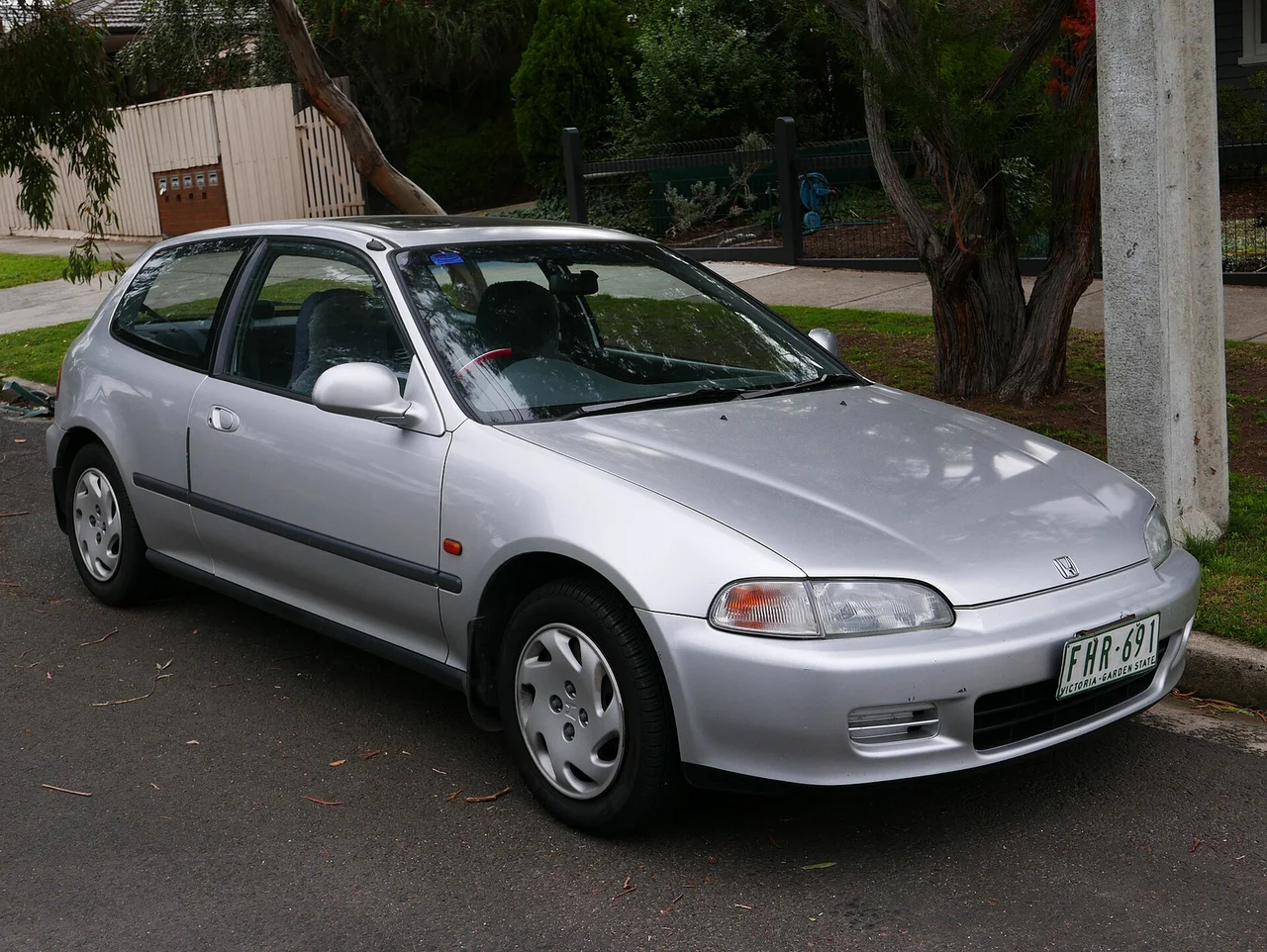
An electronic parking brake problem on a Honda Civic usually shows up as a warning message, a flashing or amber parking brake indicator, or a brake that will not apply or release. The causes range from a weak 12-volt battery to a failed rear caliper actuator, so replacing parts on a guess is expensive and often wrong. This guide covers how to record the fault, which causes fit which signs, what you can safely check and when the car should not be driven.
Establish the symptoms
Start by writing down exactly what the car does. Note the wording of any message on the instrument cluster, such as a brake system or electric parking brake warning, and whether the parking brake indicator is red or amber, steady or flashing. Record whether the brake fails to apply, fails to release, releases slowly, or works normally but leaves a warning on. If a rear wheel stays locked or drags, note which side. Listen for the actuator motor at each rear wheel when you operate the switch, and note whether only one side responds.
Timing matters as much as the symptom. A fault that appears only after a cold night, a short trip or a period of sitting points in a different direction than one that began right after rear brake work, a tire change, a battery replacement or a jump start. Also note related signs: other warning lights such as ABS or charging system lights, slow cranking, dim lights, grinding from the rear, a burning smell after driving, or the car creeping when parked on a slope. Check whether Brake Hold and automatic release when you press the accelerator still work, because they depend on the same system.
Distinguish plausible causes
Low system voltage is one of the most common triggers. The rear caliper actuators draw considerable current, and a weak battery, corroded terminals or a poor ground can make the control module record a fault even when the brake hardware is fine. This explanation is supported when the warning appears alongside slow cranking, other electrical messages or a recently flat battery. It is weakened when the battery and charging system test healthy under load.
A failing actuator motor on one rear caliper, or a damaged connector or harness near that wheel, tends to cause a one-sided fault: one wheel stays locked, one motor stays silent, or the warning returns regardless of battery condition. A seized caliper piston, corroded slide pins or a sticking parking mechanism can produce similar signs plus dragging, heat at one wheel and uneven pad wear. Recent rear brake work is a strong clue. If pads were replaced without first putting the system into its maintenance mode, the piston may have been forced back against the actuator, damaging the mechanism or leaving the system uncalibrated.
Heavily worn rear brake pads can contribute because the actuator must travel farther to clamp the rotor; pads near their wear limits, uneven friction material or scored brake rotors support this. A faulty parking brake switch is more likely when the brake will not respond to the switch at all while other functions, such as automatic release, still work. Control module or software faults are possible, but they are normally confirmed only after power, wiring and actuators have checked out.
Checks in a useful order
Begin with observations that need no tools. Park on level ground and confirm the warning repeats after a normal restart. Read the owner's manual section on the parking brake and Brake Hold so you know the correct operating sequence, including any need to press the brake pedal when releasing. Look at the battery terminals for corrosion or looseness and consider the battery's age. Through the wheel spokes, look at the remaining rear pad thickness and the rotor surfaces. Check the brake fluid level in the reservoir; a low level can indicate pad wear or a leak and needs an explanation, not just topping up.
Next come checks that need equipment. A battery load test and charging system test separate a voltage problem from a hardware fault. A scan tool able to read Honda brake and chassis modules will show stored trouble codes and, on capable tools, run the parking brake maintenance and calibration routines. Measuring pad thickness and rotor condition against the specifications for your exact model year and trim confirms whether wear limits have been reached. Inspecting the connectors and harness at each rear caliper requires the wheels off and the car safely supported on stands.
Leave actuator testing, caliper removal, retracting the rear pistons and any brake fluid work to a qualified technician unless you have the service information and tools for your Civic. Forcing a rear piston back with a clamp, or disconnecting parts to free a stuck brake, can damage the actuator and leave the car unable to hold on a slope.
Interpret the findings
A failed battery load test or poor connections, with the fault clearing once voltage is restored and codes are erased, points to an electrical trigger. It does not prove the actuators are healthy, so confirm that the brake applies and releases repeatedly and that the warning stays off over several days of normal use. If stored codes point to one rear actuator or its circuit, inspect the wiring and connector on that side before condemning the caliper, since a damaged harness or corroded terminal can produce the same code.
Pads at or near the wear limit, uneven wear or scored rotors may explain the fault and confirm that the rear brakes need service either way. Replacement parts must match the vehicle fitment for your Civic's generation, body style and trim, because rear calipers and pads differ between versions. After pads or calipers are replaced, the system must be taken out of maintenance mode and calibrated; a warning that persists after a correct repair suggests a second fault rather than a defective new part. If power, wiring, switch and actuators all test good, the control module or its software becomes the remaining suspect, which usually calls for dealer or specialist diagnosis.
Urgency and next action
Stop driving and arrange towing or mobile service if a rear wheel stays locked or drags, a wheel becomes very hot or smells of burning, the brake pedal feels soft or travels farther than usual, brake fluid is leaking, or the red brake warning stays on with the parking brake released. A parking brake warning combined with weaker normal braking is a braking fault, not a nuisance light. If the parking brake will not apply, the car cannot be safely left on a slope: park on level ground, select Park or leave a manual transmission in gear, and use wheel chocks until it is repaired.
When booking the repair, give the technician the model year, trim and transmission, the exact warning text, your symptom notes, and any recent brake, tire or battery work or jump start. Ask for stored codes and test results before parts are ordered, and ask for the parking brake to be calibrated and road tested afterward. There is no reliable way to predict how long an unresolved electronic parking brake fault will stay harmless, so arrange diagnosis promptly rather than waiting for the warning to clear.