Honda Car Insurance: Factors That Affect Your Quote
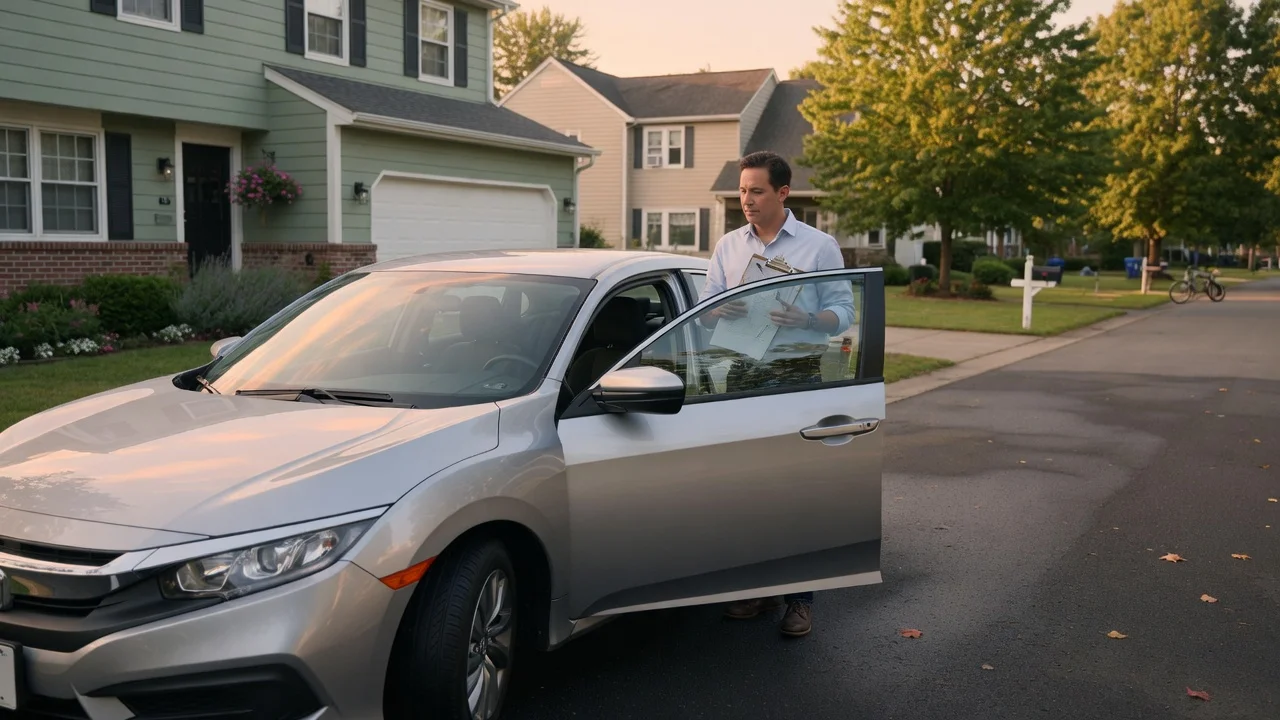
What a Honda insurance quote actually prices
A Honda insurance quote is not a brand-wide rate. Insurers price a specific vehicle, a specific driver, a specific location and a specific set of coverages. Two Hondas can produce very different premiums when the model, model year, trim, powertrain, usage or driver profile changes. The brand name matters only insofar as that Honda’s claim, theft, injury and repair history differs from other cars in the same class.
The essential answer for someone shopping Honda coverage is this: the quote follows the same rating factors used for other passenger vehicles, applied to that Honda’s configuration and to the policyholder. There is no single Honda price, and there is no guarantee that every insurer applies a Honda-specific discount. Material qualifications include market (country, state or province), insurer, model year and generation, hybrid versus gasoline powertrain, performance trims, and whether the car is owned, financed or leased.
Vehicle factors that move the number
Insurers start with the car itself. A compact Honda Civic is typically scored differently from a Honda CR-V, Accord, Pilot, Odyssey, Ridgeline or a high-output model such as Civic Type R or Civic Si. Those differences come from expected repair cost, parts availability, theft frequency, occupant injury claims and the car’s size and power. Claims for a given nameplate can also shift by generation, so a current Civic is not automatically rated like an older one.
Model and body style: sedan, hatchback, crossover, minivan, pickup and coupe are rated as different risks. Model year and generation: newer cars may carry higher replacement cost; older cars may have weaker crash-protection scores or fewer standard driver-assistance features. Trim and powertrain: hybrid, plug-in hybrid, turbocharged and performance variants can change parts cost, replacement value and claimed loss experience. Confirm the exact trim, engine and drivetrain on the quote. Safety and driver-assistance equipment: Honda Sensing and similar packages (forward-collision warning, automatic emergency braking, lane-keeping, adaptive cruise) can affect some insurers’ rates when those features are documented for that year and trim. Credit is not automatic and is not the same at every company. Anti-theft equipment and recovery hardware: immobilizers, alarms and tracking devices may qualify for a discount where the insurer recognizes them. New versus used, financed versus owned: lenders and lessors usually require comprehensive and collision, which raises the premium compared with liability-only coverage on an owned older Honda.
Repair economics matter. Honda uses a mix of widely available mechanical parts and, on newer models, cameras, radar units, aluminum panels and advanced lighting that can raise collision repair bills. Insurers incorporate those costs into the vehicle’s rating symbol or similar internal score. Exact repair-cost figures vary by market and by year, so a quote should be treated as insurer-specific rather than as a published Honda specification.
Driver, location and how the Honda is used
The same Civic or CR-V will not quote the same for every driver. Age, years licensed, at-fault accidents, speeding and other moving violations, and, in markets where it is allowed, credit-based insurance scoring all feed the rate. A household with multiple drivers or a young occasional operator is priced on the riskiest permitted driver unless the policy is structured otherwise.
Garaging ZIP or postal code, urban density, local theft and uninsured-motorist rates, and weather-related claim patterns change the premium even when the Honda is identical. Annual mileage, commute versus pleasure use, and whether the car is used for rideshare or delivery also belong on the application. Misstating use is a common reason a later claim is disputed.
Coverage choices that change a Honda quote
Liability limits, uninsured and underinsured motorist coverage, medical payments or personal injury protection, comprehensive, collision, rental reimbursement and roadside assistance are selected by the buyer. Deductibles on comprehensive and collision have a direct effect: a higher deductible usually lowers the premium and raises out-of-pocket cost after a claim. On a financed or leased Honda, the lender’s minimums often set a floor you cannot go below.
Gap coverage, new-car replacement and original-equipment-parts endorsements are optional in many markets and can be relevant on a new Honda whose actual cash value falls faster than the loan balance. Whether those products are available, and what they cost, is insurer- and jurisdiction-specific. Compare identical limits and deductibles across quotes; a cheaper Honda policy that drops collision or cuts liability limits is not the same product.
How to read and compare Honda quotes
Ask each insurer to rate the exact vehicle identification number (VIN) or the precise year, make, model, trim and safety package. Small VIN mismatches, such as a hybrid quoted as a gasoline model, produce misleading prices. Confirm that listed drivers, annual mileage, garaging address and prior-insurance status match your situation.
Discounts that commonly appear on Honda policies include multi-policy (auto plus home or renters), multi-car, good-driver, defensive-driving course, student-away, paperless billing, pay-in-full, and telematics or usage-based programs. Honda-branded or dealer-placed insurance, where offered, is still underwritten by an insurer and is subject to the same rating factors. Bundling at a dealership does not by itself lock in the lowest rate.
Public, model-level average premiums published by consumer outlets or insurers are directional only. They mix many drivers, coverages and regions and should not be treated as the price you will be offered for a given Civic, Accord or CR-V. The supported next action is to obtain VIN-specific quotes from more than one admitted insurer or a licensed agent, using the same coverage stack, and to disclose commuting, rideshare and household drivers accurately.
What this guide does not pin down
This article does not assign dollar premiums to Honda models, does not rank insurers, and does not treat any one Civic, CR-V, Accord or Pilot generation as cheaper in every market. Loss experience, parts cost and available discounts change by model year, trim, powertrain and jurisdiction. Where a figure is not attached to a stated model year, market and insurer, treat it as unavailable rather than implied.