Honda Brake Pad Replacement Cost
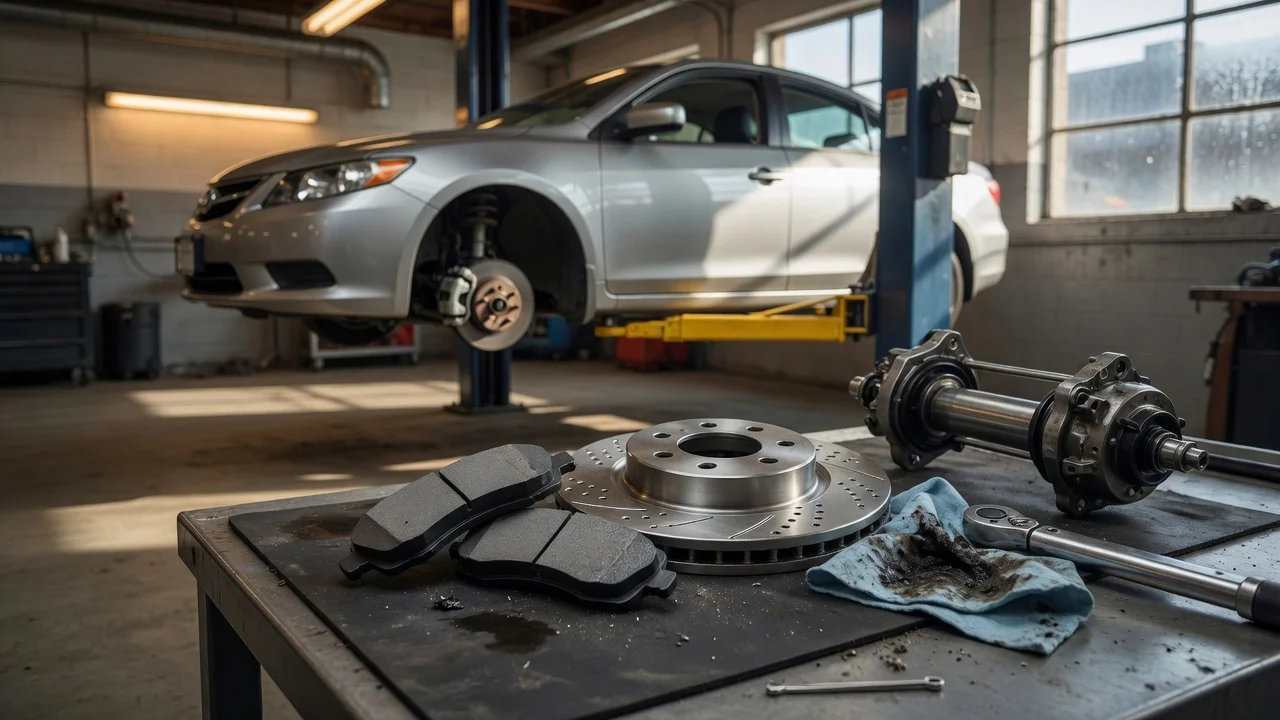
What to expect for a Honda brake pad replacement
For most Honda cars and small SUVs, a brake pad replacement typically costs between $250 and $450 per axle when completed by an independent repair shop. A dealership is usually higher, often $350 to $600 per axle. The exact price depends on the model, whether the front or rear pads are being replaced, the type of replacement pad, and local labor rates. Replacing only pads is less expensive than a full pad and rotor service.
What influences the cost
The largest variable is usually labor. Shops often quote between one and two hours per axle, and labor rates commonly range from $100 to $200 per hour depending on the region. Parts are the second major cost. Basic aftermarket brake pads for a Honda Civic or Accord may run from $50 to $120 per axle, while premium ceramic or original equipment style pads can cost $100 to $200 or more per axle.
Some Honda models require electronic parking brake service or caliper retraction procedures for rear pads. If a scan tool or software procedure is required, shops may add a small diagnostic or service fee. Performance-oriented models, such as a Civic Si or Type R, may use larger or specialized pads that carry a higher parts price than a standard trim.
Front versus rear brake pads
Front brake pads generally wear faster than rear pads because the front axle handles more braking load. A front pad replacement is often the first brake service a Honda owner needs. Rear pad replacement may be needed less frequently, but it can be slightly more complex on vehicles with an integrated electronic parking brake. In many cases, the per-axle labor cost is similar, while pad sets for the rear are sometimes less expensive than front sets.
How to know when pads should be replaced
Common indicators include a high-pitched squeal or metallic grinding noise during braking, a brake pedal that feels different, or a visible reduction in pad material through the wheel spokes. Many Honda pads include a wear indicator that creates a squealing sound when the friction material is near its minimum thickness. A grinding noise often means the pad material is fully worn and the backing plate is contacting the rotor, which can require rotor replacement as well.
If the condition is uncertain, a brake inspection is the safest next step. Shops typically measure the remaining pad thickness in millimeters. Many service providers recommend replacement when the friction material reaches about 3 mm or less, though the exact threshold varies by pad design and Honda service guidance.
Pad replacement versus pad and rotor service
A pad-only replacement is appropriate when the rotors are smooth, above the minimum thickness, and free of deep scoring or heat discoloration. If the rotors are worn or uneven, the complete pad and rotor job is the more durable repair. A pad and rotor replacement on one axle usually adds $150 to $400 over the pad-only price, depending on the rotor type and whether the shop resurfaces or replaces the rotors.
Model examples and what can change the estimate
For a common model such as a Honda Civic, CR-V, or Accord, independent shops often price front pad replacement from about $220 to $380. Rear pad replacement on the same vehicles may fall in a similar range or slightly lower. A Honda Odyssey or Pilot can cost somewhat more because larger vehicles may use heavier-duty pads and require additional labor time.
The repair market and location also matter. Prices in urban areas and dealership service centers tend to be at the upper end, while rural independent shops may quote lower labor. OEM Honda pads purchased from a dealer parts counter are usually priced above comparable aftermarket pads, but the total installed cost can still be reasonable when combined with an independent shop's labor.
Choosing a suitable next step
For most Honda owners, the practical path is to request a written estimate that separates parts and labor and clearly states whether the quote includes new rotors, resurfacing, pad replacement hardware, or electronic parking brake service. Ask for the remaining pad thickness during the inspection. If the shop recommends immediate replacement, a second measurement or a second opinion can clarify whether the service is urgent or can be scheduled within a few thousand miles.
Not all brake noises require immediate pad replacement, but any grinding or consistent metal-on-metal sound should be checked promptly. Ignoring fully worn pads can damage the rotors and raise the eventual repair cost.