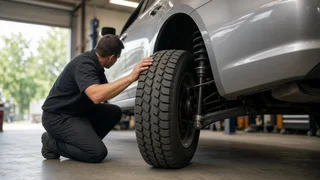
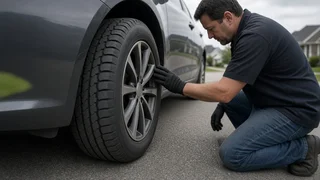
Honda Accord Rear Tire Cupping
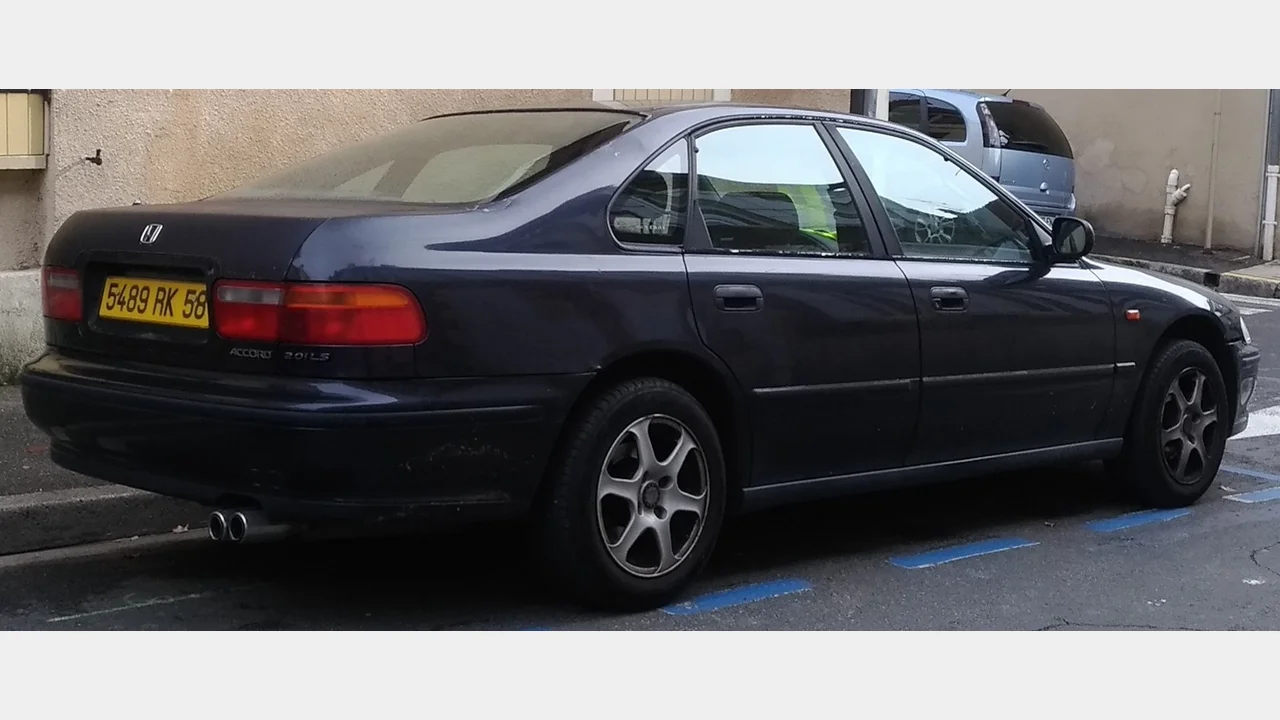
Rear tire cupping on a Honda Accord creates a rhythmic, scalloped wear pattern that makes the cabin noisy and the ride feel rough long before the tread is legally worn out. This irregular wear usually points to an alignment, suspension, or balance problem rather than a defect in the tire compound itself. Understanding how the Accord’s rear geometry, tire size, load index, speed rating, inflation pressure, and drivetrain compatibility interact helps owners diagnose the true cause before rotating or replacing the rear tires.
Essential answer
Honda Accord rear tire cupping is a distinctive high-low wear pattern across the tread face, often felt as a vibration or heard as a growling noise that changes with speed. It means the rear tire is not rolling smoothly against the road. Instead, the tread blocks are being slapped or scrubbed during each revolution, which carves shallow dips into the rubber. This is different from even wear or simple center wear caused by overinflation. The scalloped shape is the key clue, and it usually appears more clearly on the inner or intermediate tread ribs.
The condition is not a tire disease but a symptom of how the rear suspension and alignment manage the contact patch. On an Accord, common contributors include excessive rear toe or camber, worn shock absorbers that let the wheel bounce rapidly, bent suspension components, or an out-of-balance wheel and tire assembly. A fault code is not normally present for mechanical cupping. Because the rear tires follow the front tires, rotation intervals, correct inflation pressure from the vehicle placard, and matching tire size and load index all influence how quickly this pattern develops.