Honda Accord Brake Pad Replacement Cost
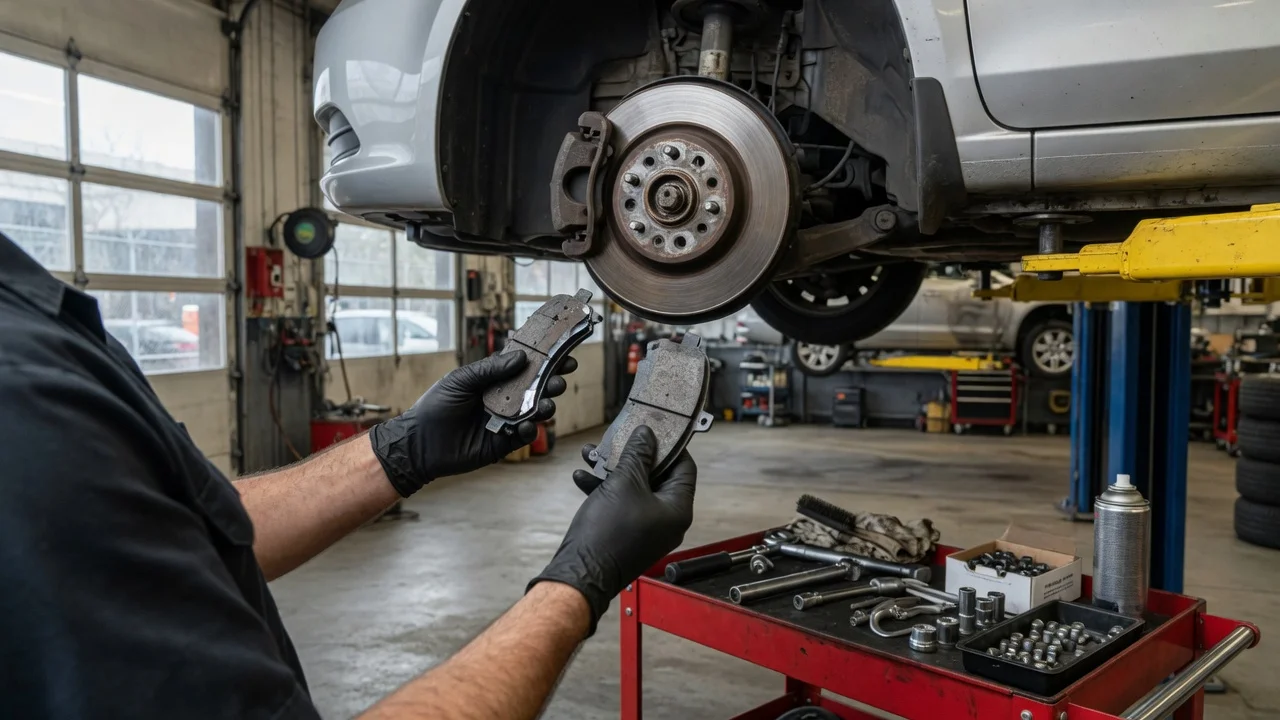
What Honda Accord brake pad replacement costs
There is no single Honda Accord brake pad replacement price. The bill changes with model year, whether the front axle, rear axle, or both are being serviced, whether the rotors also need machining or replacement, the pad brand, and whether the work is done at a dealer, an independent shop, or at home. A written estimate tied to your vehicle identification number (VIN) is the figure that matches your car; published ranges often mix pad-only jobs with pad-and-rotor jobs and do not isolate Accord generations or trims.
Specific dollar amounts, shop rates, and parts prices are not included here because they vary by market and change over time. Use the factors below to read any quote and to decide the next step.
What a typical job includes
Brake pads are the friction linings that press against the rotor (the metal disc that turns with the wheel) when you press the pedal. Replacement usually means new pads on one axle, a caliper inspection, hardware such as clips or shims if they are worn or not reusable, brake-system check, and a test drive. Many shops also machine or replace rotors in the same visit if the discs are below minimum thickness, scored, or warped enough to cause pedal pulse.
Front pads only: common first service on many Accords because the front axle does more of the stopping work. Rear pads only: more likely later in the vehicle’s life, or sooner if the fronts were already done. Pads and rotors on the same axle: a larger parts and labor total than pads alone. Both axles in one visit: higher parts cost, often with a labor discount versus two separate appointments.
Conditions that change the price
Accord brake hardware is not identical across every year, market, trim, and powertrain. Quotes should name the model year and the axle. Differences that often move the total include caliper design, electronic parking brake on some later rear axles, and whether the car is a hybrid with regenerative braking, which can change how quickly rear pads wear relative to the fronts.
Model year and generation: pad shape, rotor size, and caliper type change across Accord generations; a quote for one year does not automatically apply to another. Trim and powertrain: Sport, Touring, and hybrid variants can use different rotors or calipers than a base gasoline sedan of the same year. Confirm fitment against the VIN. Front versus rear: labor and parts are usually priced per axle. Rear work on models with an electronic parking brake can take longer than a conventional mechanical parking brake. Rotors: machining (resurfacing) adds shop time; new rotors add parts cost. Shops often recommend replacement when the disc is at or below the stamped minimum thickness or is too damaged to machine. Pad grade: original-equipment (OE) or OE-equivalent pads typically cost more than economy aftermarket sets. Ceramic-style pads are a common Accord choice for quiet street use; performance compounds can cost more and may increase rotor wear or dust. Where the work is done: dealer labor rates are often higher than independent shops. Mobile mechanics and DIY parts-only purchases omit shop labor but shift inspection and rotor decisions to you. Related repairs found during inspection: seized slide pins, torn boots, leaking calipers, worn brake hoses, or low fluid can add parts and labor that a pad-only estimate did not include.
How to read a quote
Ask the shop to list parts and labor separately for each axle, and to state whether rotors are being machined, replaced, or left as-is. The estimate should identify the pad brand and whether hardware is included. If the quote is a range, the high end is often the pad-and-rotor path; the low end is often pads and reusable rotors.
VIN or exact year, trim, and engine so the parts catalog is correct. Front, rear, or both axles. Pad-only versus pads and rotors, with rotor minimum thickness noted if measured. Labor hours and hourly rate, or a bundled axle price that still names what is included. Warranty on parts and on labor, in months or miles.
Choosing a next step
If the pedal is firm, there is no grinding, and a recent inspection showed pad material still above the shop’s replacement threshold, you can plan the job rather than treat it as urgent. Squeal from wear indicators, a grinding noise, a much longer stopping distance, or a brake warning light are reasons to stop driving until the system is inspected. Do not rely on pad wear alone if the steering wheel or pedal pulses under braking; that often points to rotor condition as well.
For an informed decision, get at least two written estimates on the same scope: same axle, same pad grade, and a stated rotor plan. Compare OE or OE-equivalent pads if you want the closest match to how the Accord was built. If you are comfortable with DIY, price a complete axle kit (pads, hardware, and rotors if needed) against a shop’s parts-and-labor total, and account for a torque wrench, proper caliper retraction (especially with electronic parking brakes), and a post-job bedding procedure so the new pads mate to the rotors.
Unresolved differences remain until a shop or parts lookup uses your VIN: exact pad and rotor part numbers, whether your rear calipers need an electronic parking-brake service mode, and whether your rotors are still above minimum thickness. Those three facts determine whether you are buying a modest pad job or a larger brake service.