Homemade Windshield Washer Fluid: Safe Options and What to Avoid
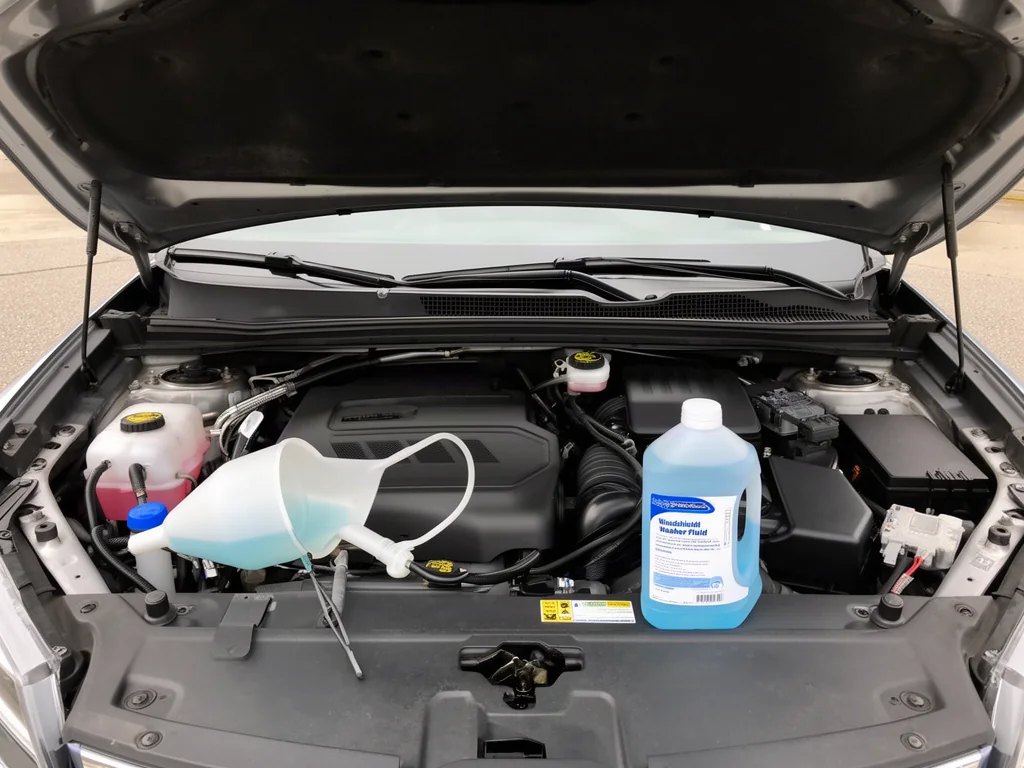
Searching for a homemade windshield wiper fluid recipe usually starts with an empty washer reservoir and a bottle of something under the sink. Before you mix anything, it helps to know what washer fluid actually has to do and why Windex and other household cleaners make poor substitutes. A labeled washer fluid concentrate is the safer way to refill at home, as long as the weather and your vehicle allow it.
What Homemade Washer Fluid Needs to Do
Washer fluid has a job that sounds simple. It has to loosen road film, bug residue, salt spray and oily haze, then rinse away cleanly as the wipers sweep. Any residue it leaves is a problem. A thin smear that looks harmless in daylight can scatter headlight glare at night and turn windshield streaking into a real visibility hazard. A good fluid wets the glass evenly, lifts grime quickly and leaves nothing behind for the blades to drag around.
A mixture that cleans a window by hand hasn't proven it belongs in a car. The washer system includes a reservoir, a small electric pump, hoses, check valves and fine washer nozzles, and the fluid sits in contact with all of them for weeks. Some systems also spray the headlamps or the rear window. An improvised household mix has no established freeze rating and no verified compatibility with those materials. Judge any DIY windshield wiper fluid by whether it was designed and labeled for this use.
Check Vehicle Requirements and Expected Temperatures
Start with the owner's manual before deciding how to make windshield wiper fluid at home. Many manuals state what type of washer fluid the manufacturer expects, warn against certain additives, or say that plain water should not be used in some conditions. Vehicles with heated nozzles, sensors or headlamp washers may carry extra cautions. That guidance matters more than any recipe found online, because the manufacturer knows which materials are in the system and what the fluid will contact.
Temperature is the next filter. Check the forecast for overnight lows where the car is parked, not just the afternoon high, and think about any trip into the mountains or colder regions. Choose a product whose labeled temperature rating covers those conditions with some margin. Color, smell or a quick test spray in the driveway can't tell you whether a mix will freeze on the glass at highway speed. They also can't tell you how it will affect seals and hoses over months.
Use Labeled Washer Concentrate for a Controlled DIY Refill
The most controlled DIY option is automotive washer fluid concentrate, as long as your vehicle's instructions permit it. Concentrate is made for washer systems, and its label describes what it does and the conditions it's meant for. Mixing it at home lets you refill the washer reservoir from a smaller container. The result is only as reliable as your adherence to that product's directions, including any requirement for distilled water or a particular water quality.
There's no universal ratio worth trusting, so read the bottle rather than borrowing a number from another brand. Stretching concentrate with extra water weakens both the cleaning agents and the freeze protection, which can leave you with fluid that smears in summer and ices up in winter. Avoid any windshield wiper fluid recipe that has you measure in rubbing alcohol or blend household chemicals. Without testing, nobody can promise how that mix will clean, freeze or treat the system's components.
Why Windex and Household Cleaners Do Not Belong in the Reservoir
Can you use Windex as windshield wiper fluid? Household Windex should not go in the reservoir unless a specific product explicitly says it's intended for washer systems and your vehicle's requirements allow it. Household glass cleaner is designed to be sprayed and wiped by hand at room temperature, not pumped through nozzles in freezing air. Formulas vary across the product line, so the issue isn't one particular ingredient. The problem is that the cleaner was never labeled for this job.
Household cleaners can foam when the pump agitates them. They can leave streaks or film that the wipers smear across the glass, and their effect on reservoir plastics, seals and paint hasn't been checked. Damage isn't guaranteed, but you take on the risk for no benefit. Keep dish soap, bleach, vinegar and other kitchen or bathroom mixes out of the tank. For cleaning by hand, an automotive glass cleaner and a cloth work well, but that's a different use from filling the reservoir.
When Plain Water Is Only a Temporary Option
Plain water can serve as a short-term stopgap, but only when the owner's manual allows it and no freezing temperatures are expected before you can refill properly. Distilled water beats tap water because it limits mineral deposits in the pump and washer nozzles. It still provides no freeze protection and none of the cleaning agents that break down oily road film. Water can also freeze in the reservoir or lines and cause its own trouble, so keep this option strictly temporary.
Buy vehicle-appropriate washer fluid at the next opportunity instead of relying on water through a rainy week or a long highway stretch. Water tends to smear traffic grime instead of lifting it, especially behind trucks or on freshly treated roads. If you can't keep the windshield clear, pull over somewhere safe and clean the glass, or wait for conditions to improve. Driving on with impaired visibility is never worth the errand you saved.
What to Do After Adding an Unsuitable Mixture
If you've already filled the tank with Windex, soapy water or an unknown homemade mix, watch for persistent foam, smearing, a weak or uneven spray, or no spray at all. These signs point to a problem worth checking, but they don't identify a specific cause. A clogged nozzle, a frozen line or a pump issue can look similar. Don't pour in another chemical to neutralize or dilute the mixture, because adding more unknown ingredients only makes the situation harder to assess.
Ask a qualified technician about removal and inspection if household cleaners went in, if you're unsure what's in the tank, or if you suspect the fluid has frozen. They can assess the system without guesswork. Afterward, keep washer products in their original labeled containers, sealed and out of reach of children and pets. Never pour washer fluid or concentrate into soda bottles, jugs or other food or drink containers, where someone could mistake it for something safe to drink.