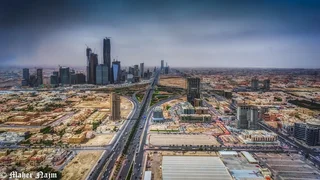
Hitech City traffic diversion
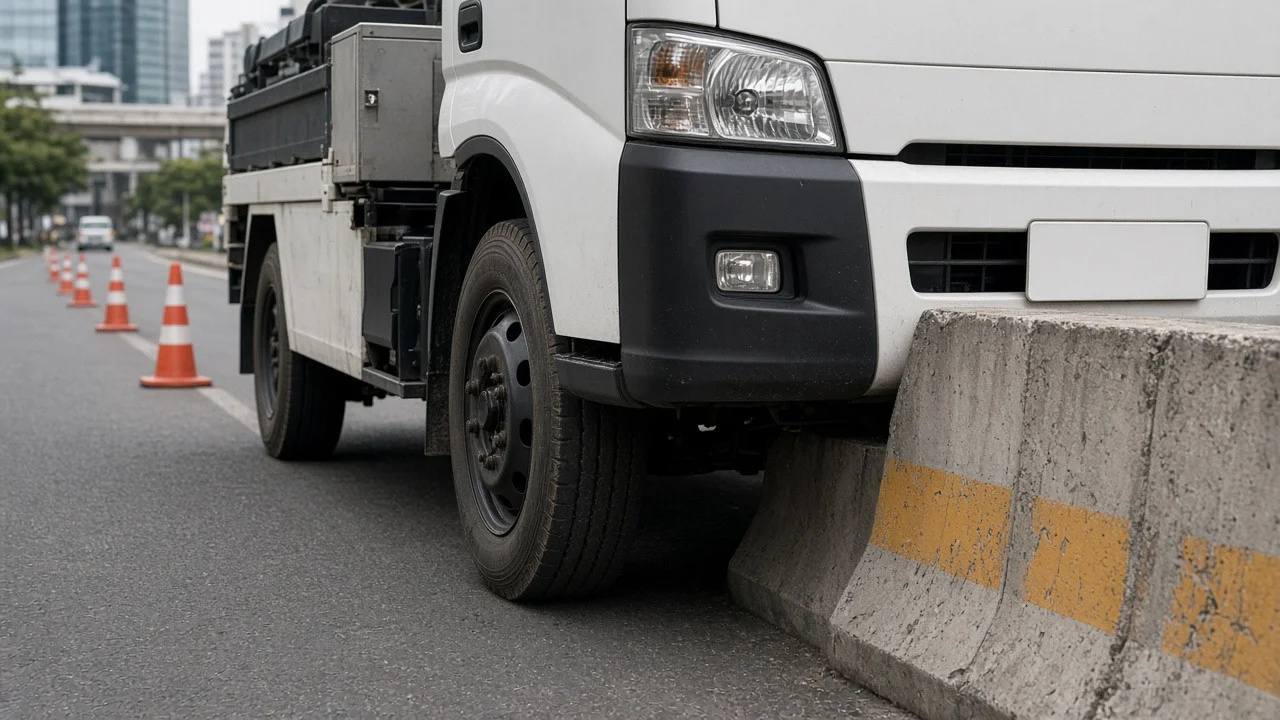
Hitech City traffic diversion can be confusing because a familiar route suddenly changes under signal control, temporary barriers, or police direction. The essential question is not only where vehicles are sent, but how a driver should read the changed right of way, road markings, visibility, and surrounding traffic. In an automotive context, this is a moving decision problem. A driver must process an altered path while maintaining a safe following distance and adapting to road conditions and driver attention demands. The diversion may reroute cars around construction, an incident, or a planned closure.
Essential answer
Hitech City traffic diversion refers to redirecting vehicles away from a normal path through that area, usually to manage congestion, construction, or a blocked segment. For a driver, the essential answer is that the diversion changes the legal and practical route, but it does not remove the need to observe road markings and posted controls. An unfamiliar alternate path can reduce forward visibility and create sudden lane changes, so the driver should treat the diversion as a temporary road environment rather than a shortcut.
The situation also changes how right of way works at junctions where diverted traffic merges with local flow. Even if a driver has a green signal, turning or merging vehicles may enter from an unexpected angle. Maintaining a larger following distance helps because vehicles ahead may brake late while reading detour signs. Road conditions can vary on the alternate route, and driver attention should shift to signs, pavement edges, and crossing traffic instead of relying on habit.