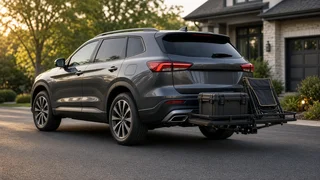
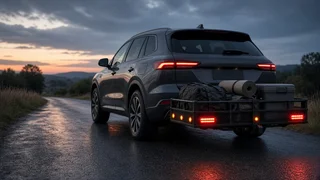
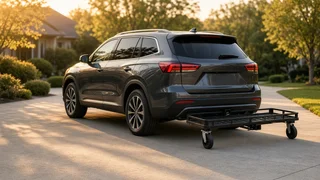
Hitch mounted cargo carrier Australia
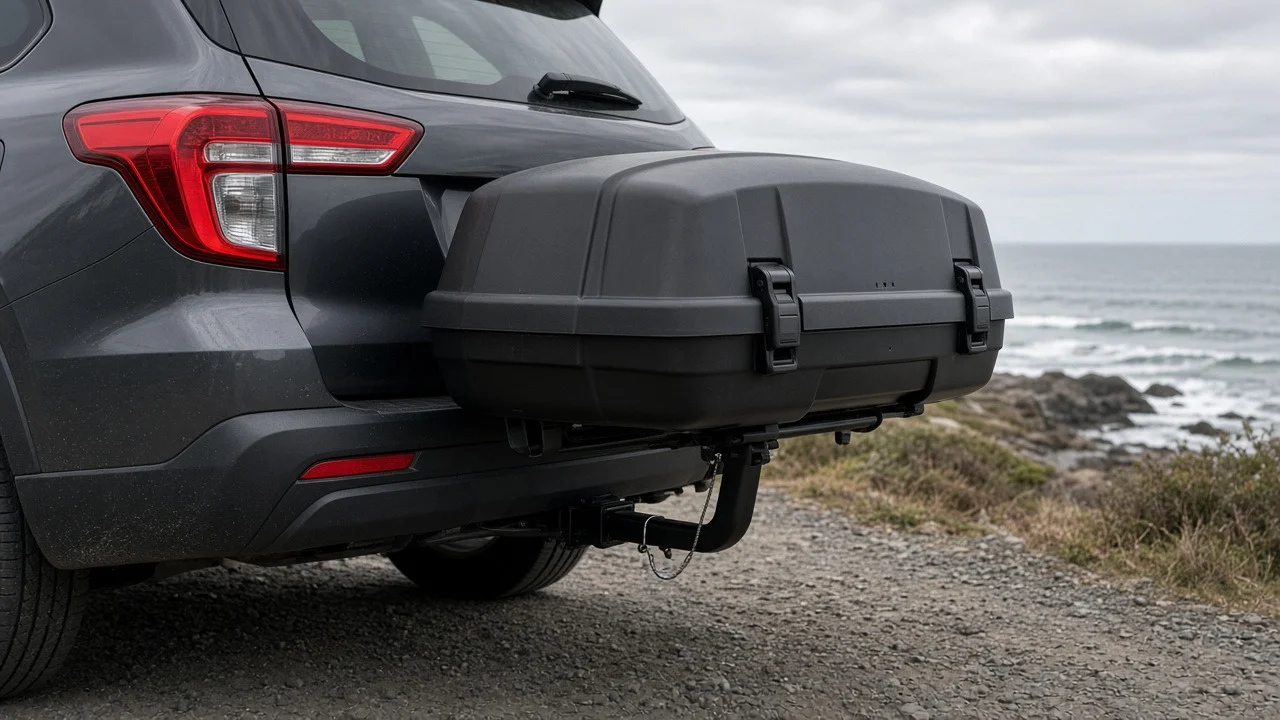
Choosing a hitch mounted cargo carrier in Australia means matching the carrier design to your tow bar, vehicle structure, and the loads you actually carry. The category spans tray-style platforms, enclosed boxes, and folding units, but the decision usually comes down to clearance, load rating, corrosion protection, and product compatibility. Australian conditions add exposure to dust, sun, coastal salt, and long-distance touring, so surface material and mounting points deserve close attention before purchase. A practical approach is to confirm the receiver size, tongue capacity, and loaded weight first, then compare construction and access features.
The direct answer
A hitch mounted cargo carrier can add useful capacity as long as it suits the receiver type, vehicle tongue rating, and intended cargo weight. The direct answer is to select a carrier that fits the tow bar receiver opening, stays within the manufacturer’s maximum vertical load, and leaves adequate ground and body clearance. A unit that satisfies those conditions is usable for luggage, camping gear, or bulky items that would otherwise occupy cabin space. Without that match, even a well-built carrier can overload the hitch, scrape on driveways, or block rear lighting.
Buyers should also account for the way Australian vehicles are used. A tray that works on a sedan may sit too low on a soft-roading SUV or wagon, while a high-mount design may interfere with a spare wheel or barn door. Look at the shank rise or drop, the distance from the pin hole to the platform, and the total depth behind the vehicle. Sealed bearings, coated steel, aluminium planks, and reinforced mounting tubes affect durability, but they only matter after compatibility is confirmed. The purchase should therefore start with receiver dimensions, tongue load, and use case rather than brand or style.