Highway 410 toll
Drivers asking about a Highway 410 toll are usually trying to figure out whether a specific trip will add a road-use charge and how that charge is recorded. The answer depends on which route section is being named, because the same numeric designation can appear in different regions with different road operators. A toll account, vehicle class, and payment method all affect how a billing record appears. This overview explains the general principles that govern toll roads and the practical factors to check before assuming a charge applies to your drive.
Essential answer
The essential answer is that a toll charge applies only where a specific route section is operated as a tolled facility. A designation such as Highway 410 does not by itself create a charge; instead, the road operator must designate a managed lane, bridge, or express segment as tolled. When no general toll has been confirmed for the route, the most accurate response is that the highway should be treated as toll-free unless signage or an official billing record shows otherwise. Route numbering can also overlap across jurisdictions, so the region matters as much as the highway name.
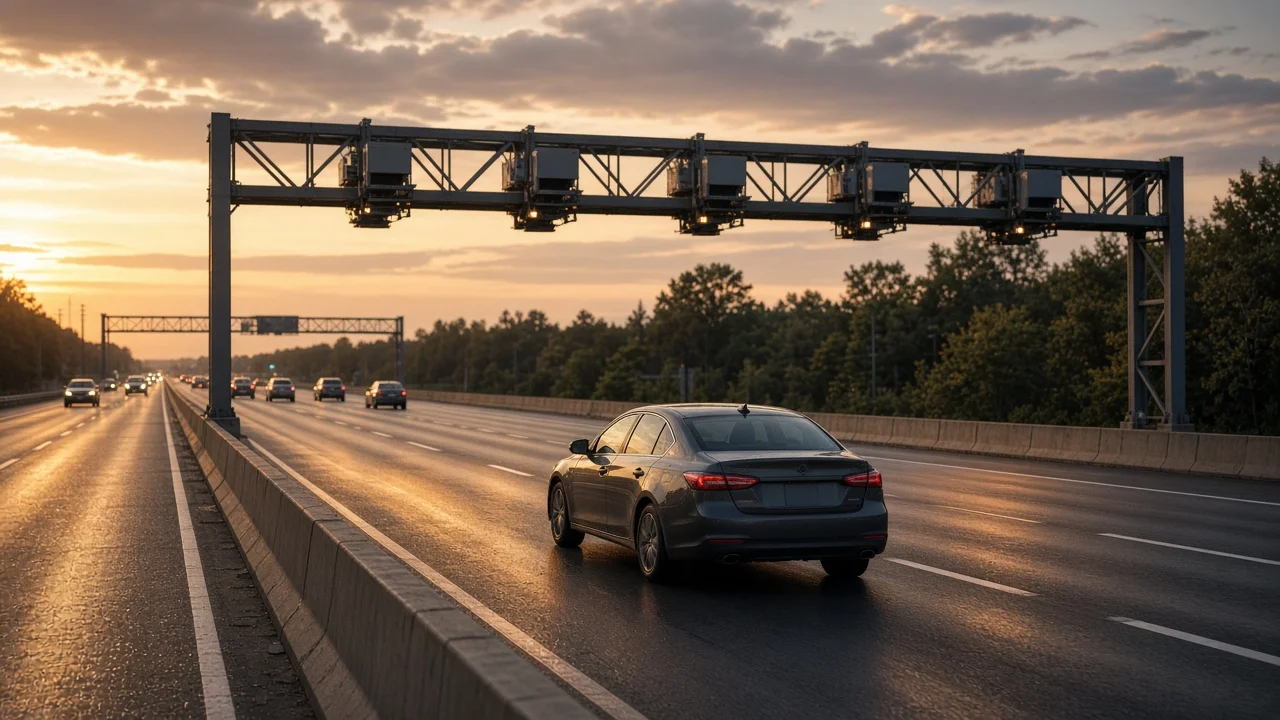
Drivers should therefore separate the highway label from the tolling method. A toll road may use open road tolling, a plaza, or a cashless gantry tied to a toll account. If a vehicle travels only on free segments, no payment method is triggered. When a charge does occur, it is typically calculated by vehicle class, so a passenger car and a multi-axle truck will not necessarily receive the same billing record. Checking the specific route section before travel gives the most dependable answer to whether Highway 410 adds a cost.