High Zinc Engine Oil: Why Some Engines Need It
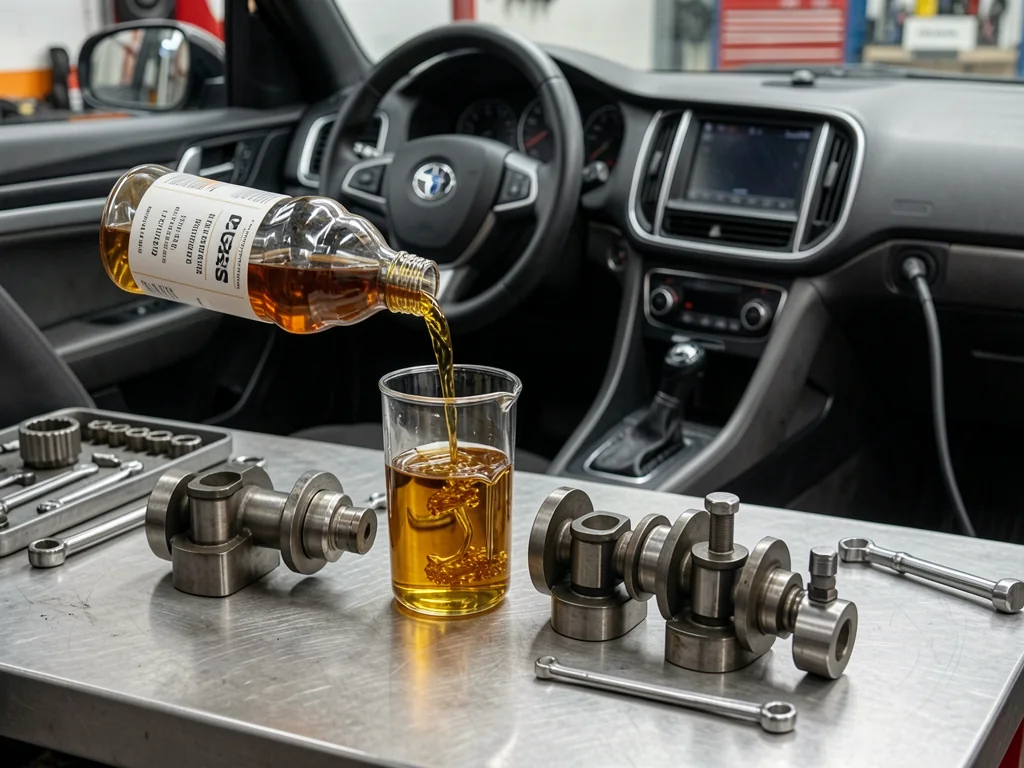
Engine oil high in zinc is often discussed for older and performance engines that use sliding camshaft contacts rather than roller followers. High zinc engine oil typically refers to lubricants formulated with extra zinc dialkyldithiophosphate, an antiwear additive also known as ZDDP. Whether that extra chemistry is appropriate depends on valvetrain design, oil viscosity, phosphorus limits, and catalytic converter equipment, not on zinc content alone.
What Zinc Does in Engine Oil
ZDDP, or zinc dialkyldithiophosphate, is a long-used antiwear additive that also helps control oxidation in crankcase oil. Under heat and load it decomposes at metal-to-metal contacts and forms a sacrificial phosphate film. That film is most useful where sliding pressure is high, including camshaft lobes and the faces of flat tappets or lifters. Without an adequate boundary layer, those parts can polish, score, or lose their designed profile during ordinary operation.
Zinc concentration by itself does not prove an oil is the right choice. Viscosity grade still has to match the engine's temperature range and bearing clearances, and the rest of the additive package must work with the base oil. Required specifications from the vehicle or engine manufacturer remain the first filter. An oil can be relatively high in zinc and still be wrong for a given engine if it fails those viscosity or specification requirements, or if other antiwear chemistry is already doing the job.
Which Engines May Need High Zinc Oil
Some flat-tappet valvetrains place a sliding contact between the camshaft lobe and the lifter face, so they can need more antiwear support than a roller cam. How much they need still depends on camshaft design, valve spring pressure, and how the engine is used. Aggressive lobe profiles and higher spring loads increase contact stress. Engine builders and camshaft manufacturers publish oil guidance for rebuilt and modified engines; that documentation is a better basis for choosing high zinc engine oil than a general reputation for being a classic or a performance mill.
Classic-car age and performance branding alone do not establish a need for engine oil high in zinc. Many later engines use roller followers or already meet their antiwear needs with the oil specified for the vehicle. Engine swaps, aftermarket camshafts, and changes in lifter type can rewrite those requirements, because the valvetrain in the bay may no longer match the original chassis or badge. Identify the actual camshaft and lifter combination, then follow the builder or manufacturer instructions for that hardware.
Why Camshaft Break-In Needs Separate Guidance
A newly installed flat-tappet camshaft and matching lifters often require a dedicated break-in lubricant specified by their manufacturer. Engine break-in oil is formulated for that commissioning stage, when new lobes and lifter faces are establishing a wear pattern under controlled load. The product may use a different antiwear balance than a road-service oil, and it is intended for a defined period rather than as a default forever fill. Using the wrong lubricant during this stage can leave the camshaft underprotected or overstressed.
Break-in oil should not automatically become the engine's regular service oil after the first miles. Once the camshaft manufacturer or engine builder's commissioning steps are complete, the next lubricant is the one they specify for continued operation, which may or may not be a high zinc formulation. Owners should follow those written instructions for both the initial lubricant and the transition to service oil. There is no universal running procedure or change interval that fits every camshaft kit, spring package, and oil viscosity.
How ZDDP Relates to Catalytic Converter Protection
Phosphorus from oil additives, including ZDDP, can reach the exhaust when oil is burned or otherwise consumed. Over time that phosphorus can coat catalyst surfaces and reduce catalytic converter effectiveness. The risk is tied to oil consumption and the formulation in use, not to a single fill instantly ruining the converter. Vehicles with catalyst equipment still need the oil the manufacturer specifies, because those specifications already balance antiwear chemistry against aftertreatment durability.
Before choosing a high zinc formulation, confirm whether the vehicle has a catalytic converter and what oil requirements apply to that engine. Visible exhaust smoke or rising oil consumption is a reason to diagnose leaks, ring sealing, or valve-guide problems; changing zinc content does not fix the consumption that carries additive phosphorus into the exhaust. Converter damage is not immediate or inevitable from every high-ZDDP oil, and emissions equipment should remain in place. Match the lubricant to both the valvetrain and the aftertreatment that is actually installed.
What to Check on the Oil Label and Product Data
Start with the viscosity grade required for the engine and climate, then confirm the listed engine or vehicle specifications. Only after those filters should any documented antiwear or zinc-related requirement be checked. High zinc is not a single standardized suitability claim; published additive concentrations only make sense against the engine's own needs. An oil marketed as engine oil high in zinc can still miss a required specification or use a viscosity that is wrong for bearing oil film and cold starting.
Read the lubricant's stated application. Some products are intended for road use, others for racing, and others only as engine break-in oil. Racing or break-in formulas may omit chemistry needed for street duty or may carry phosphorus levels that conflict with catalyst-equipped vehicles. Adding a separate zinc supplement without explicit builder or manufacturer guidance can upset the intended additive balance. Extra ZDDP does not by itself establish adequate protection if viscosity, detergency, and the rest of the package no longer work as designed.
When Oil Choice Calls for Professional Advice
Useful information to bring to a technician includes engine identity, camshaft and lifter type, modification records, whether a catalytic converter is fitted, and the oil currently in use. Ticking, power loss, and visible metallic debris can have many causes, from valve lash and collapsed lifters to bearing wear. Those symptoms cannot identify a zinc deficiency or confirm camshaft wear on their own. A fault code or noisy valvetrain is evidence to interpret, not proof that the oil's antiwear additives have failed.
Persistent valvetrain noise, suspected wear, or uncertain specifications in a modified engine are reasons for professional evaluation rather than a trial bottle of high zinc engine oil. A shop can inspect the hardware, confirm manufacturer-dependent oil requirements, and separate lubrication issues from mechanical faults. An oil-pressure warning or sudden severe mechanical noise calls for stopping safely and shutting off the engine. Experimenting with oil additives in that moment does not restore film strength and can mask damage that needs immediate diagnosis.