High-Mileage Electric Cars: Battery Life and Buying Checks
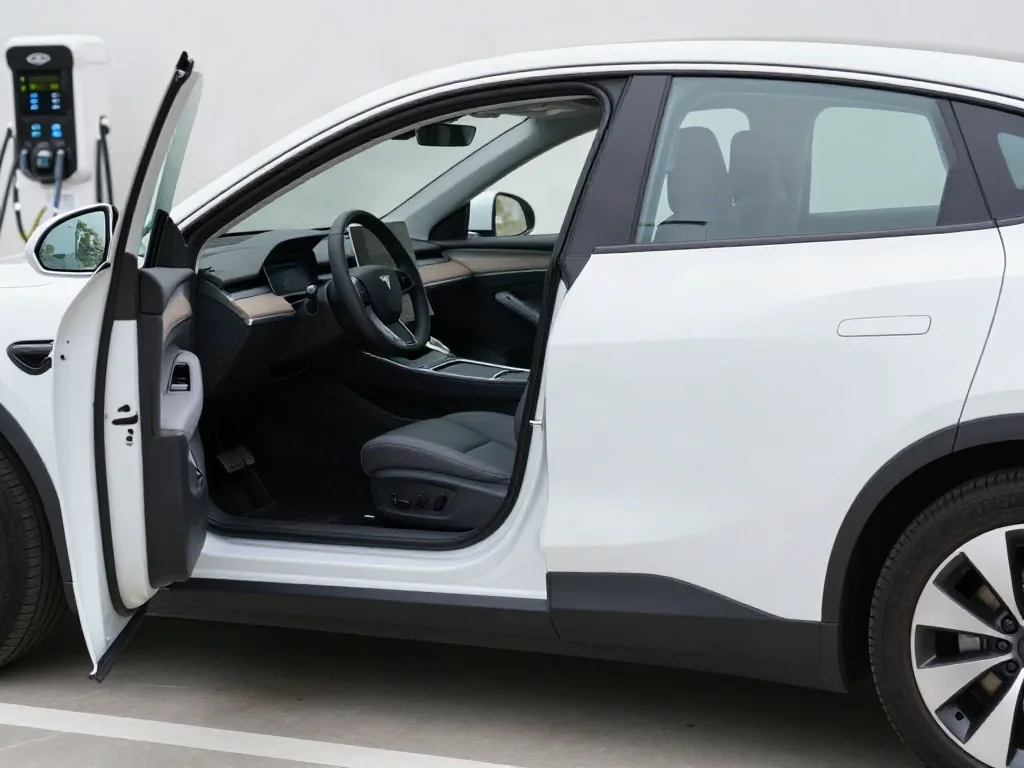
Considering an electric car with high mileage can feel like a leap into the unknown. The odometer may show six figures, but that number alone doesn’t tell you how much life remains in the battery or drive unit. An EV’s true condition emerges from its charging history, climate exposure, and maintenance records. For a buyer, the key is separating accumulated distance from actual wear. This requires specific checks and an understanding of battery health, not just a fear of large numbers.
What a High Odometer Reading Tells You About an EV
There is no fixed mileage where an electric car suddenly becomes unreliable. Some vehicles accumulate extraordinary distances with only routine attention, while others show significant wear far sooner. The condition of any used EV depends on a mix of factors: how many miles it has covered, how many years have passed, where it has been driven, and how consistently it was maintained. A car with 150,000 gentle highway miles in a moderate climate may be in better shape than a city car with half that distance and a history of fast charging in extreme heat.
It is essential to separate the vehicle from its original battery and drive unit. The chassis, interior, and suspension may show their age even when the electric powertrain remains healthy. Conversely, a battery could have lost meaningful capacity while the rest of the car is still tight. Without a proper battery assessment, an odometer reading is just one data point. It cannot reveal how well the high-voltage components have aged or how the car was treated during its previous life.
How to Interpret Highest-Mileage EV Claims
Claims about the highest mileage electric car often circulate without solid proof. An extreme example may genuinely have covered very high distances, but that single vehicle’s history does not establish how long other EVs will last. Before accepting any milestone, you need documented evidence: a clear odometer reading, the date the reading was taken, and identification of the specific vehicle. Without that, numbers can be mistaken, outdated, or even fabricated for attention.
Even with verification, accumulated miles can be misleading. A car may have received a replacement battery or drive unit, meaning the original components are no longer in service. Commercial use, such as taxi or ride-hailing duty, can also distort what the odometer represents. Many hours of idle time with climate control running add no miles but still age the battery. No verifiable record holder exists in the supplied information, so the safest approach is to treat every high-mileage claim as a story requiring evidence.
Battery Degradation and Remaining Usable Range
Battery degradation is a loss of usable capacity, not a sudden failure at a certain mileage. The pace of that loss depends on many variables: how many charge cycles the battery has seen, the age of the cells, the temperatures it has endured, and the charging habits of previous owners. A car that spent years in a hot climate and was regularly charged to 100% on DC fast chargers may have much less usable capacity than a gently used example with fewer miles. There is no reliable rule that says a battery loses a specific percentage per mile.
The dashboard’s range estimate is not a direct measurement of battery health. It is a prediction based on recent driving, outside temperature, and climate-control use. A fully charged car showing 200 miles of range could have a degraded battery or simply be parked on a cold day with the heater running. A proper battery health assessment, often showing an estimated capacity compared to new, is far more useful. Buyers should compare that documented health figure with their own real-world range needs, not with marketing numbers.
Drivetrain and Chassis Wear That Still Matters
Beyond the battery, a high-mileage EV still has mechanical and electrical systems that deserve attention. The electric drive unit and its reduction gearing can wear, producing noise or vibration. The battery cooling system must be checked for leaks and proper function, since overheating shortens cell life. Charging hardware, from the port to the onboard charger, can develop faults that interrupt charging. Even the low-voltage electrical accessories, like the DC-DC converter and cabin heater, matter for daily usability.
Tires, suspension, brakes, and corrosion remain familiar concerns. High mileage means the suspension bushings and dampers may be tired, and regenerative braking may have hidden worn brake components through lack of use. Warning messages, persistent mechanical noises, or charging interruptions should prompt professional evaluation. These symptoms do not automatically prove a component has failed, but they are evidence of a problem. Likewise, a quiet drive does not guarantee that everything is fault-free—some issues hide until specific conditions occur.
Records and Warranty Details to Review Before Buying
Complete records are the best tool for understanding a used EV’s past. Ask for maintenance logs, battery health reports, repair invoices, and any documentation of battery or drive-unit replacement. Check the dates and mileage on those documents. A battery health report from two years ago and 30,000 miles ago says little about today’s usable capacity. Recent, vehicle-specific diagnostics are far more valuable.
Battery warranty coverage depends on the manufacturer and the original sale date. Some warranties cover capacity loss below a certain percentage for a set number of years or miles, while others exclude gradual degradation entirely. Verify whether the warranty transfers to a new owner and what it actually covers. A missing charging history creates real uncertainty, especially for cars that may have been fast-charged frequently. If the battery was replaced, that replacement has its own age, condition, and possibly separate warranty coverage.
A Safe Prepurchase Check for a High-Mileage EV
A prepurchase inspection by a qualified EV technician is the most important step before buying a high-mileage electric car. The technician can access vehicle-supported diagnostics, read any relevant fault codes, and perform a battery health test. These tools show more than a test drive ever could. A fault code is evidence to interpret, not proof that a part must be replaced. Ask for a clear explanation of any stored codes and their likely severity.
During a test drive, pay attention to warning lights, brake feel, unusual vibration, and abnormal sounds. Try the climate control and listen for noisy cooling pumps. With permission, observe a normal charging session; a single successful charge only proves the car can accept power right now, not that the battery is healthy. Stay away from high-voltage components, the battery enclosure, and any damaged orange cables. Visible damage or electrical warnings should be handled only by a professional. Base your decision on documented condition, usable range for your trips, warranty status, and any unresolved repair needs—not on a promise of future durability.