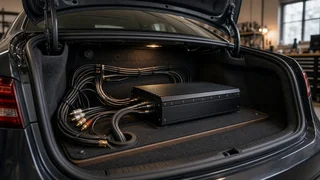
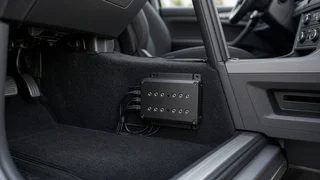
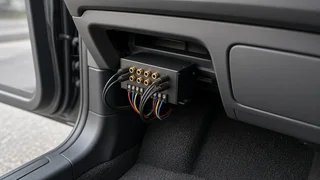
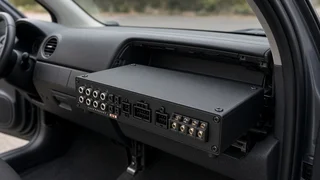
Helix car audio DSP
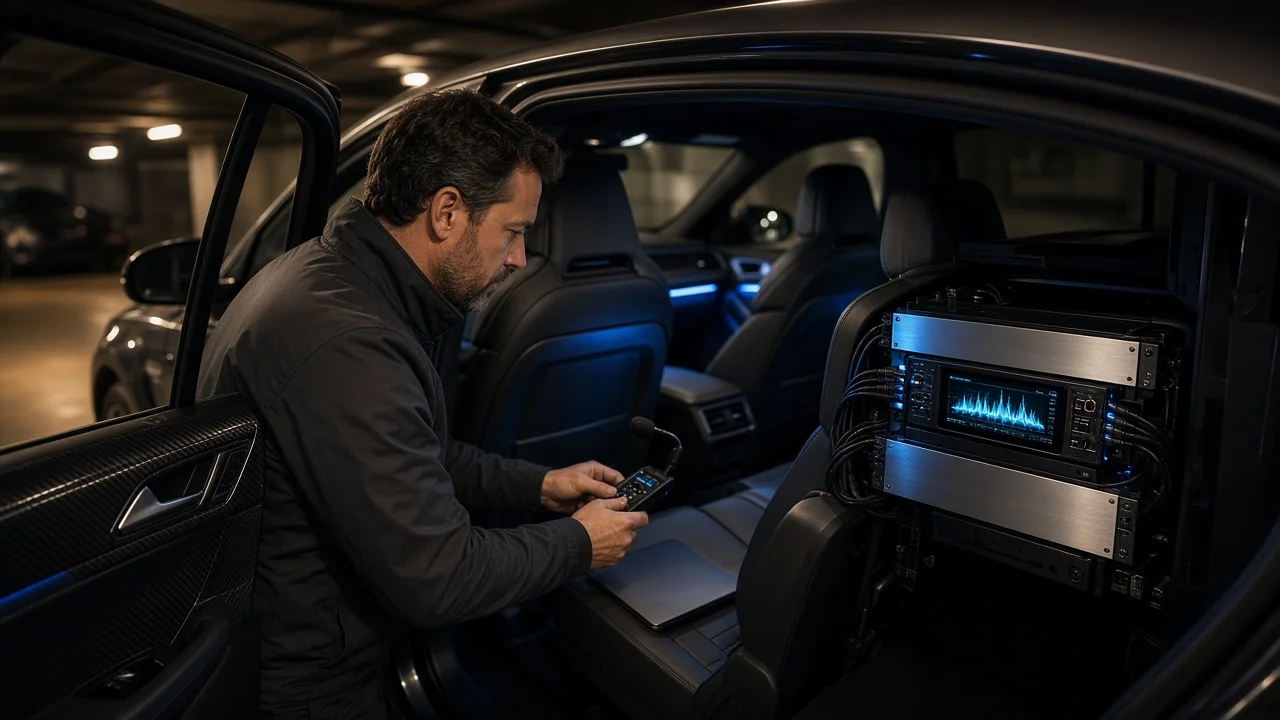
Choosing a Helix car audio DSP means deciding how much control you want over the signal reaching your amplifiers and speakers. The right processor lets you correct acoustic problems in the cabin, blend different speaker sizes, and tune the response far beyond what a typical head unit allows. Before buying, you should check how the DSP will connect to your audio source, what input and output channels it offers, and whether the tuning software fits your installation goals. That preparation helps you avoid spending on processing power you cannot use or a unit that does not integrate cleanly with the vehicle.
The direct answer
A Helix car audio DSP is worth considering when you need detailed equalization, time alignment, and active crossover control in a vehicle audio system. The unit sits between the head unit and amplifiers, converting and processing the audio source before it reaches the speaker wiring. The main condition that changes its value is signal type: some installations require high-level speaker outputs from a factory radio, while others provide clean low-level or digital signals. Matching those inputs to the processor avoids noise, level-matching problems, or limited tuning range.
If you are upgrading a factory system, look for a DSP that supports high-level inputs and vehicle integration features such as signal detection or de-equalization of factory processing. In an aftermarket system with a quality head unit, a digital or low-level input may give the cleanest starting point. Also think about output count before purchase. A processor with enough channels for active front speakers and a subwoofer lets you tune each driver separately, which is often more useful than adding amplifier power alone.