Harley-Davidson Oil Pressure Sensor, Switch and Gauge Explained
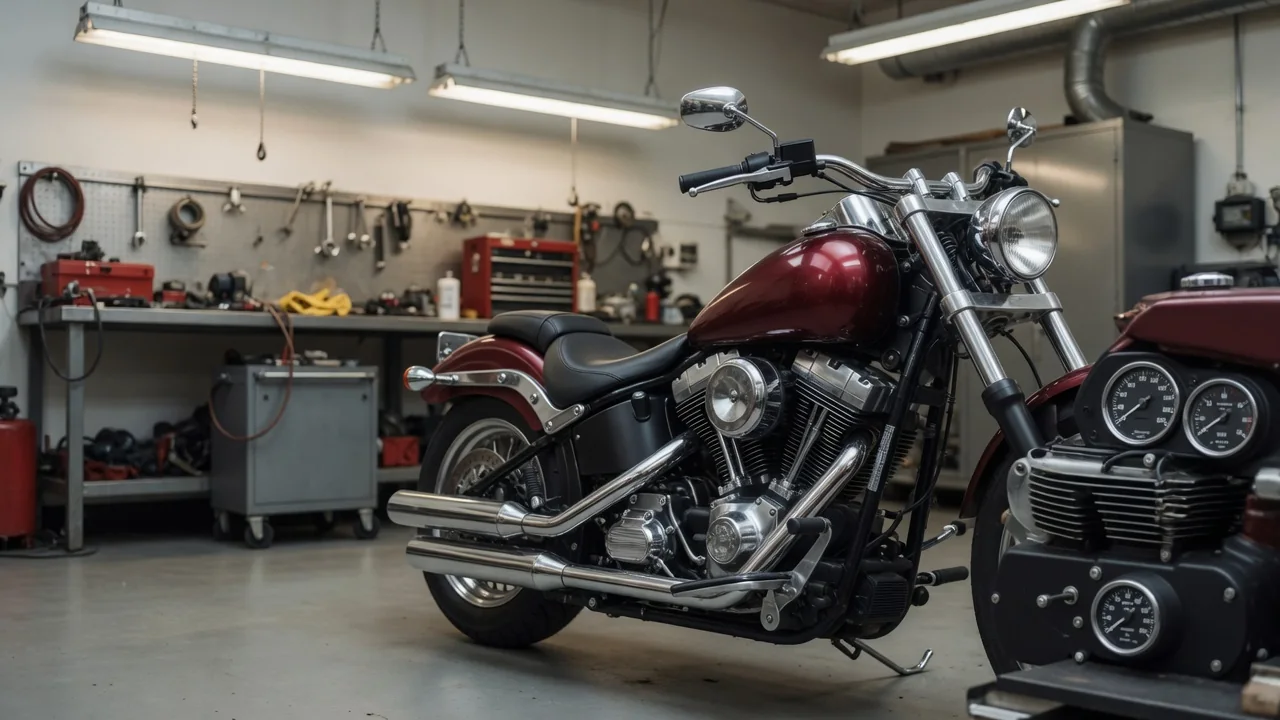
Harley-Davidson oil pressure gauges, sensors, and switches all relate to engine lubrication, but they do not all report the same information. A warning light, an oil pressure sender, and a dashboard or accessory gauge can each behave differently depending on the motorcycle. Identifying the model, year, and engine, then using the applicable service manual, is the starting point for interpreting a light, a reading, or a failed sender.
How the Oil Pressure Switch Controls the Warning Light
On many Harley-Davidson motorcycles, an oil pressure switch is a simple on-off device that grounds or opens a circuit so the oil pressure warning light can illuminate. It is not a measuring instrument and it is not the same as an analog or digital oil pressure gauge for Harley-Davidson. Circuit details vary by year and engine family, so the switch's role must be confirmed in the service information for that motorcycle rather than assumed from another model.
Because the warning light only reports that pressure at the switch port has dropped below the switch's trip point, or that the circuit is closed when it should not be, it cannot establish oil quantity or name the cause. Low oil level, a lubrication-system issue, a wiring fault, or a defective switch can produce a similar lamp. Identify the model, year, and engine, confirm whether the motorcycle uses a switch, a sensor, or both, and treat the light as a prompt to investigate, not as a parts diagnosis.
What the Oil Pressure Sensor or Sender Tells You
Parts catalogs may list an oil pressure sensor, oil pressure sender, or oil pressure switch for Harley-Davidson as if the names were interchangeable. They are not. A switch typically trips a warning lamp. A sender or sensor usually supplies a variable signal so an oil pressure gauge for Harley-Davidson, or an electronic monitor, can display pressure. Before interpreting symptoms or ordering a replacement, establish what the installed component actually does on that motorcycle.
A pressure-sensing component at the engine oil gallery converts pressure into an electrical signal for the applicable display or monitoring circuit. That signal can be interrupted by a poor sender connector, damaged wiring, a failing display, or genuine pressure change. Erratic indications therefore do not confirm a failed Harley-Davidson oil pressure sensor. The sender is one possible source among several, and the actual lubrication pressure still has to be considered separately from the instrument that reports it.
What to Do When the Oil Light Stays On or Flickers
Many Harley-Davidson instrument clusters illuminate the oil pressure warning light during an ignition-on bulb check, then extinguish it after the engine builds pressure. That self-check is not the same as a lamp that comes on, stays on, or flickers while the engine is running. An unexpected running-engine warning, especially with unusual engine noise, is a reason to pull over safely and shut the engine off. Continued riding until the condition is assessed can leave the engine without confirmed lubrication.
With the motorcycle stopped, look for visible leakage, note when the warning appeared, and check oil level using the temperature and motorcycle-position procedure for that model. A flickering lamp at warm idle should not be dismissed as normal or automatically blamed on a bad switch. Warm idle is a low-pressure operating point, so the light may be reporting borderline pressure, aeration, a marginal circuit, or a genuine lubrication concern. The observation belongs in the diagnosis, not in a guess that the switch is simply noisy.
How to Interpret an Oil Pressure Gauge Reading
An oil pressure gauge for Harley-Davidson only makes sense when the reading is tied to oil temperature and engine speed. Cold oil is thicker and often shows higher pressure; as the engine reaches operating temperature, pressure typically falls, and it usually rises again as rpm increases. A number reported without those conditions cannot be compared to a specification. Accessory and factory gauges both need that context before anyone decides whether the indication is low, high, or merely expected for that moment.
Pressure specifications and the test conditions that go with them are specific to the engine and model year. There is no universal Harley-Davidson oil pressure range that applies to every motorcycle. A dashboard or aftermarket oil pressure gauge on a Harley-Davidson is still an indication, not a diagnosis. A low, unstable, or absent reading warrants assessment of the lubrication system, sender, wiring, and gauge compatibility with the signal type, but it does not identify a failed part by itself.
Confirming an Oil Pressure Gauge Fits Your Motorcycle
A listing for an oil pressure gauge for Harley-Davidson must explicitly support the motorcycle's model, year, engine, and the intended pressure connection. A gauge that fits one model year may not match another engine's sender thread, signal type, warning-lamp circuit, or available mounting space. Confirm gauge type, whether a dedicated sender is required, electrical signal where the display is electric, mounting clearance, and whether the factory warning function remains intact after installation. If the listing is silent on any of those items, the gauge is not confirmed for that motorcycle.
Adding a gauge that taps an oil gallery or shares a sender port is not a simple accessory swap when oil connections or electrical circuits are involved. Qualified installation is appropriate so fittings are sealed, routing is secure, and the original oil pressure warning light still operates as designed. After the work, check for leaks at every disturbed joint and confirm that the gauge and warning circuit behave correctly at cranking, idle, and higher rpm before the motorcycle is ridden.
Professional Testing and Sender Replacement
A technician confirms whether the engine has adequate pressure with a mechanical pressure test at the specified port, using the vehicle-specific values and operating conditions in the service manual. That mechanical reading is the reference against which a Harley-Davidson oil pressure sensor, switch, or gauge can be judged. Circuit and sender testing then follows the correct wiring diagram and component procedure. Bypassing warnings, improvised jumper wiring, and pressurized oil-line work are not appropriate diagnostic shortcuts.
If replacement is required, the part must match the motorcycle's application, including switch versus sender function. Replacement should follow the specified sealing method and tightening requirements, with the sender connector inspected for corrosion, spread terminals, or damaged locks before reconnection. After installation, confirm a leak-free joint, correct warning-light or gauge behavior, and that the original symptom is gone. Only then is the motorcycle ready to return to riding; an unresolved lamp or odd reading means the repair is not complete.