Harbor Freight trailer hitch ball
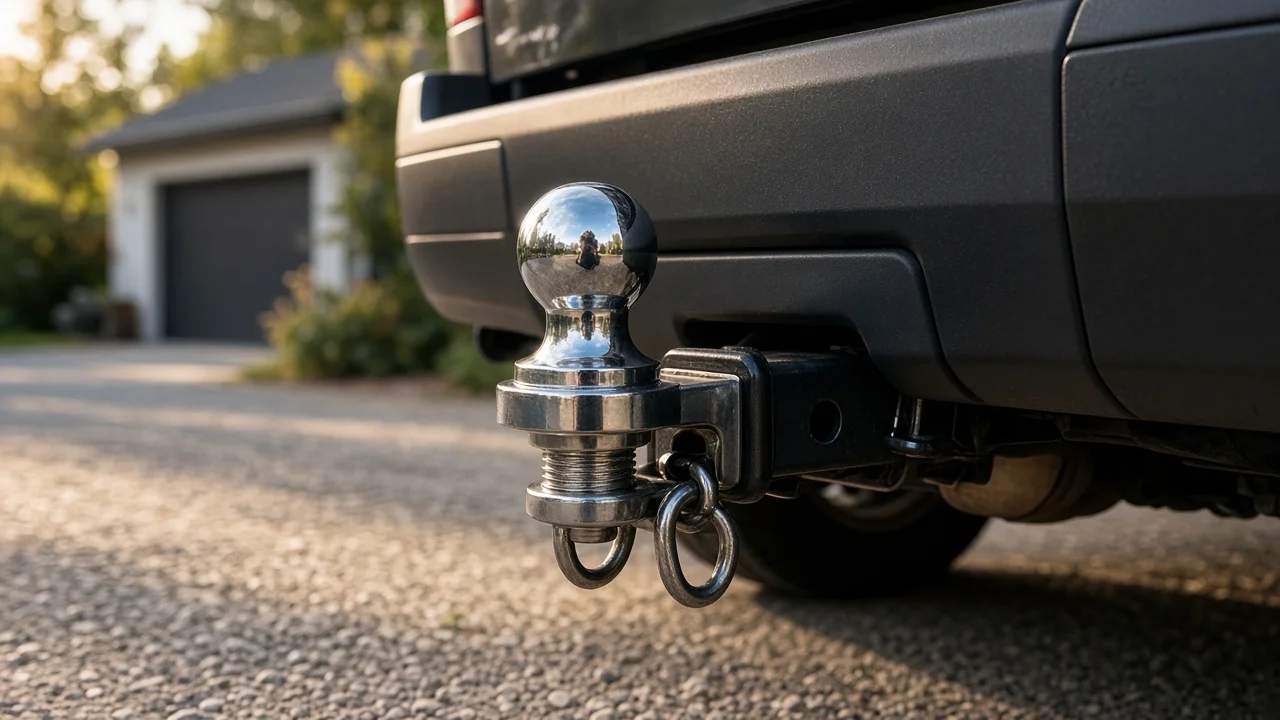
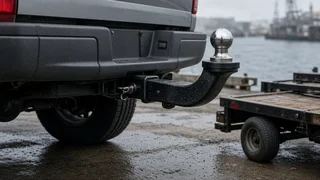
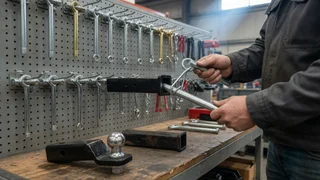
Choosing the right Harbor Freight trailer hitch ball means matching a simple-looking steel component to the trailer coupler, receiver setup, and the loads you actually tow. The decision involves ball diameter, shank size, finish, and ratings. Many shoppers start with price or availability, but a mismatch can create excessive movement, poor load control, or coupler damage. Before buying, check the trailer’s coupler stamping and your drawbar or ball mount holes. A little attention to load ratings and thread size helps you leave with a hitch ball suited to the job rather than one that only looks close enough.
The direct answer
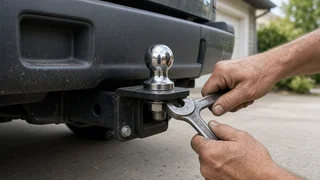
For most standard utility and light boat trailers, a Harbor Freight hitch ball with the diameter stamped on the coupler and a shank that fits the ball mount is the direct solution. Common light-duty options include 1-7/8-inch and 2-inch balls, with 2-inch being the typical choice for many Class I and Class II setups. The immediate purchase should only proceed after confirming the shank diameter and length. A ball that matches the coupler but has an undersized shank can loosen under load, while an overlength shank may bottom against the hitch structure before the nut fully clamps.
The rating must also cover the loaded trailer. A ball rated for 3,500 pounds may work for a small utility trailer, but a heavier enclosed or boat trailer requires a higher-rated 2-inch or 2-5/16-inch ball. Tongue weight matters because the ball supports the downward force of the coupler, not the full trailer weight alone. Use the lower rating among the hitch, ball mount, and ball as your practical limit. If the coupler and shank fit correctly and the rating exceeds actual tongue weight, the Harbor Freight hitch ball is a reasonable purchase for light to moderate towing.