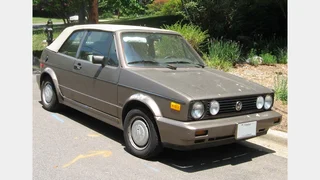
Golf Mk1 Outer CV Joint Removal
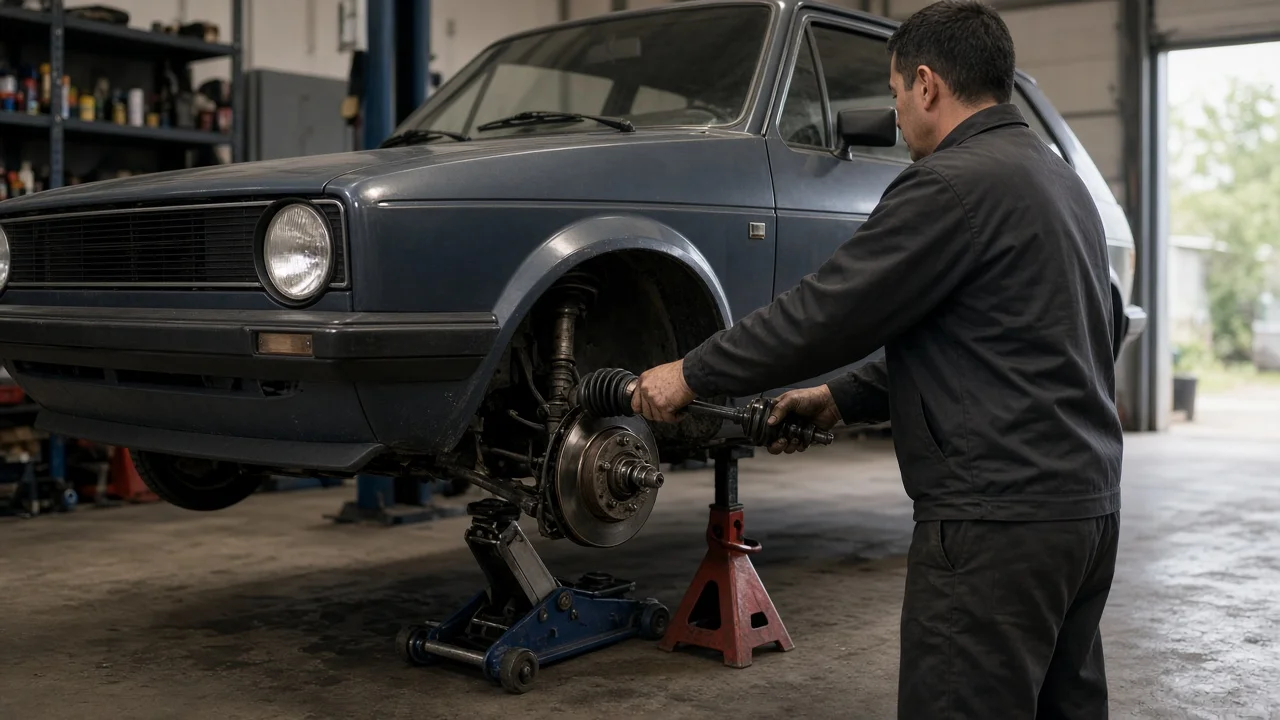
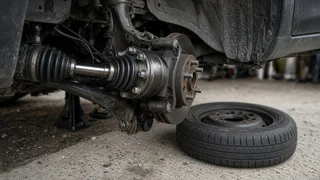
Removing the outer CV joint on a first-generation Golf means separating the joint from the axle shaft so the worn assembly, protective boot, or related driveline hardware can be serviced. The job differs from simply replacing a complete driveshaft because it requires working with a spline fit, a retaining clip, and the tight packaging of an older front-wheel-drive chassis. Understanding how the joint is locked to the shaft, what tools create controlled separation, and why joint articulation matters helps avoid damage to the splines, cage, or transmission-side components during removal.
Essential answer
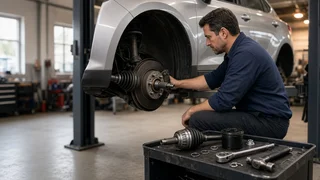
The core task is to release the outer constant velocity joint from the end of the axle shaft without bending the shaft, damaging the spline fit, or sending the joint off uncontrolled. On the Mk1 Golf, the outer joint is typically retained by a circlip or snap ring that sits in a groove on the shaft or inside the joint. A sharp axial slide-hammer action or a carefully applied two-jaw puller is commonly used to overcome the retaining clip after the driveshaft has been unbolted and moved clear of the hub.
Because the outer joint must transmit drivetrain loading while allowing joint articulation during steering and suspension travel, it fits tightly on the machined shaft end. Corrosion, hardened grease, and long service can make the initial separation feel stuck even when the clip is properly released. Supporting the axle shaft, using clean square contact on the joint body, and avoiding hammer blows that travel through the cage and balls are practical precautions that protect the replacement joint and the surrounding driveline components.