GMC Hummer EV Range: Pickup, SUV, Towing and Real-World Miles
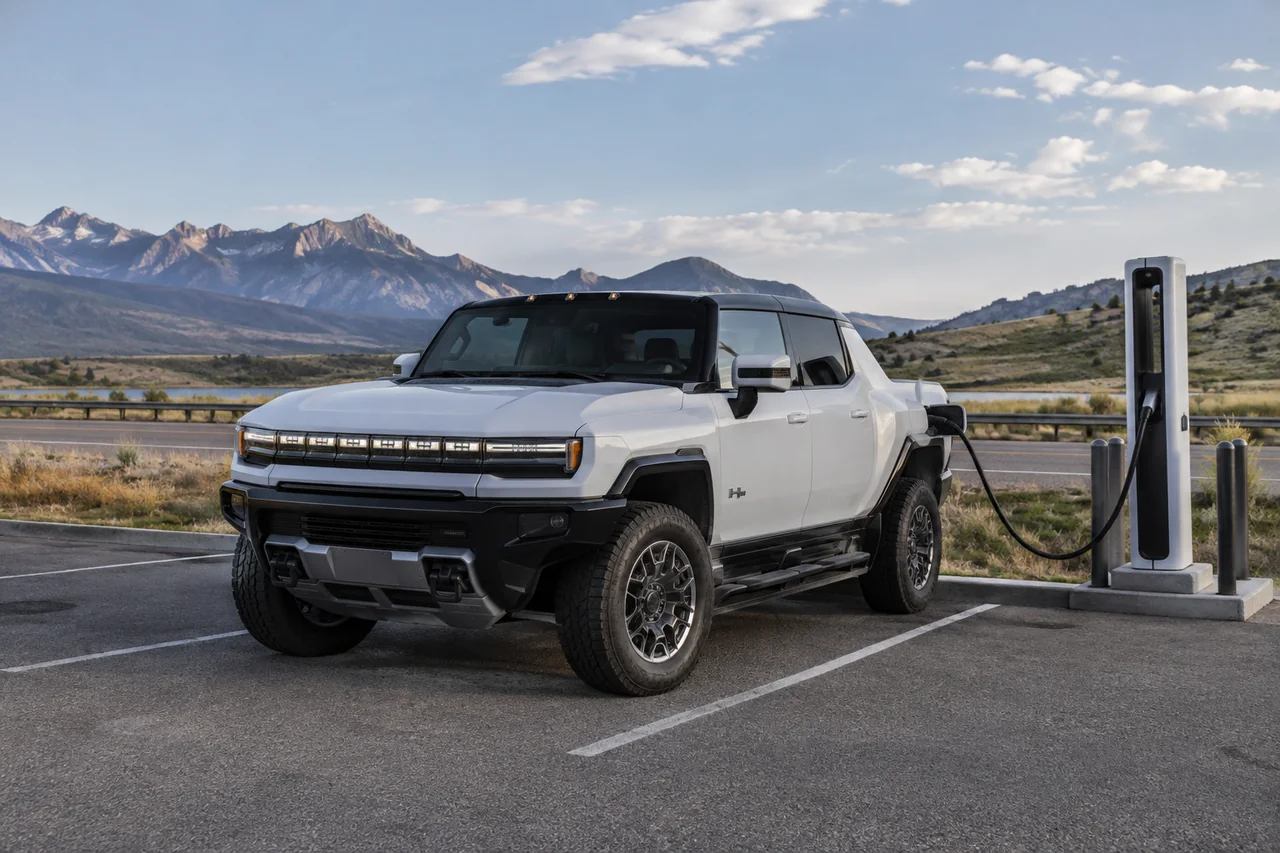
Range is one of the first things shoppers ask about the GMC Hummer EV, yet a single number rarely tells the whole story. The pickup and SUV have been sold in several trims and battery configurations, and each combination can carry its own estimate. Trip planning gets much more predictable once you know how those estimates are built, how driving and towing change them, and how to check the rating for a specific vehicle.
Understanding Hummer EV Miles on a Full Charge
A Hummer EV range number only means something when it is tied to a complete configuration. Model year matters because battery options and trim availability have changed over time. Body style matters because the pickup and SUV differ in length, weight and aerodynamics. Trim determines motor layout and standard equipment, battery configuration sets how much energy is on board, and wheel and tire packages change rolling resistance and drag. Large off-road tires can reduce efficiency compared with smaller tires built for street driving.
Every published figure also has a rating basis. Some are manufacturer estimates, while others are EPA ratings from a standardized test cycle, and not every configuration necessarily has its own EPA label. Rated range, the dashboard prediction and the miles you actually drive are three different measurements. A rating describes a full battery used down to empty, but road trips rarely use that whole window. Fast-charging stops usually run between partial charge levels, and drivers still need a sensible reserve when they arrive.
Pickup Range by Model Year, Trim and Battery Option
The pickup has the longest production history of the two body styles, and its published range differs from one model year to the next. A reliable figure names its exact year, trim and battery option, such as an Edition 1 truck in the years that edition was built or a later 2X or 3X. Because trims were not all offered every year, a number published for one trim and year should never be carried over to another without confirmation.
Battery options add another layer. Some advertised range figures depend on a specific battery package or wheel choice, so the fine print attached to the number matters. A battery option's name does not reveal its usable capacity, so don't guess kilowatt-hours from marketing terms. For current-model questions, label the answer clearly as 2026 and use only the figure published for that exact configuration. If GMC has not published a number for a given combination, treat that range as unconfirmed rather than borrowing an estimate from a nearby trim.
SUV Range for 2024, 2025 and 2026 Configurations
The Hummer EV SUV arrived after the pickup, so its range history covers the 2024, 2025 and 2026 model years. It uses a shorter wheelbase and a different body, which means its efficiency and battery options have to be evaluated on their own terms. A range figure for a 2024 SUV 3X applies only to the battery and package combination it was published for. General questions about SUV 3X range need a model year before any number can be applied with confidence.
Before relying on an advertised estimate for a particular SUV, check its trim, the battery configuration on the build sheet, the wheel and tire size, and any off-road package that adds larger tires or accessories. Pickup figures should never stand in for SUV figures, even when the trim names match, because the vehicles differ in size, weight and shape. When a given SUV configuration has no published rating, the honest answer is that its range has not been established.
What Real-World Range Tests Can Tell You
Real-world tests are only useful when their details are reported. A credible result names the model year, body style, trim, battery configuration and tires, then describes the route, average speed and weather. It should also give the starting and ending charge levels. A drive from a full battery down to a low percentage measures actual distance. Any figure scaled up from that to a full battery is an extrapolation and should be labeled as one. Without these details, a result is an anecdote, not data.
In a vehicle this large and heavy, energy use rises noticeably at sustained highway speeds because aerodynamic drag climbs steeply as speed increases. Cold weather reduces battery efficiency and adds heating loads for the cabin and battery. Headwinds add drag, and long climbs draw heavily on the pack, though regeneration recovers some energy on the way down. To estimate a practical leg, compare recent consumption on the trip computer with the remaining charge and keep a reserve. Recalculate whenever speed, temperature or terrain changes.
Planning Hummer EV Range While Towing
Towing changes the range picture more than almost any other factor, but how much depends heavily on the trailer. A tall, flat-fronted camper creates far more drag than a low open utility trailer, and at highway speed frontal area often matters more than weight. Load, speed, hills, wind and temperature add to the effect. A towing test is only meaningful when it identifies the Hummer configuration, trailer type and weight, route, conditions and charge window, so no single result sets a universal reduction.
Plan shorter charging legs based on the consumption you observe early in the trip, not on the unhitched estimate. Keep a larger arrival reserve before remote stretches where chargers are sparse or may be occupied. Many fast-charging stalls are designed for nose-in parking, which can force you to unhitch, so it's worth finding pull-through locations ahead of time. Keep in mind that towing capacity describes how much weight the truck can pull, not how far it can pull that weight on one charge.
Range Extenders and Extended-Range Battery Questions
Questions about a Hummer EV range extender usually mean one of three things: a larger factory battery option, an onboard generator that recharges the pack while driving, or ways to make the existing charge last longer. These are very different. The Hummer EV is a battery-electric vehicle, so don't assume it has an onboard generator. Confirm with GMC or the vehicle's documentation whether any range-extender system exists for a specific model year. Where GMC uses extended-range wording for a battery option, it refers to battery equipment, not a generator.
Extended-range battery wording also does not mean an existing vehicle can be upgraded to that pack. Swapping in a different battery involves high-voltage systems, software and structural integration, so treat outside compatibility claims with skepticism. High-voltage modifications and generator hookups are unsafe for owners to attempt. Real gains come from supported measures: preconditioning the cabin and battery while plugged in, keeping highway speeds moderate, maintaining recommended tire pressures, using any efficiency-oriented drive settings the vehicle offers, and planning charging stops so the battery never runs critically low.
Checking the Price of a Specific Range Configuration
Searches that pair range with price usually come from shoppers trying to learn what a given range will cost. The answer depends on the exact model year, body style, trim, battery option and equipment of the vehicle in question. An advertised starting price usually applies to the least expensive configuration, which may not be the one behind a headline range figure. Higher range can require a particular trim, battery package or option group, so only compare prices between identically equipped vehicles.
A dated written quote should list the base price, destination charge, individual options and packages, taxes, registration and dealer fees, since each one affects the final amount. To confirm a listed vehicle's range, check its window sticker, build sheet or VIN-based configuration records instead of relying on a broad trim label that may cover more than one battery setup. If a used listing lacks these records, ask the seller or a GMC dealer to decode the VIN before trusting the advertised range.