GM 3.6 V6 Timing Chain Marks, Diagrams, Kits, and Replacement Cost
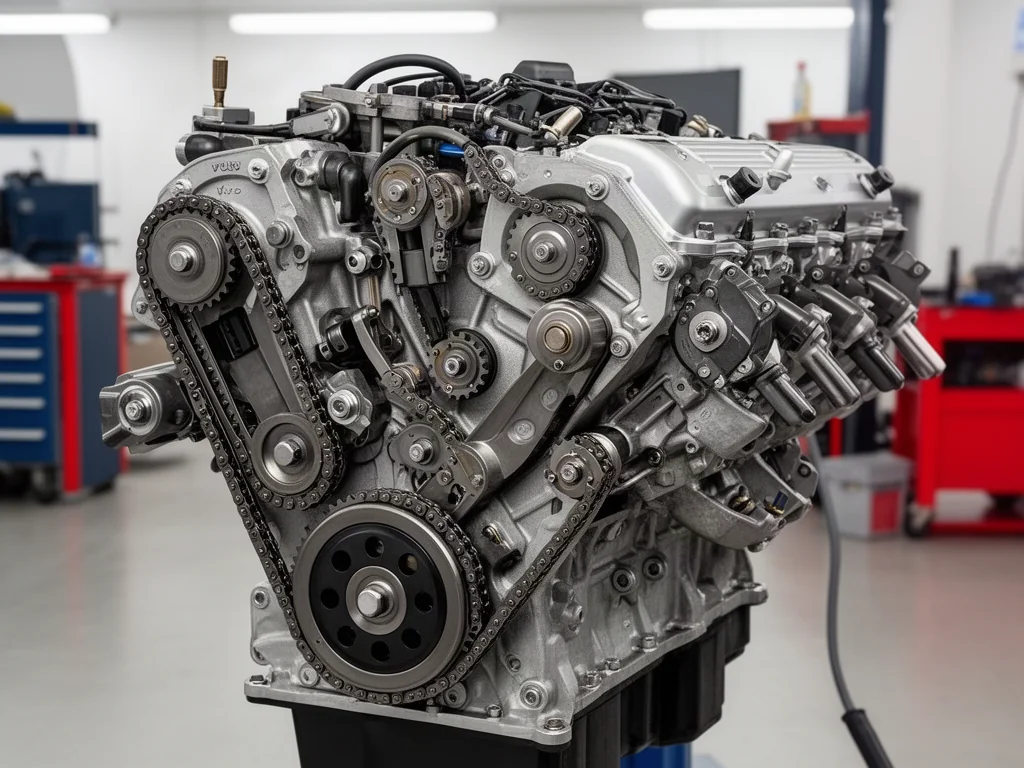
Owners searching a diagram of GM 3.6 timing chain marks need more than a generic 3.6 GM timing chain picture. This engine-level guide covers LY7, LLT, and LFX applications, including Cadillac CTS vehicles, so you can match camshaft timing information, kit contents, and a parts and labor estimate to the engine actually installed. A GM 3.6 timing chain job is application-specific; confirmation of engine identification comes before any diagram, kit, or cost discussion.
Identify the GM 3.6 Engine Before Selecting Timing Information
This guide addresses GM 3.6 V6 engines coded LY7, LLT, and LFX, including Cadillac CTS models that used those powerplants. Model year, VIN-derived engine identification, and the stamped or labeled engine code are the practical starting points for selecting service information. Displacement alone is not enough, because more than one 3.6 architecture and revision exists in GM passenger cars. If the engine was replaced, confirm the installed engine physically before using any timing diagram, because the original build record may no longer apply.
A 3.6 label on a timing cover or under-hood sticker cannot establish the correct timing marks diagram, replacement kit, or labor estimate. Camshaft actuators, chain routing, and service procedures differ among LY7, LLT, and LFX families, and even similar-looking engines can require different sprockets and fasteners. When replacement history is uncertain, identify the installed engine from tags, casting marks, and records rather than assuming the factory combination. Using the wrong diagram or kit after a prior engine swap often produces misordered parts and an unreliable Cadillac CTS timing chain replacement cost discussion.
Read a Timing Marks Diagram for the Confirmed Engine
Once the engine is confirmed, use a verified diagram for that exact application before interpreting any timing marks. A useful diagram of GM 3.6 timing chain marks identifies the crankshaft sprocket, camshaft sprockets, chain path around each bank, reference marks, and any designated chain links called out in the service information. Bank labels and the stated viewing direction matter; a drawing made from the front of the engine will not match a photograph taken from another angle. Reading the diagram is an orientation step, not a substitute for the manufacturer alignment procedure.
Colored chain links, when present, are only visual aids on a new chain and cannot by themselves prove correct mechanical timing. A photo of marks on the timing cover or sprockets likewise cannot confirm internal alignment of the cams to the crank. Engine positioning, timing cover removal, and actual alignment belong to a qualified technician following the applicable service procedure for that LY7, LLT, or LFX application. Obtain the right diagram and treat it as orientation, not as proof that a GM 3.6 timing chain is correctly timed.
Understand Symptoms and the Limits of Timing Chain Diagnosis
Unusual engine noise, rough running, hard starting, and warning lights can justify inspection of a 3.6 GM timing chain system, but none of those complaints prove the chain has failed. Oil condition, oil pressure, camshaft control faults, and unrelated engine problems can produce similar symptoms. A rattle at cold start, a camshaft-related message, or a stored code is evidence to interpret, not a parts list. Record when the noise occurs, what messages appear, recent repairs, and oil-change history so a technician can compare those notes with live data and mechanical tests.
Manufacturer-dependent diagnostic codes require vehicle-specific confirmation of meaning before anyone treats them as a timing-chain verdict. Professional testing then has to establish whether slack, a worn guide, a weak tensioner, a camshaft actuator, or a different subsystem is responsible. If an oil-pressure warning appears, mechanical noise becomes severe, or running problems feel unsafe, shut the engine off when it is safe and arrange assistance. Diagnosis belongs in a shop with the correct information for that engine, not in a roadside teardown.
Check What the Timing Chain Kit and Repair Include
A GM 3.6 timing chain kit is a commercial bundle, not a defined engineering package. Chains transfer rotation from the crankshaft sprocket to the camshafts; timing chain guides control the path; chain tensioners take up slack. The word kit does not tell you which of those parts are included, whether both banks are covered, or whether camshaft actuators, sprockets, seals, gaskets, and procedure-required fasteners are in the box. Fitment must be confirmed against the exact engine and vehicle application, because LY7, LLT, and LFX hardware is not interchangeable by displacement label.
Ask the estimate to separate required chain work, items that depend on inspection findings, and optional recommendations such as actuator replacement when wear is found. Sprockets, camshaft actuators, the timing cover gasket set, and one-time fasteners may be billed separately even when a kit is listed. After assembly, a shop should verify camshaft timing with the applicable procedure and complete post-repair checks for leaks, oil pressure, and stored faults. Those verification steps belong to trained technicians using the applicable procedure, not to a general description of lock-down or chain-routing methods that can damage valves if performed incorrectly.
Understand the GM 3.6 Timing Chain Replacement Estimate
A GM 3.6 timing chain replacement cost is not a single figure. Vehicle packaging, how much accessory and cover work is required for access, local labor rates, and the confirmed repair scope all move the total. Front-wheel-drive and rear-wheel-drive layouts, transverse versus longitudinal mounting, and extra equipment around the timing cover change the hours even when the engine family is the same. The written estimate should reflect the identified engine and the work the shop actually intends to perform, not a generic 3.6 GM timing chain price copied from another vehicle.
Separate diagnosis, labor, chain and related parts, sealing materials, fluids, taxes, and shop fees so you can see what is included. If inspection finds a damaged guide, stretched chain, failed tensioner, or extra wear, the shop should issue a revised estimate rather than silently expanding the job. Ask which parts numbers match the engine identification, what the kit contains, what the repair warranty covers, and how additional work will be approved. A meaningful written estimate requires that application data; a universal quote does not.
Get a Cadillac CTS Estimate for the Correct 3.6 Application
Timing chain replacement cost on a Cadillac CTS cannot be discussed usefully from the model name alone. Provide the CTS model year, confirmed 3.6 engine identification, and relevant configuration such as drivetrain and any known engine replacement before comparing quotes. Different years used different 3.6 codes, and a CTS badge does not establish which kit, service procedure, or labor allowance applies. Ask whether the quote includes diagnosis, the specified chain components, sealing work at the timing cover, fluids, and final timing verification, or whether those items appear later as extras.
Diagnostic findings and any prior engine swap affect how reliable a Cadillac CTS timing chain replacement cost figure will be. An estimate written before the chain is exposed is a planning number; findings after the timing cover is off can add guides, tensioners, actuators, or sealing parts. Before approving work, document the reported symptoms, the shop's written findings, an authorization limit for additional discoveries, and the warranty terms on parts and labor. That paper trail keeps the Cadillac CTS job tied to the confirmed 3.6 application instead of a generic replacement-cost conversation.