G-Body Hood Interchange: What Fits, What Doesn't and How to Check
The Short Answer
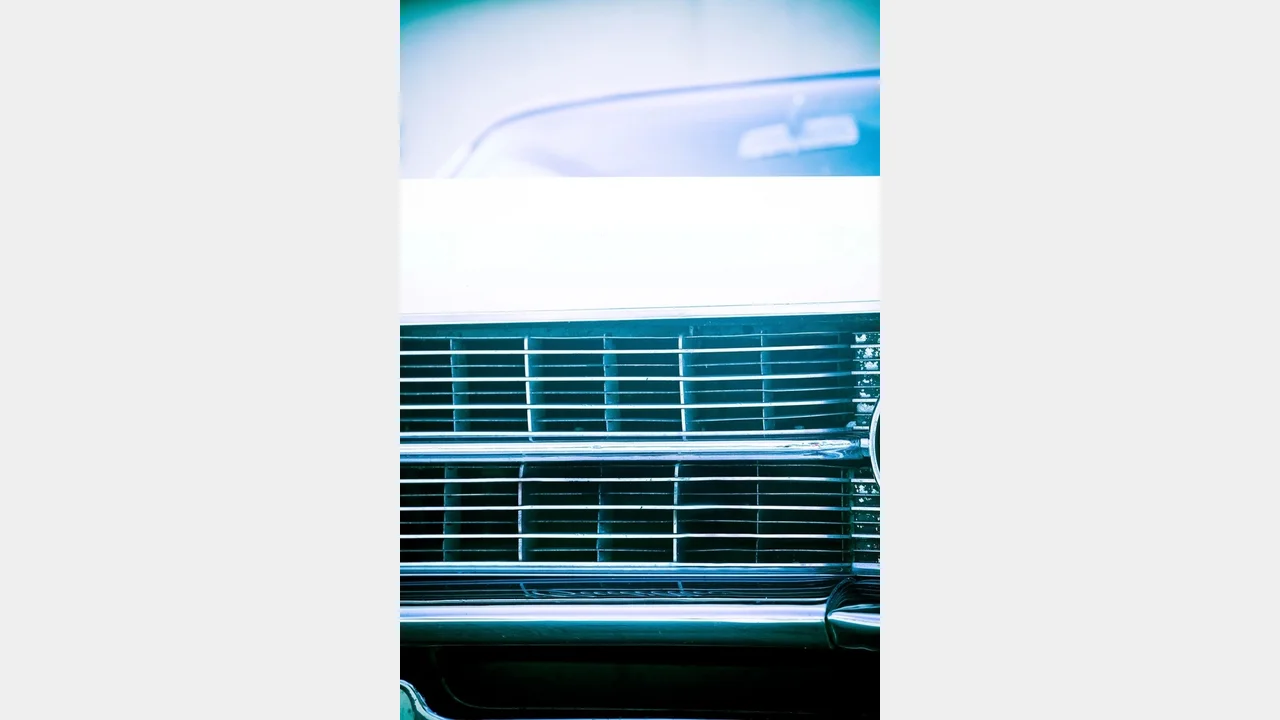
G-body hoods are not universal across the platform. The cars share a common cowl and body structure, but each make (Chevrolet, Pontiac, Oldsmobile and Buick) has its own front sheet metal: fenders, header panel, grille and nose. Because the hood has to match those parts, a hood generally swaps cleanly only between cars with the same front-end design. In practice that means the same model line within the same styling period, or closely related twins such as the El Camino and GMC Caballero. Putting a Cutlass hood on a Monte Carlo, for example, is not a bolt-on job unless the front clip is changed to match.
Hinges, latch hardware and other parts tied to the shared cowl and core support are more likely to interchange across makes than the hood panel itself. Treat any cross-make swap as a case-by-case fitment question, not a given.
Which Cars Count as G-Bodies
GM's mid-size rear-wheel-drive cars from 1978 onward were originally called A-bodies. GM renamed them G-bodies for 1982, when the front-wheel-drive A-body (Celebrity, Ciera, Century, 6000) arrived. Enthusiasts usually use "G-body" for the whole 1978-and-later rear-drive family. The front-wheel-drive A-body cars are a different platform, and their hoods are not part of this interchange.
Make | Common G-body models (US market); Chevrolet | Monte Carlo, Malibu, El Camino; GMC | Caballero; Pontiac | Grand Prix, LeMans, Bonneville (G-body era); Oldsmobile | Cutlass Supreme and related Cutlass coupes and sedans, including 442 and Hurst/Olds versions; Buick | Regal (including T-Type, Grand National and GNX), Century (rear-drive years)
Production years, body styles and nameplates shifted during the platform's run. Confirm the exact year and body style of both the donor car and your own car before assuming two hoods match.
What Is Shared and What Differs
Component | Interchange outlook | Why; Hood panel | Usually limited to the same model and styling period | Length, front-edge shape and fender-line contours follow each make's front clip; Hood hinges | Often shared across the platform | They mount to the common cowl/fender structure, but confirm by year; Hood latch and striker | Varies | Latch position depends on the core support and header panel design; Fenders, header panel, grille | Make-specific | These define each car's front-end styling; Hood insulation pad | Follows the hood's inner bracing | Fits only hoods with matching inner structure; Cowl seal and weatherstrip | Often similar across the platform | Tied to the shared cowl area
Interchange Within the Same Model Line
The most reliable swaps are between cars of the same model whose front-end styling did not change. Several G-body lines were restyled partway through production, typically around the 1981 model year for the personal-luxury coupes and somewhat later for the Malibu and El Camino. A hood from before a restyle may not match fenders and header panels from after it, even on the same nameplate.
El Camino and GMC Caballero front sheet metal is generally treated as interchangeable within the same years. The El Camino and Malibu also shared front-end styling for parts of their runs. That makes those hoods candidates for interchange when the years and front-end design line up.
Trim-specific front ends add another variable. Performance and appearance packages such as the Monte Carlo SS, Cutlass 442 and Hurst/Olds, and turbocharged Regals sometimes used unique noses, hoods or both. If either car carries one of these packages, compare the actual hood and front clip rather than relying on the base model's fitment.
Cross-Make Swaps
A hood from a different make rarely drops onto the original front sheet metal correctly. Even when the hinge mounting lines up, the hood's front edge, side profile and gaps to the fenders and header panel are shaped for its original front clip. The usual result is uneven gaps, poor contour matching or a hood that won't latch.
Owners who want a different make's look typically swap the whole front clip: hood, fenders, header panel, grille, bumper and the related brackets and lighting. This is a recognized G-body modification because the underlying structure is shared, but it is a larger project than a hood swap. Expect to deal with wiring for lamps, bumper mounting differences and alignment of every panel.
Raised, Bulged and Aftermarket Hoods
Some G-body hoods are sought after for their shape. Later turbocharged Regals, including the Grand National and T-Type, used a hood with a raised bulge. Owners of other Regals of the same front-end design sometimes fit one for clearance or appearance. Because these hoods were built for the Regal front clip, they are most straightforward on Regals of matching years.
Aftermarket hoods in fiberglass, carbon fiber or steel, offered in cowl-induction, ram-air and flat styles, are normally sold for a specific model and year range. Treat that application as the fitment limit, not the whole G-body platform. Lightweight composite hoods may also need different mounting provisions, such as hood pins, instead of or alongside the factory latch, depending on the design and intended use.
Clearance Considerations
Hood interchange is not only about fitting the body. An engine swap, taller intake manifold, aftermarket air cleaner or turbo setup may hit the underside of a flat hood or its inner bracing. A raised hood can solve that, but check the clearance with the actual engine combination. Inner bracing patterns differ between hoods, so a hood that clears one setup may not clear another.
How to Check Fit Before Buying
Identify both cars by year, make, model, body style and any special package, since restyles and trim packages change the front end. Compare the hood's front-edge shape and side contour with your fenders and header panel, or with a photo of a known-matching car. Check that the hinge mounting points on the donor hood line up with your hinges. Confirm the latch or striker location matches your core support and latch assembly. Look at the inner bracing for clearance over your engine, air cleaner and intake. Inspect used hoods for bent hinge mounts, rust along the front edge and seams, cracked inner bracing and previous repairs. If you're buying from a parts car, ask whether it still has its original front sheet metal, since front clips are sometimes swapped between models. Use a parts interchange reference or the seller's fitment listing as a starting point, then verify physically wherever possible.
Installation and Alignment Notes
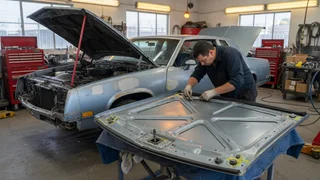
Hood installation on these cars normally means bolting the hood to the hinges, then adjusting fore-aft and side-to-side position at the hinge slots. Height is set at the rear through the hinge position and at the front through the adjustable bumpers and latch. Mark the hinge positions before removing the old hood, have a helper support the panel, and tighten bolts gradually while checking gaps on both sides.
If a donor hood fits but the gaps won't come even after adjustment, the cause may be a different-design hood, a bent hinge, or worn or mismatched front sheet metal on either car. Sort out the cause before drilling, slotting or bending parts to force the fit.
Bottom Line
Shop for a G-body hood by matching the model line, styling period and any special trim package, not just the platform name. Within those limits, hoods generally swap with ordinary adjustment. Across makes or restyles, plan on a front clip swap or careful verification, because the shared cowl and hinges don't make the hood panels themselves interchangeable.