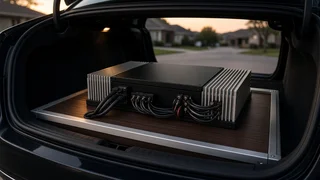
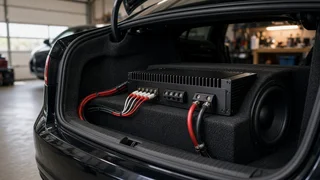
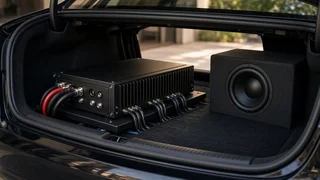
Fusion car audio amplifier
Shopping for a Fusion car audio amplifier usually means matching an external power stage to a head unit, existing speaker wiring, and the way the vehicle is actually driven. The right choice can remove the thin, strained output of a factory source and add clean headroom at highway speed. But an amplifier is never a stand-alone fix. Its value depends on signal voltage from the audio source, impedance of the connected speakers, available current, and how neatly it integrates with the rest of the cabin electronics. A practical purchase starts with those electrical and fitment details, not just peak wattage on a box.
The direct answer
The immediate answer is that a Fusion car audio amplifier should be selected by confirming it matches the head unit’s preamp or speaker-level output, the speaker load it will drive, and the vehicle’s charging-system capacity. Power ratings only tell part of the story. A two-ohm stable amplifier may be appropriate for a low-impedance subwoofer stage, while a four-channel unit works better when the goal is cleaner front-stage control. Checking those compatibility points before purchase prevents an amplifier from becoming the reason the system shuts down, overheats, or distorts at moderate volume.
There is no single best amplifier until the rest of the audio chain is defined. If the source is a factory radio without RCA pre-outs, the amplifier needs speaker-level inputs or a separate integration device. If long speaker wiring carries full-range signal to multiple locations, a crossover section matters as much as rated output. The purchase should also account for mounting space, airflow, and the condition of vehicle integration points such as the antenna and ground path. Choosing around those operating conditions is more useful than comparing only maximum power numbers.