Fuel Stabilizer for Car Storage: When and How to Use It
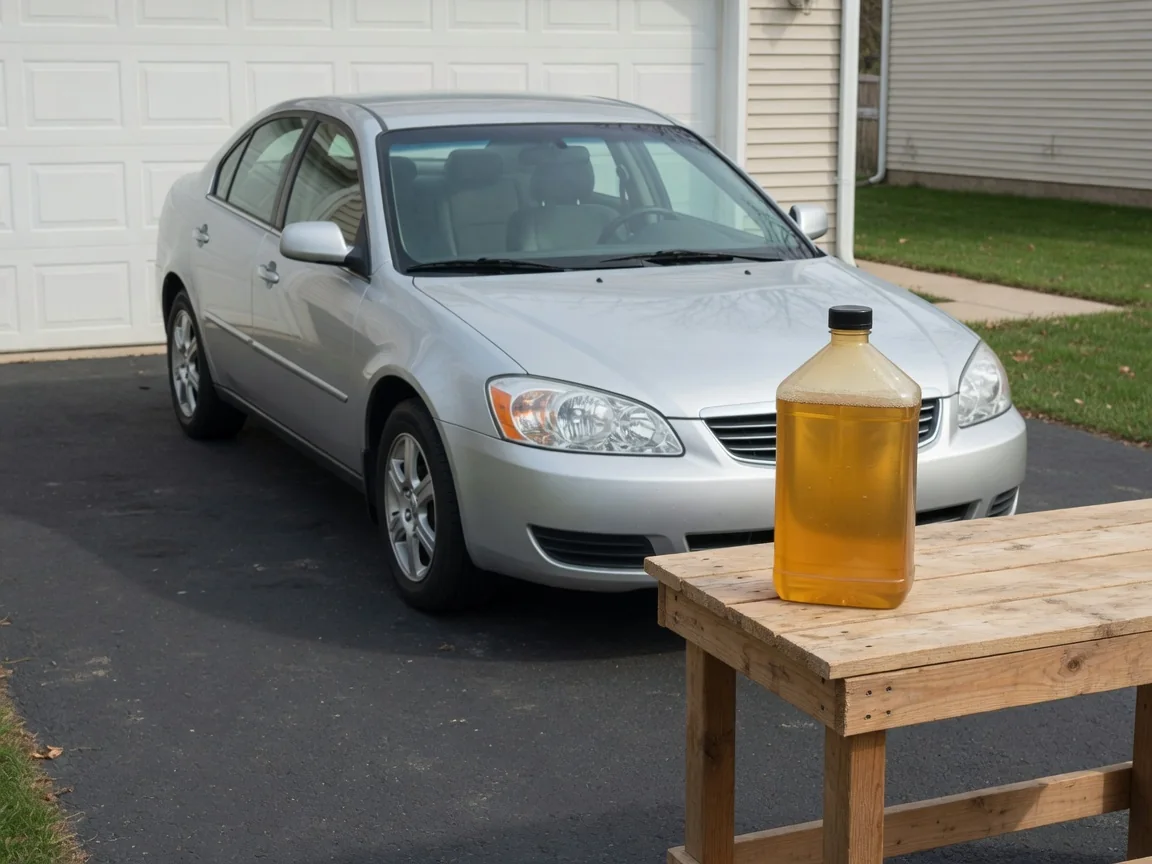
A car storage fuel stabilizer is used to help keep gasoline in better condition when a vehicle will sit unused. Stored gasoline can lose fuel freshness through oxidation, evaporation of light components, and moisture contamination, especially with ethanol-blended fuel. Treatment is one part of storage preparation, not a complete storage plan. Product dosage, fuel circulation, and storage conditions all affect whether treated fuel remains useful until the car is driven again.
When a Stored Car May Need Fuel Stabilizer
Whether a stored car needs a fuel stabilizer for car storage depends on how long the vehicle will sit, how old the gasoline already is, and the storage conditions it will face. Fuel that has been in the tank for a while may already be less fresh than a recent fill. Heat, humidity, and large temperature swings can speed deterioration. A short indoor stay in mild weather may not present the same risk as months in a damp or hot space. Check both the vehicle's storage guidance and the stabilizer label before choosing a product or a treatment schedule.
Stabilizer addresses fuel preservation only. It does not replace tire support, battery care, pest prevention, or the other steps a manufacturer may list for putting a car away. If the owner's manual describes a storage procedure, follow that sequence and treat the additive as one item within it. When the fuel is already stale, water-contaminated, or of unknown age, adding product is not a substitute for deciding whether the gasoline should be used at all. Confirm the intended storage period against both documents before treating.
Why Fuel Deteriorates During Storage
Gasoline in a parked vehicle is not a sealed, unchanging liquid. Fuel oxidation reacts hydrocarbons with oxygen in the tank headspace and can form gums and deposits that later interfere with injectors, carburetors, or filters. At the same time, the most volatile components evaporate, which can make stored gasoline harder to ignite and less able to support smooth combustion. Those changes do not prove a particular part has failed, but they can contribute to hard starting and uneven running when the car is returned to service.
Temperature, air exposure, and moisture all influence how quickly quality declines, so there is no universal expiration date that applies to every tank. Warm storage accelerates chemical change; a partly filled tank exposes more fuel surface to air; condensation can introduce water. Ethanol-blended fuel can absorb that water. If enough moisture contamination accumulates, the blend can undergo phase separation, leaving a water-rich layer that engines are not designed to burn. That outcome is possible, not inevitable, and depends on water ingress and storage conditions rather than calendar time alone.
What Fuel Stabilizer Can Preserve
When mixed into gasoline that is still usable, a suitable fuel stabilizer can slow certain degradation processes. Antioxidant and related chemistry is intended to delay fuel oxidation and help retain more of the fuel's original character during the storage window stated on the label. The product does not reverse aging that has already occurred. Lost volatility, existing gums, and water already in the tank remain. Treatment also cannot reliably correct moisture contamination or reverse phase separation once those problems are present.
Confirm that the product is labeled for the vehicle's fuel type and, where the label addresses it, for the ethanol content of the gasoline in the tank. Gasoline treatment guidance is not interchangeable with diesel applications. Diesel has different chemistry, different water behavior, and different additive instructions, so a gasoline stabilizer should not be assumed to be correct for a diesel tank, or the reverse. Use only the fuel-specific directions on the container you selected, and do not treat a mixed or unknown fuel type without that confirmation.
How to Add the Correct Amount Safely
Product dosage is based on the actual amount of fuel in the tank, not on the tank's total capacity. A half-full tank needs a half-tank dose according to the label's ratio. Follow the product's directions for addition order, which often call for adding stabilizer and then filling with fresh fuel so mixing occurs as gasoline enters. When preparing the vehicle for storage, start with usable, recently purchased fuel rather than treating a tank of unknown age. Follow the vehicle's guidance on storage fuel level, stop at the pump's automatic shutoff, and do not top off.
Keep basic handling precautions in view. Shut the engine off before adding fuel or additive, keep ignition sources away from the fill area, and prevent spills onto hot components or the ground. Extra product does not establish extra protection or authorize a longer storage period than the label describes. Do not combine a fuel stabilizer with other tank additives unless the labels explicitly allow that combination. Incompatible mixtures can change how each chemical behaves and can leave you without a reliable preservation plan.
How to Circulate Treated Fuel Before Parking
Treated fuel must reach the rest of the fuel system before the car is put away. Additive sitting only in the tank does not protect gasoline already in the lines, filter, pump, and injectors or carburetor. Fuel circulation after dosing is what replaces untreated gasoline in those paths with the mixed blend. Follow the vehicle and product directions for driving or running the engine after treatment. There is no single runtime that applies to every car, so do not invent a universal number of minutes or miles.
Any engine operation after treatment must occur outdoors, away from doors, windows, and building air intakes. An open garage door does not make indoor running safe, because exhaust can still collect around the vehicle and enter occupied spaces. Once the recommended circulation step is complete, park the car according to the storage plan. Occasional brief starts during the storage period are not a substitute for finishing that preparation. Starting without completing fuel circulation can leave untreated gasoline in parts of the system for the entire layover.
How Long Treated Fuel May Remain Usable
A label's storage-duration claim is conditional. It assumes correct dosing, fuel that was still of good quality when treated, and storage conditions similar to those the manufacturer describes. Heat, moisture, a poorly sealed cap, or gasoline that was already old can shorten the useful window. Record the fueling date, the treatment date, the product name, the dose used, and the approximate fuel quantity. That record helps you judge later whether the treated fuel is still within the period the label contemplated, rather than guessing from memory.
Adding another dose later does not reset the fuel's age or guarantee that it remains usable. Gasoline continues to change chemically even after a second treatment. After storage, hard starting, rough running, or hesitation can be fuel-related, but those symptoms cannot identify the cause on their own. For prolonged storage, suspected contamination, persistent running problems, or a fuel leak, seek professional assessment. Do not keep attempting to start the engine, drain the tank yourself, or disassemble the fuel system to investigate.