Fuel Pump Maintenance: Habits That Support Longer Service Life
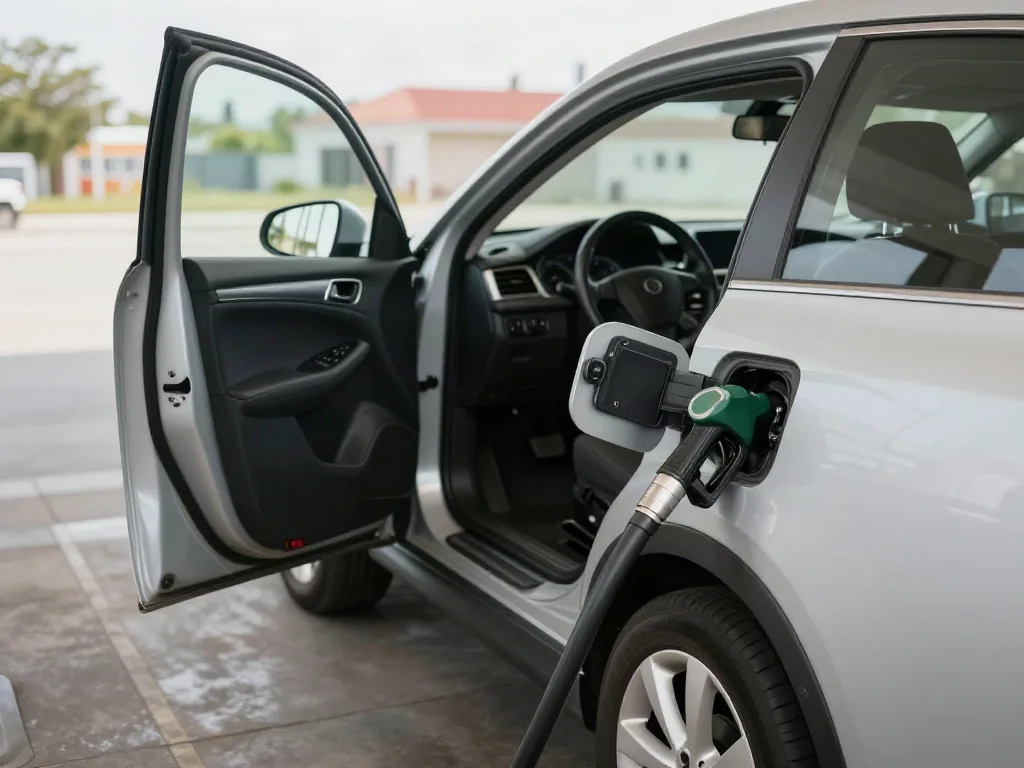
Fuel pump maintenance is less about servicing the pump itself and more about how fuel reaches it. Fuel quality, fuel level habits, and fuel pump filters all influence how hard the pump works. Many in-tank pumps have no separate service procedure, so care follows the vehicle maintenance schedule and fuel specifications. Those habits can reduce avoidable stress, but they cannot promise how long a fuel pump will last.
What Routine Fuel Pump Maintenance Involves
Routine fuel pump maintenance usually means protecting the supply the pump depends on, not performing a dedicated pump service. Many electric in-tank pumps have no separate lubrication, adjustment, or interval listed because they are designed to run as long as clean fuel of the specified grade reaches them. The practical work is following the owner's manual for approved fuel, any required fuel filter service, and other fuel-system items on the maintenance schedule. That is vehicle-specific, not a generic checklist.
Keeping fuel moving freely and within specification reduces heat, starvation, and debris load that can shorten pump life. Skipping filter service, using off-spec fuel, or repeatedly running the tank dry can add demand the pump was not meant to carry continuously. Even careful fuel pump maintenance cannot lock in a mileage figure, because design, operating conditions, and prior contamination still matter. Treat the schedule as a way to avoid preventable stress, not as a warranty that the pump will last a set number of years or miles.
Fuel Level and Fuel Quality Habits That Support Pump Health
Refueling before the tank runs empty is one of the simplest habits that supports pump health. Many in-tank pumps rely on surrounding fuel to help cool and lubricate the assembly, so a dry pickup can interrupt supply and make the pump work against little or no liquid. That does not mean a single low-fuel trip automatically damages the unit, and there is no universal minimum tank level that applies to every vehicle. The useful practice is to treat an empty tank as something to avoid, especially as a repeated pattern, rather than waiting for the last gallon as a routine.
Use fuel that meets the vehicle's specifications, including the octane and any ethanol limits listed in the owner's manual. Water, dirt, and other fuel contamination can starve the pickup, load the pump inlet strainer, and leave the pump pumping a poorer mix than it was designed to handle. Sediment does not wait until the tank is nearly empty to reach the pickup; it can be stirred during refueling, on grades, or whenever remaining fuel is agitated. When water or debris is suspected, have the fuel quality evaluated rather than assuming a low fuel level is the only time contamination matters.
Fuel Pump Filters and Vehicle-Specific Service Needs
Fuel pump filters are not one part with one job. A pump inlet strainer typically sits at the pickup to keep larger debris out of the pump, while a separately serviceable fuel filter may sit in the line, at the tank module, or elsewhere depending on the layout. Some vehicles combine filtration inside the tank module so there is no obvious inline filter to change. Because those arrangements differ, the name on a parts diagram matters less than identifying which screen or filter the manufacturer actually intends to service.
A restricted strainer or fuel filter can impede delivery, forcing the pump to work against higher resistance while the engine still sees weak pressure or volume. That extra demand is one reason neglected filtration belongs in fuel pump maintenance even when the pump itself has no service procedure. There is no universal replacement interval that fits every vehicle, and some filtration is not meant to be changed as a standalone part. Check the maintenance schedule and service information first; if contamination or restriction is suspected, a technician should assess the system rather than replacing filters on guesswork.
What Fuel Pump Cleaners and Cleaning Can Accomplish
A fuel pump cleaner is usually a bottled fuel-system additive sold to help dissolve deposits in injectors, valves, or related passages, not a guaranteed fuel pump maintenance treatment. Fuel pump cleaning in that sense cannot restore a worn impeller, repair an electrical fault, or open a physically obstructed filter. If the pump is already starved by a clogged inlet strainer, an additive in the tank does not replace mechanical clearance of that restriction. Read the product's intended use and the vehicle manufacturer's guidance before treating a pump complaint as something a bottle can finish.
Fuel system additives should be used only when they match the vehicle and fuel type, and only after checking whether the manufacturer allows them. Routine dosing is not a substitute for filter service or for addressing a weak pump. Suspected tank contamination needs professional evaluation; do not open the tank, remove the pump, or flush pressurized fuel lines as a homemade cleaning step. If a cleaner is appropriate at all, it is a limited chemical aid, not a repair and not a reason to skip fuel pressure testing when delivery is in doubt.
How Long a Fuel Pump Can Last
How long a fuel pump lasts depends on the pump, the vehicle, and how it has been used, not on a single mileage everyone can count on. There is no dependable age or odometer figure that answers how long a fuel pump will last in every application. Design, heat, fuel contamination, electrical supply, and maintenance history all influence service life without producing a universal failure rate. Two similar vehicles can part ways if one has seen dirty fuel and neglected filters while the other has had specified fuel and timely filtration.
A vehicle-specific scheduled service requirement is different from replacing a functioning pump solely because it has reached an arbitrary mileage. If the manufacturer does not call for pump replacement at a set interval, mileage alone is a poor reason to swap a unit that still delivers correctly. Symptoms and testing are what assess present condition: fuel pressure testing, delivery checks, and electrical measurements can show whether the pump is meeting specification now. Those results still cannot reliably predict exact remaining life, so a passing test is not a forecast of remaining miles.
Warning Signs That Need Testing Instead of More Maintenance
Hard starting, stalling, a sudden loss of power, or a new persistent noise from the tank area are reasons to have the fuel system evaluated, not proof that the pump has failed. A restricted fuel filter, poor electrical supply, ignition trouble, or contaminated fuel can produce similar drivability problems. Treat those symptoms as evidence that delivery or related systems need diagnosis. Recording when they occur, the indicated fuel level, recent refueling, and any warning lights gives a technician useful context before parts are replaced.
A technician may need vehicle-specific fuel pressure testing, volume or delivery checks, and electrical tests at the pump circuit to identify the cause. Adding more fuel pump cleaner or changing habits after symptoms appear is not a substitute for that diagnosis. If you smell fuel, see leakage, or experience repeated stalling, stop safely and arrange assistance rather than continuing to drive. Do not disassemble the fuel system or attempt roadside repair of pressurized lines; those jobs belong in a shop equipped to control fire risk and confirm the actual fault.