Fuel-Efficient Family Cars for Space, Comfort, and Everyday Driving
A fuel-efficient family car has to cover school runs, commuting, luggage, and parking, not just a headline mpg number. The best fuel economy midsize car for one household may be the wrong size for another, and the same is true of a seven-seater or SUV. Match EPA fuel economy, seating, cargo space, ride comfort, and winter capability to the miles you actually drive.
Choose a Fuel-Efficient Family Car Around Your Daily Routine
Start with how many people ride most days, how often you do school runs, and whether commuting is stop-and-go or highway. A family car for fuel economy also has to park where you live and carry the bags you actually use. EPA labels list city, highway, and combined mpg for comparison, but real fuel use follows your mix of those conditions, idle time, and load. Combined mpg is a weighted average, not a guarantee on every route.
When you compare the best fuel economy family car options, record the model year, the engine or hybrid powertrain, and whether it is front-wheel drive or all-wheel drive, because those details change the applicable rating. Plug-in hybrid electric efficiency and gasoline mpg are separate measures. Electric miles count only if you charge regularly at home or work; without that access, the gasoline engine does more work and the electric figure will not describe weekly fuel use.
Midsize Cars With Practical Family Seating
A midsize sedan or hatchback can be the best medium sized car for fuel economy when the published rating matches the year, engine, and drivetrain you would buy. A nameplate is not enough. Check rear-seat legroom with the front seats set for adult drivers, how wide the rear doors open, and whether child seats install without blocking buckle access. Confirm LATCH anchors and seat belts stay reachable with the seats occupied the way your family sits.
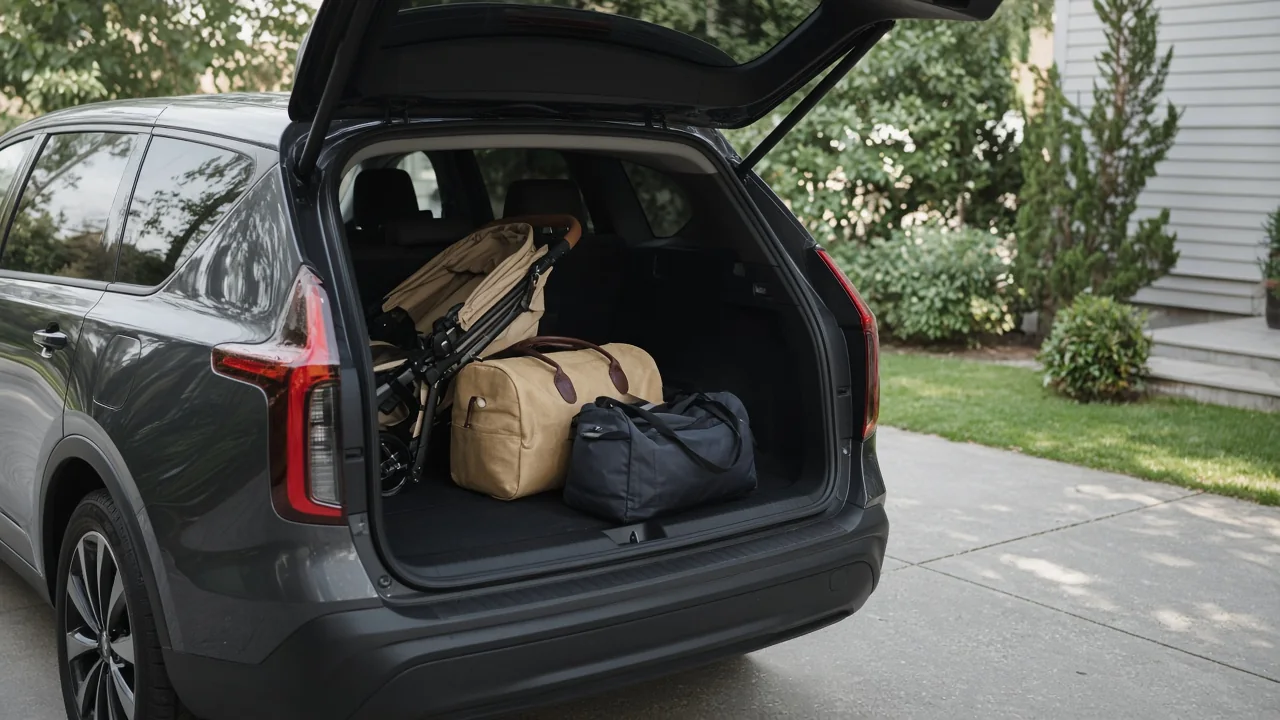
Bring the stroller, school bags, or weekend luggage you normally carry and load the trunk with the rear seats in their usual position. That shows whether the best fuel economy midsize car you are considering still works as a family car, rather than relying on brochure cargo numbers taken with seats folded. Keep the comparison tied to everyday family seating. There is no single ranking for every household, because door height, child seat fit, and trunk shape matter as much as combined mpg.
Fuel-Efficient SUVs That Fit Everyday Family Use
Choosing which SUV car is best for fuel economy still requires the engine or hybrid system, model year, and drivetrain before any mpg figure is meaningful. A model name alone does not establish EPA fuel economy. All-wheel drive, a larger engine, or certain trims can carry a different rating than a front-drive hybrid of the same name. Use the window sticker for the configuration on the lot as the combined mpg for that vehicle, not the lineup.
On a family test, note step-in height for children and older passengers, how easily the second row slides for access, visibility at school pickup, and whether the vehicle is easy to place in a grocery lot. Confirm that passenger space and cargo space remain useful with everyone in their usual seats, because an SUV that looks roomy when empty can feel tight once family seating is occupied. Those checks matter as much as the hybrid powertrain for everyday use.
Seven-Seat Vehicles With Usable Third Rows
A seven-seat layout is not automatic just because a model line offers one; some trims have two rows, and third-row dimensions vary. If you want the best fuel economy 7 seater car, confirm the vehicle is a verified seven-seat configuration. Use the owner's manual for third-row access, occupant limits, seat belt routing, and child seat suitability, then sit in the third row with the second row set for adults. Check whether belts buckle cleanly and whether a child seat would still leave a workable path.
Luggage space with all seven seats occupied is the figure that matters for a family trip, not the maximum volume with the third row folded. Load the bags you would actually take and see what remains behind the last occupied row. Tie any fuel-economy claim to that vehicle's exact powertrain and drivetrain, because a hybrid front-drive version and an all-wheel-drive gasoline version can post different EPA ratings. Judge the best 7 seater car fuel economy only when those seats and the remaining cargo still work together.
Cargo Space That Works With the Seats You Need
Cargo capacity behind occupied rear seats is the everyday number; maximum capacity with seats folded applies only when you leave passengers at home. For the best car for cargo space and fuel economy, measure both, then ignore the larger figure if you still need those seats. Check opening width, load-floor height, and wheel-well intrusions with a stroller or grocery run in mind. A low floor and a wide hatch often matter more than a cubic-foot rating that is hard to use.
Do a realistic loading check that keeps required seating, outward visibility, and access to restraints. Stacking bags against the rear window or blocking a buckle is not a workable compromise. Payload limits cover occupants and luggage together, so a full family plus heavy cargo can approach the rated load even if the cargo area still looks empty. Roof-mounted cargo adds drag and weight, which typically reduces fuel economy on highway trips, so treat a roof box as an occasional tool.
Comfort Features to Check on a Family Test Drive
On a test drive, judge seat support, whether the driving position lets you see the corners of the hood, and how rear passengers sit on a typical commute. Entry and exit matter for child seats and for anyone with limited mobility. Listen for road noise on coarse pavement, note ride comfort over broken surfaces, and check whether climate controls and rear ventilation reach the back row. The best car for comfort and fuel economy is the one that stays quiet and supportive on journeys you repeat.
Assess the actual trim and wheel configuration you would buy, because larger wheels and sportier tires can firm the ride and raise road noise versus another trim. Match those observations to routine journey length, passenger ages, and any mobility needs. A short school run highlights door openings and buckle reach; a longer highway trip highlights seat support and climate control. Comfort and combined mpg belong in the same decision, since a vehicle that wears you out will not stay the intended family car.
Winter Suitability and Cold-Weather Fuel Use
Winter tires, ground clearance, and a suitable drivetrain all contribute to snow capability, but all-wheel drive does not guarantee grip or shorter stopping distances. Tires and speed still decide how the vehicle starts, turns, and brakes on ice. If you want the best car for snow and fuel economy, compare the EPA rating for the drivetrain you would actually order, because all-wheel drive often carries a lower combined mpg than the two-wheel-drive version. Confirm that rating still fits winter routes.
Cold starts, short trips, cabin heating, and low tire pressure tend to increase winter fuel use, though the change varies with climate and driving pattern, so no single mileage drop applies to every family. Check defrosting performance, wiper coverage, and visibility in a cold lot, and fit only manufacturer-approved tire sizes and load ratings. Do not run traction experiments on public roads. The best family car for fuel economy in winter is the one whose tires, heating, and drivetrain rating match the routes you cannot avoid.