Fuel-Efficient AWD and 4WD Cars for Snow
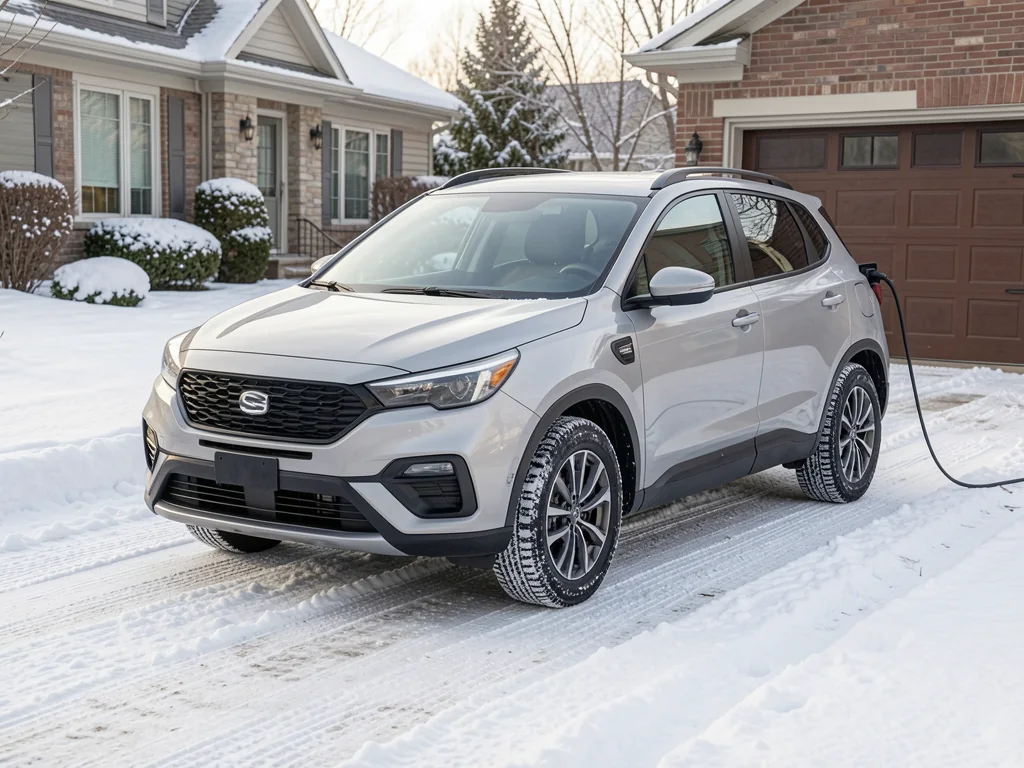
Shoppers hunting for the best all wheel drive car with great gas mileage usually want winter traction without abandoning everyday fuel economy. All-wheel drive, four-wheel drive, and hybrid powertrain crossovers can share that job, but drivetrain configuration, EPA fuel economy, winter tires, and typical snow conditions decide the result more than a model name. Use published ratings as a starting point, then confirm the exact used example before you buy.
Fuel-Efficient AWD Cars to Put on a Used-Car Shortlist
When you compare the best AWD car gas mileage among compact used cars, the Toyota Prius AWD, Toyota Corolla Hybrid AWD, and Subaru Impreza are reasonable names to investigate rather than a ranked winner. A model name does not prove all-wheel drive is installed. Confirm model year, trim, powertrain, and AWD availability on the specific vehicle, because some years and trims stay front-wheel drive. Ask for window-sticker language, a build sheet, or the owner's manual description of the drivetrain configuration before you treat the listing as all-wheel drive.
Look up EPA city, highway, and combined MPG for that exact configuration, then compare those figures with the mix of stop-and-go and highway miles in your commute. A high combined rating still disappoints if most of your winter driving is short, cold, and congested. Suitability also depends on documented fuel economy, mechanical condition, winter equipment, and the snow you actually see, from packed suburban streets to unplowed rural roads. The best car for snow and gas mileage is the verified example that matches those facts, not a headline ranking.
AWD Crossovers for Snowy Everyday Travel
Shoppers who want a crossover car with best gas mileage for snowy everyday travel often shortlist the Toyota RAV4 Hybrid, Honda CR-V Hybrid AWD, and Ford Escape Hybrid AWD, without treating any of them as a universal winner. Passenger space, cargo needs, parking dimensions, and ground clearance decide whether a crossover actually fits the intended use. A taller stance can help with rutted snow at the curb, yet it does not replace winter tires or prove the vehicle will clear unmeasured drifts. Measure garage height, driveway slope, and typical cargo before you assume a compact crossover is enough.
Require configuration-specific EPA fuel economy figures and clearly identify AWD versions when a model line also sells front-wheel-drive hybrids. Hybrid badges do not establish all-wheel drive equipment, and a listing that only says hybrid can still be two-wheel drive. Plug-in efficiency ratings need extra attention because they depend on charging assumptions that may not match a cold garage or a long unplugged commute. Compare the gasoline-only combined rating for the AWD hybrid you can actually charge, or cannot charge, against the miles you drive in snow season.
Confirm the Drivetrain Behind a 4WD Listing
A 4 wheel drive car with best gas mileage and a 4wd car with best gas mileage can describe very different hardware. Sellers may use all-wheel drive, four-wheel drive, and 4WD labels loosely, so confirm the installed system with the window sticker, a VIN decode from the manufacturer, or the owner's manual rather than the advertisement headline. Decide whether you actually need selectable drive modes or low-range capability for the routes you travel. Packed neighborhood streets rarely require low range, while steep unpaved access roads in deep snow may.
Keep the shortlist limited to vehicles with verified drivetrain equipment and published fuel-economy information for the relevant configuration. A part-time four-wheel-drive truck and a full-time all-wheel-drive crossover can both appear in snow searches, yet their fuel use, pavement manners, and intended terrain differ. Read the owner's manual for operating restrictions, including any limits on dry-pavement four-wheel-drive use, towing, or tire-size matching. Do not improvise engagement of unfamiliar drivetrain modes from a listing description. If the documentation is missing, treat the drivetrain as unconfirmed until a qualified technician identifies it.
Winter Traction Starts With Tires and Road Conditions
All-wheel drive can help deliver power during acceleration on snow, which is why people search for the best car for gas mileage and snow, but it does not remove limits on braking or cornering grip. Those jobs still depend on the tire contact patch. Appropriate winter tires, adequate tread depth, correct inflation, and sound tire condition matter more than a drivetrain badge once you are already moving. Worn all-season tires on an AWD car can still slide in a stop or a curve. Match tire type to the temperatures and snow you actually encounter.
Connect vehicle suitability to the roads you use: regularly plowed streets, a steep driveway, or stretches of deep unplowed snow. The best car in snow with good gas mileage still cannot make travel safe when visibility, ice, or drifted snow exceed what a passenger vehicle should attempt. Ground clearance alone cannot establish snow capability or justify driving through unmeasured snow. A few extra inches help with ruts and packed berms, but they do not tell you how deep the snow is or whether ice is hidden underneath. Stay off routes you cannot assess.
Set Realistic Winter Fuel-Economy Expectations
Cold-weather fuel economy often falls below the sticker because cold starts, short trips, cabin heating, idling, and winter road conditions all add load. A hybrid powertrain can still spend more time on the engine when the battery and cabin are cold. EPA ratings provide a useful reference point and do not predict a specific driver's winter results. The best car for snow and mileage on paper can look ordinary in January if most trips are a few miles from a cold soak. Treat combined MPG as a comparison tool between configurations, not a promise of winter gallons.
Estimate seasonal fuel spending with expected miles, a clearly labeled MPG assumption, and your local fuel price. For example, 4,000 winter miles at 35 miles per gallon and a stated local price produces a gallon count you can compare with another drivetrain configuration using the same miles and price. Do not treat that math as a guarantee. Record fuel use over several fill-ups so you can see how cold-weather driving actually behaves. Check tire pressure according to the vehicle placard, because underinflation in cold air can raise rolling resistance and dull both mileage and traction.
Inspect a Used AWD Vehicle Before Buying
A used-car inspection should be professional and pre-purchase, covering drivetrain operation, leaks, warning lights, tire condition, and underbody corrosion. Salt-belt snow use can hide damage that a test drive on dry pavement will not reveal. Tire sizes and wear should meet manufacturer requirements, with any mixed sizes or uneven wear checked by a qualified technician, because mismatched rolling diameters can strain an all-wheel-drive system. Do not assume a recent set of tires is correct if the size on the sidewall disagrees with the door placard. Ask the inspector to note whether winter tires are already mounted.
Review maintenance records against the exact vehicle's published requirements rather than a generic interval. For hybrid candidates, request an appropriate battery-system assessment and confirm any remaining warranty terms for that specific vehicle, because coverage varies by year and prior owner. Finish with a purchase checklist: verified drivetrain configuration, documented EPA fuel economy for that configuration, tires suitable for your snow, a service history that matches the car in front of you, and written inspection findings. The best all wheel drive car with great gas mileage is the example that clears those checks, not the listing with the boldest snow claim.