Freightliner ABS Tone Ring: Fitment Guide
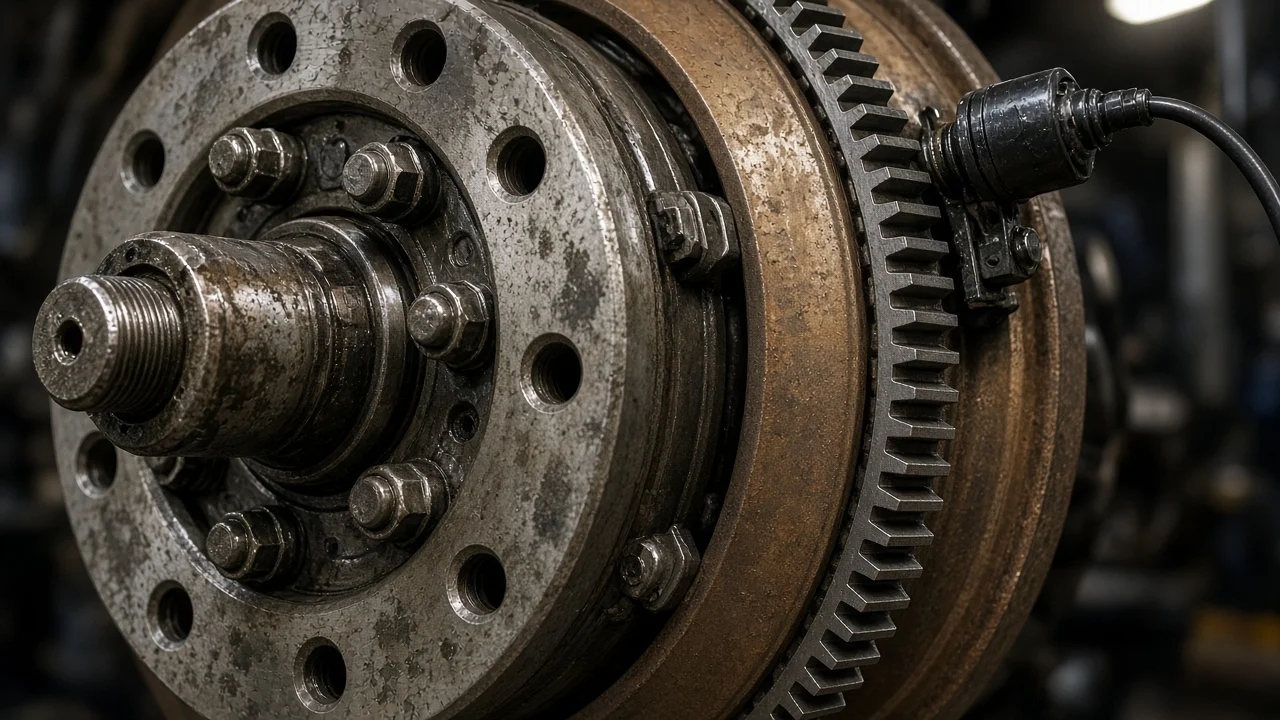
An ABS tone ring on a Freightliner truck is a simple toothed ring. If you fit the wrong one, the antilock system can lose track of that wheel. On a medium-duty M2 or a Class 8 Cascadia alike, the correct ring depends on the hub it mounts to, its tooth count and what the ABS controller expects. The truck badge alone does not settle it. This guide explains how to confirm vehicle fitment before you order a replacement.
Short answer: what makes a tone ring fit
A replacement tone ring fits only when it matches three things. It must suit the exact hub or rotor it presses onto. It must have the tooth count the ABS control unit is set up to read. It must also be correct for its axle position. Freightliner has built trucks with different axle and hub suppliers, and with both Bendix and WABCO antilock systems. That is why a search by model and year alone is not reliable. Two trucks with the same name can have rings of different diameter or tooth count.
The most dependable route is to identify the hub part number and inspect the ring already on it. Count the teeth on the old ring. Then confirm the original build data with a dealer using the VIN. Many heavy-truck tone rings use 100 teeth, but you should never assume that. On some hubs the ring is machined into the casting or sold only with the hub, and in that case fixing a damaged ring means replacing the hub assembly.
How the tone ring and ABS sensor work together
The tone ring turns with the hub, and a fixed wheel speed sensor sits just beside its teeth. As each tooth passes, the sensor produces an electrical pulse. The faster the wheel turns, the faster the pulses arrive. The ABS control unit converts that signal into wheel speed and compares all monitored wheels. If one wheel slows much faster than the others during braking, the system briefly reduces and reapplies brake pressure at that wheel. On air brakes this happens through modulator valves, and on hydraulic systems through a hydraulic modulator.
This is why tooth count matters. The controller calculates speed from a programmed tooth count and tire size. A ring with the wrong number of teeth reports a false speed, which usually sets a fault code and turns on the ABS warning lamp. ABS may then be disabled at that wheel or across the system. On many air-braked axles the sensor sits in a spring clip and is pushed toward the ring. Wheel rotation then sets the gap, so excessive hub runout, loose bearings or chipped teeth can produce an erratic signal even when the part number is correct.
What changes the right part for your truck
The brake type changes where the ring lives. Air drum brakes and air disc brakes usually carry the ring on the hub. Some medium-duty Freightliner chassis use hydraulic disc brakes with calipers, brake rotors and brake fluid. On these, depending on design, the ring may be part of the hub or the rotor assembly. Axle position matters too. Steer and drive hubs are different parts, and their rings are often different diameters, so a ring that suits the rear may not suit the front.
Hub construction also counts. Iron and aluminum hubs, conventional hubs and preset or unitized wheel-end packages can each take a different ring, or none sold separately. If the truck has had earlier wheel-end repairs, the hub on it may no longer match the factory build record, so the part in hand beats the paperwork.
Tire size is a further variable. The ABS controller relates pulses to distance using tire size. A large change in tire size can affect speed calculation even with the correct ring, and some systems may need their parameters checked. Trailer ABS is a separate system with its own sensors and is not covered here.
Practical steps before and after replacement
Start with the symptoms and the stored data. An ABS lamp that stays on after startup, or comes on at road speed, is the usual sign. Depending on the model and ABS supplier, fault codes can be read through the dash display, blink codes or a diagnostic tool. A code naming a specific wheel sensor or an erratic signal narrows the search to one wheel end. Check the sensor and wiring first, because a damaged cable or connector causes many of the same faults as a bad ring.
With the wheel and drum or caliper removed as needed, inspect the ring for cracks, missing or bent teeth, rust packed between teeth and any sign it has shifted on the hub. Before ordering, record the VIN, axle position and any part number stamped on the hub. Mark one tooth with paint and count all the teeth. Use those details to confirm the replacement, and compare the new ring to the old one side by side before installation.
Tone rings are usually press-fit and must seat evenly and fully. Follow the hub manufacturer's procedure, including any instruction to heat the ring, rather than driving it on unevenly with a hammer. Push the sensor fully forward on reinstallation and adjust the wheel bearings to specification, since bearing end play affects the sensor gap. While the hub is off, check the brake pads or friction material, rotors or drums against their wear limits. Afterward, clear the codes, confirm the lamp behaves normally and verify the wheel speed reading with a diagnostic tool if one is available.
Limitations and when to hand it to a shop
This guide cannot identify the exact ring for your truck. Fitment depends on build data, hub supplier and any past repairs, and those vary from one vehicle to the next. Procedures, torque values, bearing adjustment and wear limits must come from the vehicle-specific service information for your model and axle. When the hub part number is unreadable or the old ring is missing, a Freightliner dealer with VIN access is the right place to confirm the part.
Wheel-end work involves bearings, seals and wheel retention, and mistakes there are serious. If you do not have the tools and procedures, have a qualified brake shop do it. Stop using the truck and get professional service if an ABS fault comes with pulling, wheel lockup, low air pressure warnings, unusual pedal feel or a service brake warning, because the fault may not be limited to the tone ring.