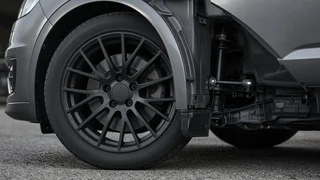
Ford Transit Connect Wheel Offset

Wheel offset shapes how a Ford Transit Connect sits, steers, and clears its suspension and bodywork. The measurement describes where the wheel mounting surface falls relative to the rim centerline, and a change of only a few millimeters can move the tire noticeably inward or outward. For owners considering replacement wheels, spacers, or different tire sizes, understanding this dimension reduces the chance of rubbing, bearing stress, or altered handling. The following overview explains what offset means for this compact van, how it differs from related wheel dimensions such as rim width and bolt pattern, and which practical steps help when evaluating fitment.
Essential answer
For the Ford Transit Connect, wheel offset is a fitment value that locates the tire relative to the hub and wheel arch. A positive offset pulls the wheel inward toward the vehicle centerline; a lower or negative value pushes the tire outward. Because the Transit Connect is a front-wheel-drive platform in most generations, its stock wheels tend to use a fairly high positive offset. This keeps the tire close to the suspension geometry while preserving space at the outer fender lip. The exact factory figure can vary by model year, wheel diameter, and rim width, so a single universal Transit Connect offset cannot be stated without a specific application.
Offset is only one part of the wheel package. Rim diameter, rim width, and bolt pattern must also match, while tire compatibility and available clearance determine how much deviation is tolerable. A wider rim with the same offset moves both the inner and outer tire edges outward, so clearance changes even when the centerline relationship looks unchanged. Practical judgment therefore starts with the factory wheel as a reference. Once that baseline is known, a slightly lower offset may fill the fender more evenly, but it can also reduce clearance during suspension compression or full steering lock.
Procedure
Begin by identifying the original or currently installed wheel dimensions. Look for size markings on the back of a factory wheel or the vehicle’s tire information label, then confirm the offset value only from a reliable source specific to that model year and wheel option. When comparing a candidate wheel, use the offset along with rim width to estimate how the tire position changes. Calculate the backspacing change as roughly half of the width difference plus the offset change, then check the inner suspension, brake, and body areas with the wheels on the ground and steering turned fully in both directions.
After installation, perform a clearance check before normal driving. Load the vehicle realistically, then listen and feel for contact over bumps and during slow steering sweeps. A hub-centric fitment, correct lug seat type, and proper torque are also part of the wheel package, but this discussion focuses on offset rather than fastener procedures. If a proposed offset requires spacers to look right or clear components, reconsider the wheel choice instead of stacking adapters. When clearance is tight near suspension arms, brake lines, or fender edges, professional measurement and vehicle-specific confirmation are the appropriate next step.