Ford Transfer Case Shift Motor: Identifying the Vehicle Application
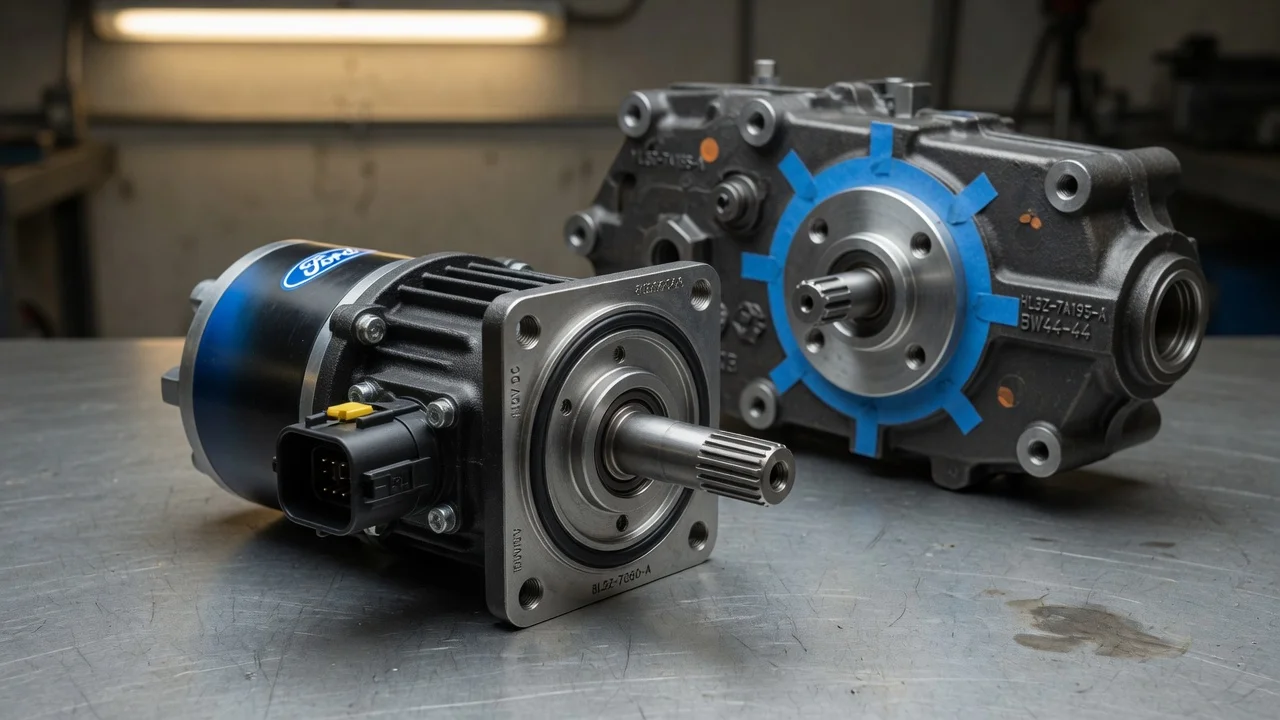
Finding the right Ford transfer case shift motor depends on more than the model name. Ford has used electronically shifted transfer cases across many trucks and SUVs, and the motors that mount on them can differ by transfer case, 4WD system type, connector and model year. This guide explains how to match a replacement to your exact vehicle configuration, what affects fitment and what to check before you buy or install a part.
Match the transfer case, not just the model
To identify the correct shift motor, start with the VIN, model year, model, engine and drivetrain, then confirm which transfer case is actually installed. Ford vehicles with the same nameplate can use different transfer cases depending on options such as Auto 4WD, a two-speed versus single-speed unit, or a particular equipment package. If the transfer case housing has a legible identification tag, it is one of the most direct references available. Parts catalogs that filter by VIN or by these build details are more reliable than a listing that simply says a motor fits a given model.
If the original motor is still on the vehicle, the markings on its housing and the shape of its electrical connector are useful cross-checks. Treat any single source as provisional until the VIN lookup, the transfer case tag and the old part all point to the same component.
How the shift motor works
On Ford electronic shift-on-the-fly systems, the driver uses a dial or buttons to request a drive mode. A control module receives that request and powers the shift motor, an electric motor mounted on the outside of the transfer case. The motor turns a shaft that moves the internal shift mechanism between ranges such as 2H, 4H and 4L, or into Auto 4WD on vehicles that have it. Many of these motors include a position sensor or encoder that tells the module where the shaft is, so the module knows when a shift has finished. If the reported position does not match the request, the system may refuse to shift, flash the 4WD indicator or store a diagnostic trouble code.
Because the motor, its position sensing and the control module work together, a replacement has to match both mechanically and electrically. Mounting points and shaft engagement must suit the transfer case, and the connector and sensor design must suit the vehicle wiring and module. A unit that bolts on but reports position differently can leave the system unable to complete a shift even though the part appears to fit.
What changes the answer
Several build details determine which motor is correct: the model year and any mid-year production change, the type of 4WD system, the factory-fitted transfer case and the wiring connector design. Some Ford platforms offered more than one transfer case in the same year, so two vehicles with the same trim level can need different parts. Transfer cases shifted by a floor lever do not use a shift motor at all, which is worth confirming before ordering anything.
Service history can also change the answer. If the transfer case or motor was replaced earlier with a used or remanufactured unit, the installed hardware may not match the original build record, and a VIN-based lookup could point to a part that differs from what is on the vehicle. Operating conditions do not change fitment, but they matter for diagnosis: road salt, water exposure from deep crossings and long periods without engaging 4WD can affect the motor, its connector or the shift mechanism inside the case.
What the owner can do
Before ordering, gather the VIN, the model year and build date from the door jamb label, the type of 4WD selector, and clear photos of the transfer case tag and the existing motor, including its connector. Record symptoms precisely: which ranges fail to engage, whether the 4WD indicator flashes, whether any warning message appears, and whether the problem shows up only in cold or wet weather or after a particular kind of driving.
Where the motor can be reached safely, do a basic inspection. Check the connector for corrosion, bent pins or loose fit, look over the visible wiring for damage, and examine the motor housing for impact damage. Check the fuses related to the 4WD system as listed in the owner's manual. Reading codes from the 4WD or transfer case module with a capable scan tool is far more useful than guessing, because a failed motor, a faulty position sensor, a wiring fault, a module problem or a binding shift mechanism inside the transfer case can produce similar symptoms.
If replacement is justified, follow the service procedure for your specific vehicle. Some installations require the motor shaft and the transfer case shift position to be aligned before the motor is fitted, and the required range for that step varies. Follow the maintenance schedule in the owner's manual for transfer case fluid and any recommended periodic 4WD use rather than relying on a generic interval.
Limitations and next step
This article cannot confirm a part number for a particular Ford, because fitment depends on build records, manufacturer specifications and any changes made during the vehicle's life. Aftermarket catalogs sometimes list broad fitment that does not apply to every configuration, so verify against the VIN and the installed hardware. Some vehicles may also need module setup or a relearn after a component change; whether yours does depends on the platform and should be confirmed in its service information.
If the VIN lookup, the transfer case tag and the old part disagree, or if testing points toward an internal transfer case problem, a Ford dealer parts department or a drivetrain specialist can confirm the correct component and test the system with appropriate equipment. That step usually costs less than buying a motor that fits physically but does not fix the fault.