Ford Super Duty Locking Hub Fitment Guide
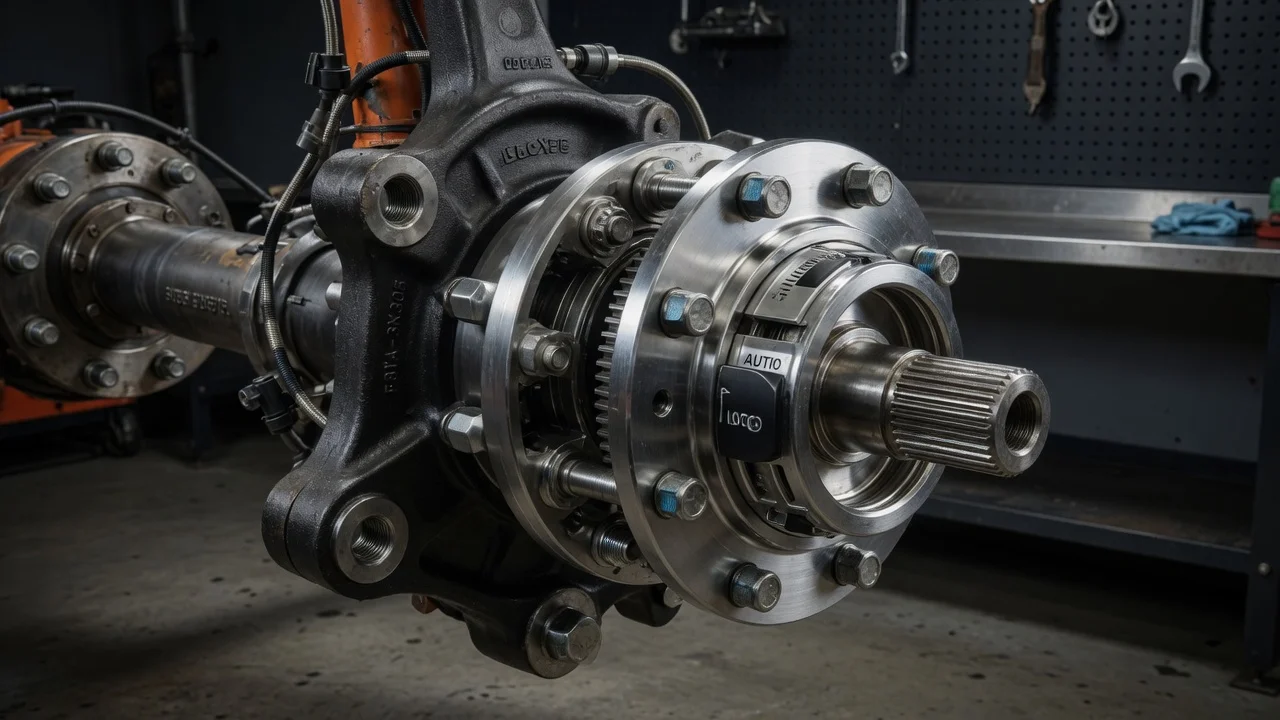
Choosing locking hubs for a Ford Super Duty looks simple until a hub that seemed right will not bolt on, spline up or engage. Fitment depends on the generation of the truck, its front axle, whether it was built with manual or automatic hubs, and how the four-wheel-drive system is controlled. This guide explains what decides whether a hub fits and how to confirm the correct part before you spend money.
The short answer: fitment follows your exact truck
No single locking hub fits every Super Duty. A replacement has to match three things on your specific truck: the hub type it was built with, either a manual dial hub or an automatic hub with a manual override position; the way the hub mounts to the wheel hub assembly; and the spline engagement with the outer front axle shaft. Ford changed front axles, hub designs and four-wheel-drive controls across Super Duty generations, so a hub listed for one range of model years can be wrong for the next. Single rear wheel and dual rear wheel pickups, as well as heavier chassis cab models, may also use different front hub hardware.
The dependable approach is to identify your vehicle configuration first and then match a part listing or part number to it. Broad labels such as Super Duty 4x4 or fits F-250 are a starting point for your search, not proof that the hub will fit.
How Super Duty locking hubs work
On a part-time four-wheel-drive truck, the front wheels are connected to the front axle shafts only when the hubs are locked. When they are unlocked, each wheel turns on its bearing while the axle shafts and much of the front driveline can stay still, which reduces drag and wear during normal two-wheel-drive driving. Locking the hub moves a clutch ring or gear so that it bridges the splined end of the axle shaft and the hub body, letting the front axle drive the wheel.
Manual hubs are engaged by hand with a dial marked for free and lock positions. Automatic hubs used on many Super Duty trucks are engaged by vacuum delivered through lines at the steering knuckle when the driver selects four-wheel drive, and their dial typically offers an auto position plus a lock position that engages the hub mechanically if the vacuum side fails. Because an automatic hub relies on seals, vacuum passages and the truck's control system, a replacement must suit that whole system, not just the axle splines.
What changes the answer
The biggest variable is the model year range, because it determines the front axle and the original hub design. Within a generation, the drivetrain and chassis still matter: a pickup and a chassis cab, or a single rear wheel and dual rear wheel truck, may not share the same front hub components. The spline count of the axle shaft and the bolt pattern of the hub body must both match, and a hub that matches one but not the other will not work.
Service history can change the answer too. A previous owner may have converted automatic hubs to manual ones, replaced the wheel hub assemblies, or swapped axle parts from another truck. In that case the original factory configuration no longer describes what is actually on the vehicle, and you need to match the parts that are installed. Conversion kits from automatic to manual hubs can include more than the hub bodies and may change how the four-wheel-drive selector behaves, so check exactly what a kit covers before choosing that route.
Operating conditions influence which design suits you rather than whether a part fits. Owners who plow, work in deep mud or drive in heavy road salt often care most about sealing and the ease of locking hubs by hand, while drivers who rarely leave pavement may prefer the convenience of an automatic system. Either way, the part still has to match your truck's axle and mounting.
What the owner can do to confirm fitment
Start with the documents. The VIN, the certification label in the driver door jamb, the owner's manual and any build information from a dealer identify the model year, drivetrain and axle. Then look at the truck itself: note whether the existing hubs have a free and lock dial or an auto and lock dial, count the fasteners holding the hub to the wheel hub, and record any part number stamped or cast on a removed hub. If the hub is off, count the splines on the axle shaft and on the clutch ring rather than assuming them.
Compare those details against the product listing, and ask the seller or a Ford parts counter to confirm the part by VIN when the listing is vague. If you are buying used hubs, inspect the splines, clutch ring, dial mechanism and seals for wear, rust and damage, since a worn hub can slip or fail to engage even when it is technically the right part.
Signs your current hubs need attention
Common symptoms include the front wheels not pulling when four-wheel drive is selected, grinding or clicking from the front when turning in four-wheel drive, hubs that will not release, and a dial that is stiff or will not turn. On vacuum-operated hubs, a hissing sound, cracked lines or damaged seals can prevent engagement even when the hub itself is fine. Turning the dial to the lock position is a useful check: if the front then drives normally, the problem is more likely in the vacuum supply or control side than in the hub internals.
Moisture is a frequent cause of hub trouble, so an inspection after water crossings or heavy salt exposure is worthwhile. Follow the maintenance schedule and manufacturer specifications in your owner's manual or service information rather than any universal interval, including any guidance on periodically engaging four-wheel drive to keep components working.
Limitations and the next step
This guide explains what governs locking hub fitment, but it cannot confirm the exact part for your truck. Ford's configurations vary by generation, chassis and options, and earlier modifications can make factory data unreliable. Fastener torque values, bearing adjustment and assembly order should come from the service information for your specific vehicle, not from general advice.
Get professional help if you find play in the wheel bearing, a hub that is seized, damaged axle splines, mismatched parts from a past repair, or a four-wheel-drive fault you cannot trace to the hubs. The practical next step is simple: gather your VIN and door label details, check what is installed on the truck, and confirm the part number with a parts specialist before ordering.