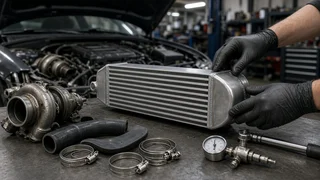
Ford Ranger Turbo Intercooler
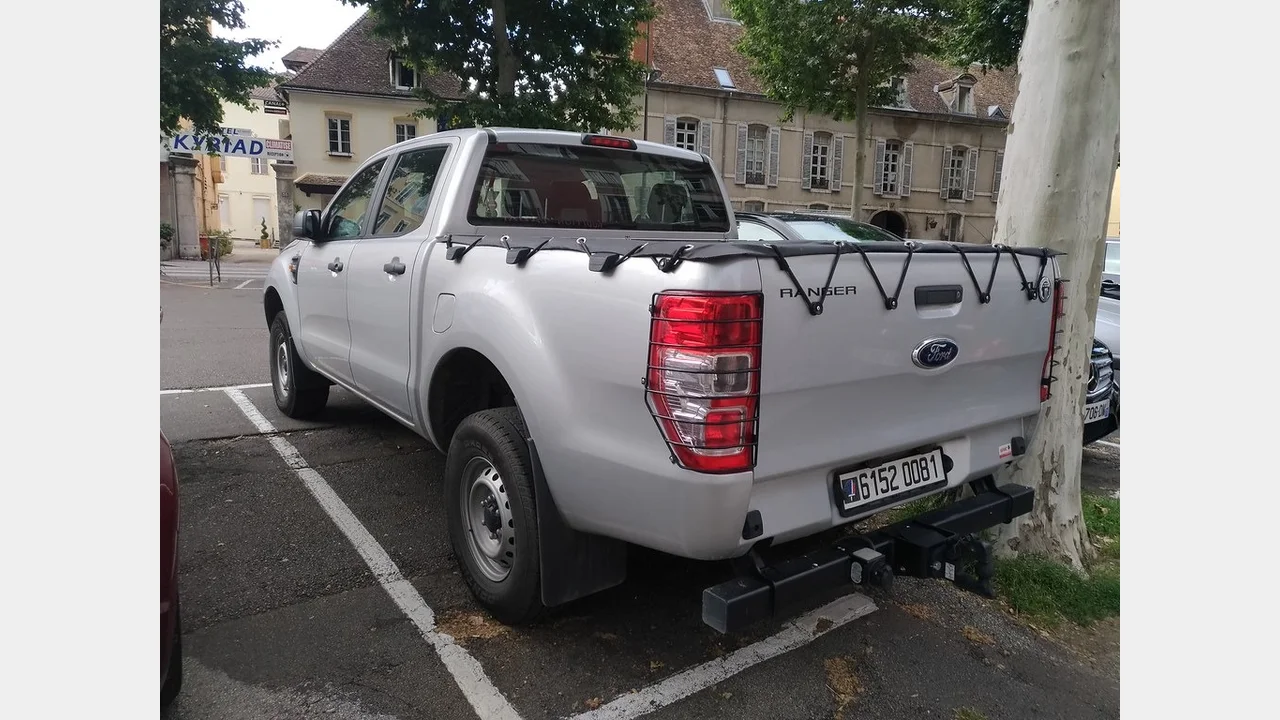
A Ford Ranger turbo intercooler sits between the compressor outlet and the intake manifold, where it removes heat created when the turbocharger squeezes intake air. Cooler air is denser, so the engine receives more oxygen per cylinder filling and can maintain stronger boost pressure without excessive charge-air temperature. When you shop for this part, the important question is whether the core, end tanks, hose connection points, and mounting provisions match your Ranger’s year and induction layout while delivering acceptable pressure loss and durability.
The direct answer
The right replacement intercooler for a Ford Ranger depends on the original factory plumbing and the truck’s generation, not solely on the part name. A direct-fit unit should match the inlet and outlet positions, core thickness, mounting brackets, and charge pipe diameters so boost pressure reaches the intake without leaks or excessive pressure loss. Unless a supplied specification confirms an upgrade, the safest purchase is a replacement built for the same engine family and body style.
When choosing a unit, inspect the end tanks and hose connection surfaces for damaged lips, cracks, or deformed flanges that could allow a charged air leak under load. Oil contamination inside the intercooler is worth checking because a light film from the crankcase ventilation system is common on turbocharged engines, but heavy oil can point to a worn turbocharger seal or restricted drain. A fault code for underboost should be interpreted as a symptom to investigate rather than automatic proof that the intercooler core has failed.