Ford Ranger Suspension Lift Kits: Choosing the Right Fit
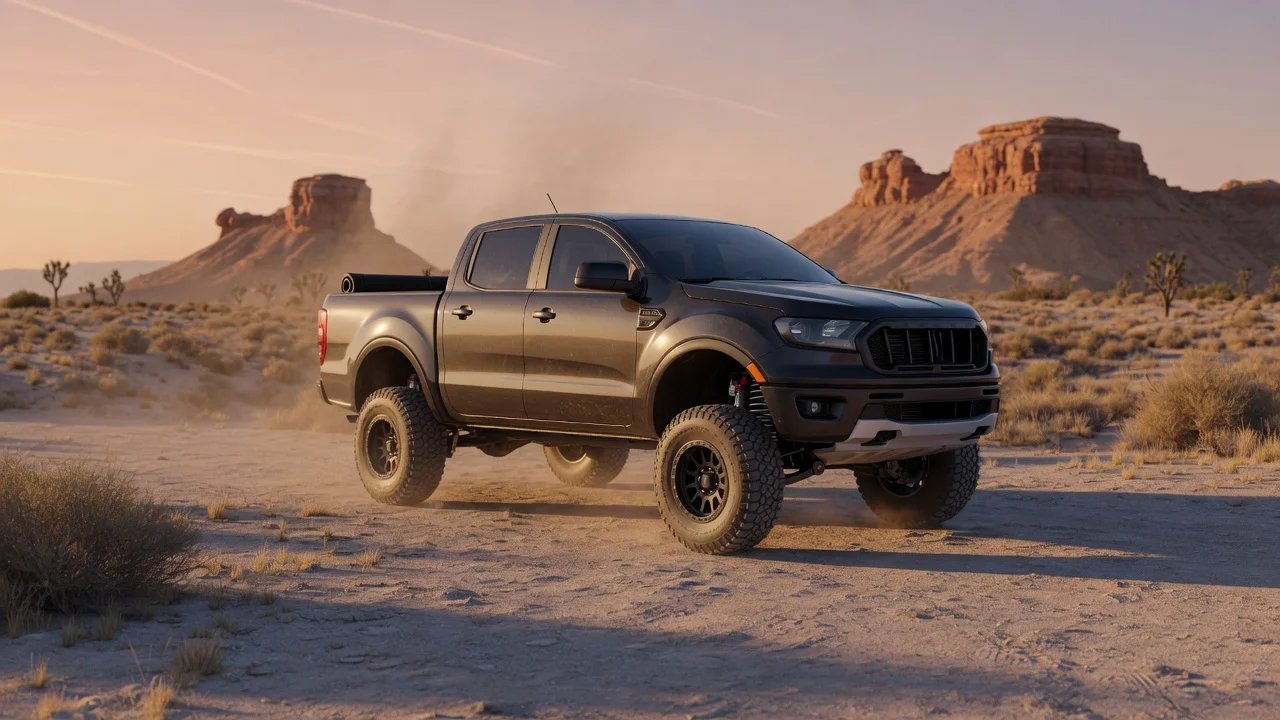
The short answer: match the kit to your Ranger generation and intended use
A Ford Ranger suspension lift kit changes ride height by replacing or adding suspension components such as coil springs, struts, leaf springs, shackles, or control arms. The right choice depends mainly on the Ranger generation and model year, the drivetrain, and whether the truck will spend most of its time on pavement, gravel, or rough trails. A small leveling kit may be enough for a slightly taller stance and larger tires, while a full suspension lift provides more clearance and travel but adds cost and installation work.
Compatibility matters more than claimed lift height
Start with the exact model year, trim, cab configuration, and drivetrain. Suspension design changed between Ranger generations, so a kit listed generically as a Ranger fit may not work across all years. Four-wheel-drive and two-wheel-drive models can also use different front suspension geometry and components. Confirm that the kit is specified for the applicable market version of the truck, since overseas and North American Ranger models have differed in chassis and suspension details in some periods.
Check the lift height before relying on a product name. Terms such as leveling kit, two-inch lift, and four-inch lift describe intended changes, but the installed height can vary with spring condition, added weight such as bumpers or a winch, and wheel and tire size. A kit that requires cutting or welding has different installation and reversibility implications than one that bolts into existing mounting points.
What to check before committing to a purchase
For a purchase decision, evaluate the complete cost rather than the kit price alone. Include professional installation, a wheel alignment, and any supporting parts that are not in the box. Suspension lift kits are often sold as core components with the expectation that the buyer already has suitable shocks, control arms, brake line brackets, or drivetrain spacers depending on the kit design. Advertised prices should not be treated as the final installed cost.
Compatibility: confirm the exact model year, market, cab, bed, and drivetrain. Intended use: daily driving, towing, gravel roads, or technical off-road use changes the sensible kit. Included parts: identify which shocks, springs, spacers, brackets, or control arms are supplied and which must be purchased separately. Installation requirement: check whether the kit is bolt-on or requires cutting, welding, or permanent modification. Alignment and geometry: budget for alignment and verify whether corrected control arms or caster adjustment are needed. Warranty and legality: review the kit warranty and local rules for ride-height or lighting changes before purchase.
Compare kit types by use case
Leveling kits are the mildest option. They typically raise the front to reduce the factory nose-down stance, preserving much of the original ride and often remaining bolt-on. They suit owners who want a modest appearance change or clearance for a slightly larger tire without a major suspension overhaul.
Spacer lifts are also relatively simple and affordable, but they can increase stress on existing shocks and alter suspension travel. They may be a practical short-term solution, yet they rarely improve ride quality or off-road capability. Coilover and strut replacement kits usually cost more and replace the spring and damper assembly, which may improve damping control, especially when paired with matching rear springs or shocks.
Full suspension systems provide the largest ride-height and wheel-travel changes. They may include new control arms, longer shocks, revised springs, and hardware to correct steering or driveline angles. These systems are best suited to owners who need clearance and articulation for trails or larger tires and accept the higher cost, more involved installation, and likely changes in on-road handling.
Conditional recommendations
For a daily-driven Ranger that mostly stays on paved roads, a leveling or mild spacer kit is usually the lowest-cost and least intrusive starting point. For mixed gravel and moderate trail use, a matched spring and shock package is often a better balance of clearance, ride control, and complexity than a spacer-only setup. For technical trails, heavy accessories, or substantially larger tires, a full suspension system with the required supporting parts is the more suitable direction, provided the buyer accepts the higher installed cost and possible changes to steering feel and load carrying.
Evidence gaps and purchase checks
This guide does not supply current prices, brand rankings, or measured lift results. Quoted prices require a specific market, date, currency, and included parts, and advertised prices may differ from completed transaction costs. Before buying, request the kit's fitment sheet for the exact Ranger version and compare it with the vehicle's build data. Confirm what is included, whether supporting parts are required, and whether the installer will provide a post-installation alignment and geometry check.
If the vehicle will be used for towing, verify how the lift affects rear spring rate and load height. If larger tires are planned, confirm the lift height, offset, and trimming required to avoid interference. When comparing two kits, compare them on the same Ranger configuration using comparable measurements for lift height, travel, spring rate, and included components rather than relying on marketing labels alone.