Ford Ranger 4WD Actuator Fitment: How to Choose the Right Part
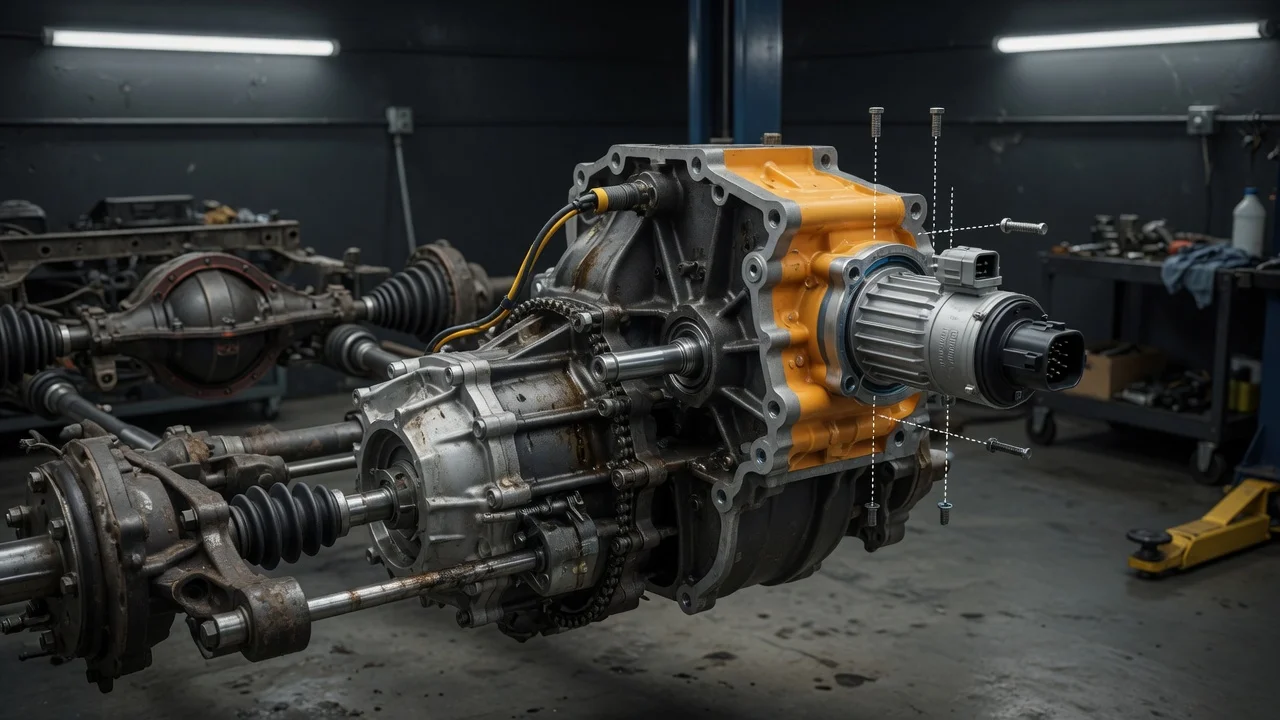
Buying a 4WD actuator for a Ford Ranger looks simple until you discover that the word covers more than one part. Depending on the model year and drivetrain, it can mean an electric transfer case shift motor or a component in the front hub engagement system. This guide explains how to match the correct actuator to your truck, what details change the answer, and what to check before you spend money on a replacement.
Short answer: which actuator fits your Ranger
There is no single 4WD actuator that fits every Ford Ranger. The correct part depends on the model year, the type of transfer case, and whether the truck shifts into four-wheel drive with a floor lever or with a dash switch or knob. Trucks with electronic shift-on-the-fly use an electric shift motor mounted on the transfer case. Trucks with a manual floor lever do not use that motor at all, so a shift motor listing will not apply to them.
The most reliable way to confirm fitment is to match the part number stamped or printed on your existing unit, or to look up the part by the vehicle identification number through a parts supplier or dealer parts counter. Listings that only state a year range can be correct, but they can also cover configurations that differ from your truck. Treat a generic year listing as a starting point, not as proof that the part fits.
How the Ranger 4WD actuator system works
On electronic shift Rangers, pressing the 4WD switch or turning the selector sends a request to a control module. The module powers the shift motor, which rotates a shaft inside the transfer case to move it between two-wheel drive, four-wheel drive high and, where equipped, four-wheel drive low. A position sensor, often built into or attached to the motor, reports the current position back to the module so it knows when to stop and which indicator to light on the dash.
Engaging the transfer case is only half of the job. The front wheels also have to be connected to the front axle. Depending on the generation, this is handled by manual locking hubs, automatic or vacuum-controlled hub locks, or other front engagement hardware. If the transfer case shifts correctly but the front hubs never lock, the truck will show 4WD on the dash while still driving only the rear wheels. That is why a fault that looks like a bad actuator can come from a different part of the system.
Configurations that change the correct part
Model generation is the first dividing line. The older compact Ranger and the later mid-size Ranger use different transfer cases, wiring and control strategies, and their actuators are not interchangeable. Even within one generation, changes during production can bring a different connector, a different mounting pattern or a revised motor design, so two trucks a year apart may need different parts.
The shift method matters next. A truck with a manual lever needs no shift motor, while a truck with a dash control does. Some trucks were also offered with different transfer case suppliers or versions, and the motor must match that specific case. Front hub hardware varies too: manual hubs, automatic hubs and vacuum-controlled hubs each need their own parts, and a vacuum hub problem is repaired with hub, line or solenoid components rather than with a transfer case motor.
Finally, check the details on the part itself. Connector shape and pin count, the number and location of mounting bolts, the shape of the drive socket that engages the transfer case shaft, and the presence of an integrated position sensor all have to match. A part that bolts on but uses a different sensor signal can leave the control module unable to read the position, which may produce a flashing indicator or a failed shift.
How to confirm fitment before you buy
Start with your vehicle configuration: model year, cab and bed style, engine, and whether the truck uses a floor lever or an electronic selector. Then look at the existing actuator. Many units carry a Ford part number or a supplier number on a label or casting. Write it down exactly, photograph the connector and mounting points, and compare those photos with the replacement listing. If the label is missing or unreadable, a VIN lookup at a dealer parts counter is the next best route.
When ordering aftermarket parts, read the fitment notes rather than just the headline. Notes such as electronic shift only, with a specific transfer case, or with a particular connector are what separate a correct match from a near miss. If two listings for your year show visibly different connectors or bolt layouts, assume your truck needs only one of them and confirm which by comparing against the part you removed or by asking the seller for the original equipment number it replaces.
Checks to make before replacing the actuator
Confirm the actuator is actually at fault before buying one. Note the symptoms: no response at all, a 4WD light that flashes, a shift that works only sometimes, or an indicator that shows 4WD while the front wheels do not drive. With the engine running and the truck stopped in a safe place, have someone operate the selector while you listen near the transfer case for the motor running. Check the related fuses and relays listed in the owner manual, and inspect the connector at the motor for corrosion, bent pins or damaged wiring, since road spray reaches this area.
Read stored fault codes with a scan tool capable of accessing the body or four-wheel drive modules, not only the engine module. Codes can point to the motor circuit, the position sensor or a communication problem. On trucks with vacuum-controlled front hubs, inspect the vacuum lines for cracks or loose fittings, because a leak can stop the hubs from locking even when the transfer case shifts normally. Your service history also helps: a truck that has had recent wiring, transfer case or hub work may have a disturbed connector or line.
If you replace the shift motor, follow the service procedure for your truck. The position of the transfer case shift shaft and the internal position of the new motor have to line up when it is installed, and the procedure usually specifies which mode to set first. Installing a motor out of alignment can lead to an incorrect position reading or a motor that keeps searching for a position it cannot find.
Limitations and next step
This guide cannot identify the exact part for your truck, because fitment depends on production details that vary within model years. Wiring diagrams, connector pinouts, torque values and alignment steps should come from the manufacturer specifications or the factory service information for your specific vehicle, not from general advice. No universal replacement interval exists for these actuators; how long one lasts depends on use, operating conditions such as water, salt and mud exposure, and how often the system is exercised.
If the motor runs but the truck does not engage four-wheel drive, if codes point to a module or communication fault, or if the transfer case makes grinding or binding noises, a professional inspection is the safer next step. Internal transfer case damage, front axle problems and control module faults are not fixed by replacing an actuator, and a technician with factory-level diagnostic equipment can test the whole circuit before parts are ordered.