Ford PCV Valve Replacement: Escape, Explorer, Focus, Fusion, and Ranger
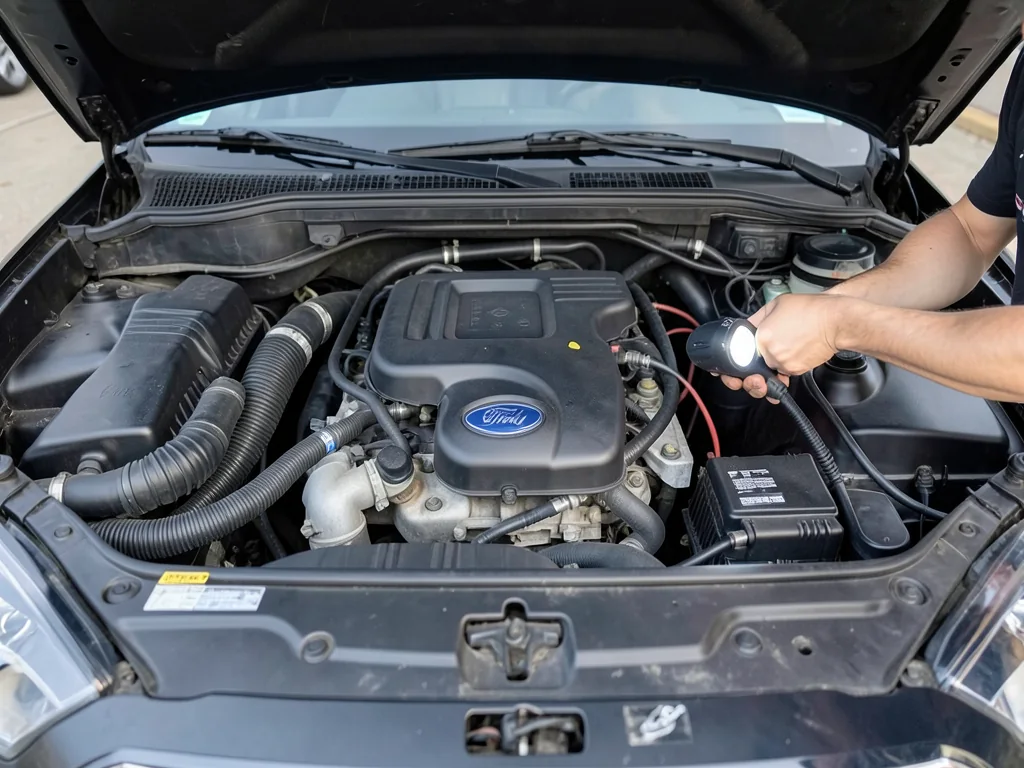
A Ford PCV valve meters positive crankcase ventilation, routing blow-by gases into the intake under vacuum. On Escape, Explorer, Focus, Fusion, and Ranger vehicles, the serviceable item may be a valve, PCV hose, oil separator, or integrated PCV assembly. Ford PCV valve replacement starts with engine identification because location and access change with year and powertrain.
Identify the Engine and Confirm What the PCV System Needs
Positive crankcase ventilation uses intake vacuum to draw crankcase gases through a control valve or oil separator and into the intake tract. On a Ford PCV valve circuit, the valve, PCV hose, seals, and separator all affect that path. A cracked hose or leaking valve-cover seal can admit unmetered air and create a vacuum leak, while a restricted separator can raise crankcase pressure and push oil past gaskets. Condition of every connection matters as much as the valve itself.
Before naming a location or part for PCV valve replacement Ford work, match year and engine identification to vehicle-specific service information. Rough idle, whistling, oil leakage, and higher oil use warrant inspection without proving a PCV fault. Engine off and cool, look for cracked hoses, loose fittings, and oil-soaked connectors. Crankcase pressure measurement and leak testing belong with a qualified technician. Confirm whether that Escape, Explorer, Focus, Fusion, or Ranger uses a separate valve or an integrated PCV assembly.
Locate the PCV Components on a 2013–2019 Ford Escape
A 2013 Ford Escape PCV valve location, a 2017 Ford Escape PCV valve location, and a 2018 Ford Escape PCV valve location each depend on the engine installed, not the door-sticker year. Within the 2013-2019 range, some Escape engines place a visible Ford Escape PCV valve or PCV hose near the valve cover, while others hide an integrated PCV assembly that is not obvious without an engine-specific diagram. Verified landmarks identify the valve or assembly and its hose routing.
A year stamp alone never establishes access or whether the 2017 Ford Escape PCV valve is a separate part. Use the engine diagram to distinguish crankcase ventilation connections; not every oil-vapor hose contains the PCV valve Ford Escape applications actually use. If a configuration is not confirmed in that diagram, do not assume a location from another Escape engine. Confirm whether the component is visible without disassembly, and treat unverified layouts as unknown.
Plan a Ford Escape PCV Valve Replacement
Ford Escape PCV valve replacement is not a parts swap until a fault is confirmed, the exact engine is identified, and service information shows whether the valve, oil separator, or integrated PCV assembly is the replaceable item. PCV valve replacement Ford Escape jobs also need matching seals and PCV hose connections, because a new valve on a cracked connector still leaks. When access requires a valve cover or assembly, the scope often warrants professional service.
Brittle hoses, damaged connectors, and leaking seals should be assessed with the valve, because replacing the Ford Escape PCV valve alone will not restore intake vacuum if those paths still leak. After service, confirm fittings are seated, look for fresh oil at joints, and note whether idle or consumption complaints remain. Persistent symptoms after a confirmed ventilation repair mean further diagnosis is required; crankcase pressure, vacuum leaks elsewhere, and oil-control issues can mimic a failed PCV valve and should not be ignored.
Check PCV Location and Replacement Scope on a Ford Ranger
Ranger service information has to start with the pickup's model year and engine, because a Ford Ranger PCV valve sits in different places across those configurations. After those are confirmed, use verified landmarks that show whether the PCV valve Ford Ranger applications use is a discrete valve, a PCV hose, or part of an associated assembly. Only those landmarks identify the serviceable item. Unverified layouts from other Ford trucks should not be substituted.
With the engine cool, inspect visible PCV hose routing for cracks, collapsed sections, and oil residue at fittings. Residue shows oil traveled the ventilation path; it does not confirm Ford Ranger PCV valve failure. Ford Ranger PCV valve replacement still requires part verification, access assessment, and post-repair checks for seated connections and remaining idle or leak complaints. No universal removal method or replacement interval applies to every Ranger.
Verify the Ford Explorer PCV Valve and Service Requirements
A Ford Explorer PCV valve location and the parts named for Ford Explorer PCV valve replacement both start with the Explorer's year and engine, not the SUV badge. After those are confirmed, identify the valve or integrated PCV assembly and the connected ventilation hoses from vehicle-specific information before discussing access. The PCV valve Ford Explorer engines use may sit at a valve cover, in an oil separator, or inside an assembly; discussing removal before that identification is guesswork.
Idle complaints, oil leaks, and ventilation noise call for diagnosis of the whole crankcase ventilation path rather than an automatic decision to replace PCV valve Ford Explorer hardware. A whistling hose, a leaking valve-cover gasket, or elevated crankcase pressure can produce the same complaints as a stuck valve. A repair estimate should name the diagnosed component, the associated seals, and any access work required to reach it. Estimates that list only a valve, without those related items, leave the actual job undefined.
Find the Correct PCV Service Information for Focus and Focus ST
A Ford Focus PCV valve and a Focus ST PCV valve are not interchangeable even though both wear the Focus name. Confirm the engine configuration first, then verify location and whether the PCV valve Ford Focus applications use is a separate valve or an integrated PCV assembly. Focus ST information applies only when that powertrain is confirmed; do not transfer a procedure between a Focus and a Focus ST based on the model name alone.
Damaged ventilation hoses or leaking valve-cover seals can create a vacuum leak and oil mist even when the valve still meters flow. Visual inspection cannot establish internal valve operation, so Ford Focus PCV valve replacement should follow a confirmed restriction, sticking, or documented ventilation fault. PCV valve replacement Ford Focus planning also includes hose and seal condition. Restricted access or unresolved idle and consumption symptoms after that work call for professional testing of crankcase pressure and intake vacuum.
Confirm PCV Valve Location and Replacement Needs on a Ford Fusion
A Ford Fusion PCV valve cannot be identified from the sedan name. Record the Fusion's year and exact engine or powertrain, then use verified service information for location, PCV hose routing, and whether Ford Fusion PCV valve replacement involves a separate valve or an integrated PCV assembly. The PCV valve Ford Fusion engines use may sit at a valve cover or with an oil separator. Until that layout is confirmed, neither access nor the correct part can be stated.
An oil leak or rough idle is a reason to inspect the ventilation path, not evidence that the Ford Fusion PCV valve has failed. Replacement is supported when diagnosis shows the valve or assembly is restricted, stuck, or leaking in a way that upsets crankcase pressure or intake vacuum, with related hoses and seals accounted for. Safe inspection is visual, engine off and cool. If symptoms remain after a confirmed ventilation fault is repaired, test remaining vacuum leaks and oil control rather than another unverified PCV valve Ford swap.