Ford Mustang wheel offset by year
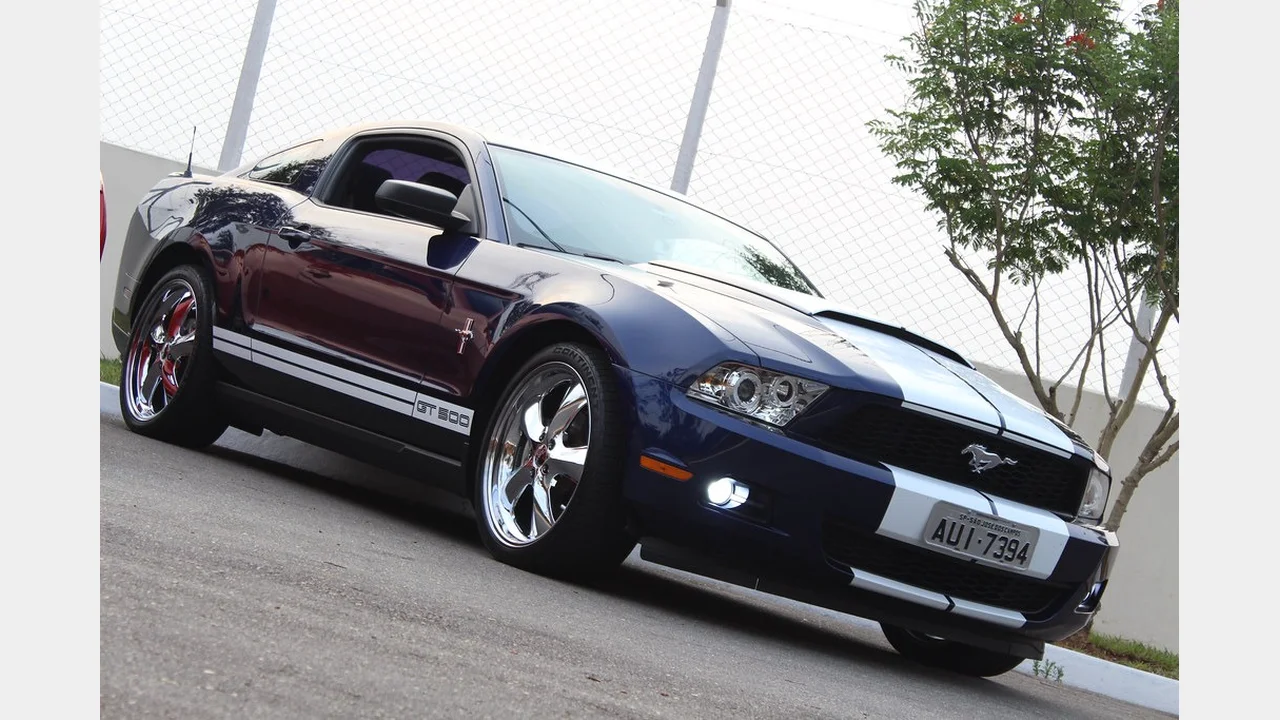
A wheel’s offset does more than position a Mustang’s tires inside the fenders; it changes steering feel, bearing load, and clearance against suspension parts. If you are comparing fitment across model years such as the 2014 Mustang wheel offset or a later Performance Package car, the number is only useful when read with rim width and overall tire diameter. Small offset shifts move the tire’s contact patch inward or outward, which alters scrub radius. The practical point is to keep the tire package within the range the factory suspension intended, especially where brake and strut clearances grow tighter on newer trims.
Essential answer
Offset is the distance between the wheel’s mounting face and the theoretical centerline of the rim barrel, usually expressed in millimeters. A common Ford Mustang fitment pairs an offset that keeps the tire near the factory track width so steering effort, clearance, and appearance remain predictable. This relationship explains why the 2014 Mustang wheel offset and earlier S197 applications favor a moderately positive number: the mounting pad sits outward of the barrel’s center. Once you understand that baseline, the later S550 questions become variations of the same dimension.
For researching Ford Mustang wheel offset by year, treat model-year searches as fitment groups rather than isolated specs. The 2010, 2011, 2012, 2013, and 2016 model-year questions all point to the same practical concern: whether a replacement wheel preserves hub placement, caliper clearance, and tire compatibility. This means a listed offset cannot be judged without rim width. A given offset on a wider rim may place the inner bead farther into the wheel housing, and that can affect clearance near the steering knuckle even when the centerline number appears unchanged.