Ford Fusion Spark Plug Replacement: Intervals, Types, and Access
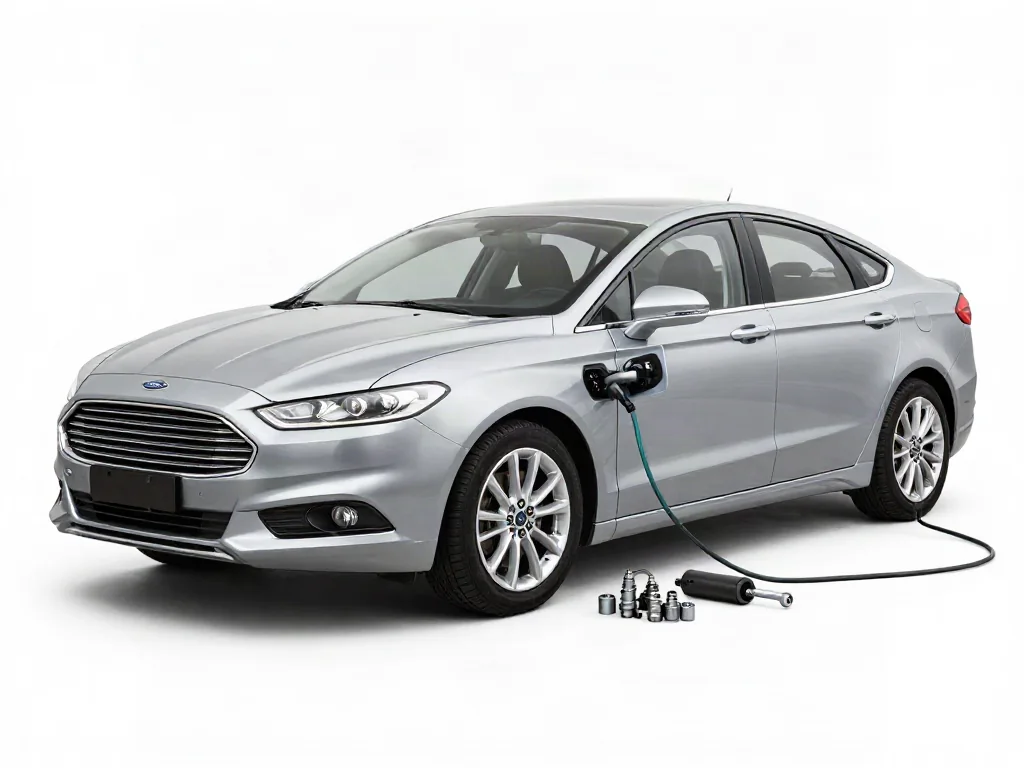
Choosing Ford Fusion spark plugs starts with the vehicle itself, not a generic parts bin. Spark plugs for Ford Fusion gasoline, EcoBoost, Fusion Hybrid, and Fusion Energi powertrains are application-specific, so year and engine identification come before any purchase or service plan. The owner's manual, underhood information, and a verified spark plug specification together prevent mixing parts across similar-looking engines. Access, replacement interval, and misfire diagnosis also vary, which is why a broad Fusion label is not enough.
Identify Your Fusion’s Year and Engine Before Selecting Plugs
Year and exact engine must be established before choosing plugs or planning service on a Fusion. Fusion model years spanned several gasoline layouts, EcoBoost turbocharged engines, Fusion Hybrid combinations, and Fusion Energi plug-in hybrids, and those families do not share a single spark plug specification. Engine identification should come from the owner's manual, the underhood emissions or engine label, and a VIN-based parts lookup rather than from memory. Those sources establish displacement, fuel system, and ignition design before any catalog search begins.
A shelf tag that simply reads spark plugs Ford Fusion is a starting filter, not proof of compatibility. Thread size, reach, heat range, and electrode design can differ between engines that share a nameplate, and Hybrid or Energi applications may use a different ignition layout than a comparable gasoline Fusion. Using a gasoline listing for an EcoBoost engine, or the reverse, risks poor seating or a mismatch with the ignition coils. Confirm the engine code and model year on the vehicle documents, then match that combination to the application chart.
Find the Applicable Spark Plug Replacement Interval
The spark plug replacement interval for a Fusion is published in the maintenance schedule for that model year and powertrain, not as a single number covering every Fusion. Gasoline, EcoBoost, Fusion Hybrid, and Fusion Energi engines can have different inspection and replacement guidance, so the owner's manual and any dealer-issued maintenance booklet for the identified vehicle are the documents to consult. Current mileage and a written history of prior plug service then show whether the scheduled interval has already been reached.
Missing invoices do not prove the original plugs are still in the wells, and they do not prove the plugs are overdue. A maintenance review that compares odometer reading, known service stamps, and the published schedule for that Fusion is the safer way to decide whether replacement is due. Rough running or a warning light is a separate path: those symptoms call for misfire diagnosis rather than an automatic plug change. A poor idle or a stored code does not by itself establish that the spark plug replacement interval has been exceeded.
Confirm Plug Type, Gap, and Application Specifications
Once the engine is identified, the spark plug specification for a Fusion should come from verified application data, not from a generic material claim. Part number, electrode material, heat range, thread diameter, and reach all have to match the engine, because a plug that is too long, too short, or in the wrong heat range can damage the combustion chamber or fail to transfer heat as designed. Labels such as platinum or iridium describe the electrode, not the full application, and they do not independently prove a given plug is correct.
The specified electrode gap belongs to the engine, and it should be checked against the application data rather than assumed from a similar plug. Some manufacturers ship plugs pre-gapped and advise against bending the electrode; others allow a careful check. Follow the plug maker's guidance for the part being installed, because forcing a gap change on a fine-wire iridium or platinum electrode can damage the tip. The number stamped on a removed plug is only supporting information, since a previous installation may have used an incorrect part.
Understand Engine Access and the Limits of Home Service
Engine layout determines where the plugs sit, how visible they are, and whether intake, covers, or other hardware block a clear path to the wells. A transverse four-cylinder Fusion, an EcoBoost engine with underhood plumbing, and a Fusion Hybrid or Fusion Energi package do not present the same access, so the identified engine should be confirmed before anyone plans a driveway job. Covers, ignition coils, connectors, and plug wells are part of the service path and may need to be moved or inspected using vehicle-specific procedures.
An owner-level look should stay at an engine-off visual check of readily accessible areas. Moisture in a plug well, cracked coil boots, damaged wiring, or oil residue around a well are useful observations to report, not invitations to force a stuck plug. Fusion Hybrid and Fusion Energi vehicles add high-voltage systems that require vehicle-specific shutdown precautions; work near those components belongs with qualified technicians. Restricted access, brittle connectors, or resistance during plug removal are reasons to use professional service rather than risk a broken plug or a damaged high-voltage connector.
Recognize Symptoms That Need Diagnosis Before Replacement
Rough idle, hard starting, hesitation under load, and a misfire warning can all involve the ignition system on a Fusion, but they do not automatically mean the plugs have failed. Ignition coils, wiring, fuel delivery, vacuum leaks, and mechanical conditions such as compression problems can produce the same driver-facing symptoms. Treating every stumble as a plug job can leave the real fault in place, especially if the replacement interval has not been reached or the installed parts already match the specification. Misfire diagnosis should compare those possibilities rather than starting with a parts swap.
A misfire code is a diagnostic starting point, not proof that a specific plug has failed. Manufacturer-dependent codes need vehicle-specific confirmation, because the same numeric identifier can point to a cylinder, a coil circuit, or a fuel-related condition depending on Fusion engine control strategy. Professional testing of coils, wiring, fuel trim, and mechanical health is required before any part is condemned. If the check-engine light flashes or the car shakes severely, stop safely and seek assistance rather than continuing to drive for observation, since an active misfire can risk converter damage.
Document the Service and Check for Unresolved Problems
The service record for Ford Fusion spark plugs should include the date, mileage, the installed plug part number, and findings such as oil in a well, a damaged coil boot, or unusual resistance during removal. The installer should use verified engine-specific installation specifications and the thread-treatment guidance that applies to that plug and cylinder head, because aluminum threads and coated plugs are not handled the same way on every engine. Guessed torque or improvised lubricant can loosen later or damage the head.
After service, check that the engine starts normally, idles evenly, and does not immediately relight a warning lamp. A brief improvement after new plugs is not proof of a complete repair, especially if misfire diagnosis never ruled out coils, wiring, or fuel delivery. If hesitation, rough idle, or a stored code returns, schedule follow-up testing instead of replacing additional parts by guesswork. Documenting that the symptoms persist keeps the next inspection focused on remaining causes.