Ford Focus and Fiesta Rough Idle: Causes, Checks and Fixes (2002-2015)
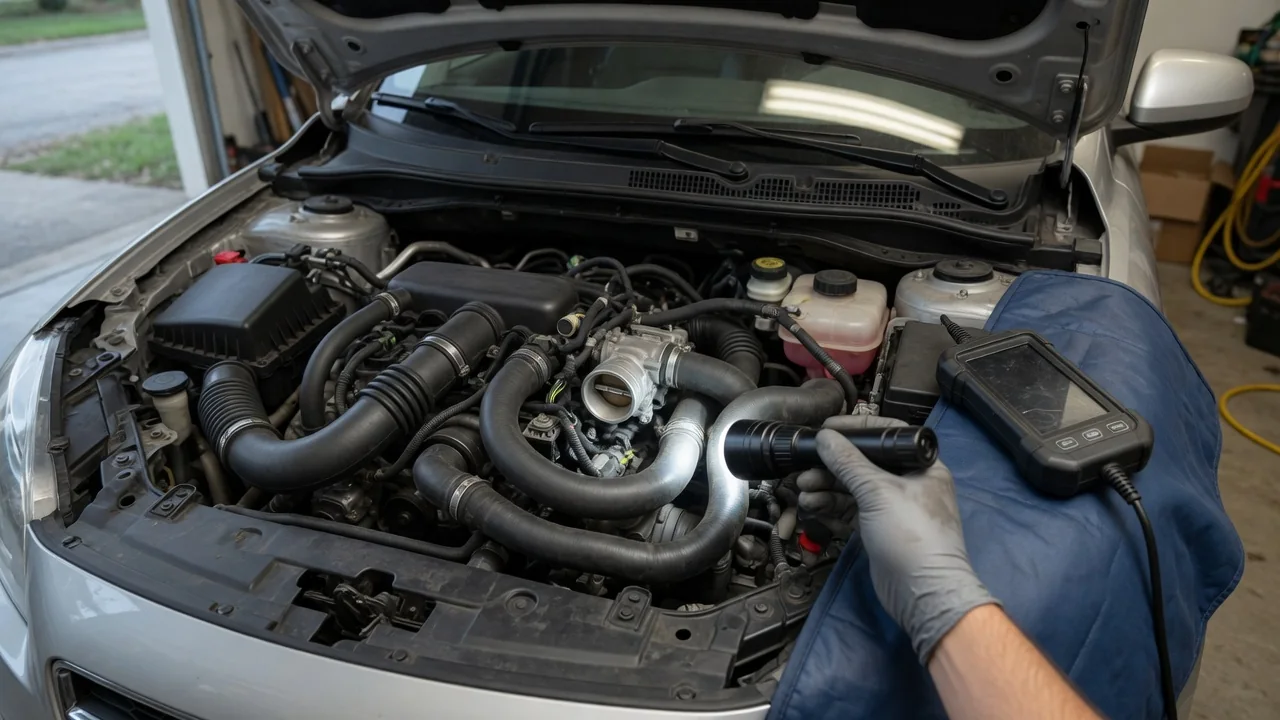
If your Ford Focus or Fiesta shakes at stoplights, hunts for idle speed, or sounds like it wants to stall, you are dealing with a rough idle. This common complaint spans the 2002-2015 model years, from Zetec and Duratec engines to later Ti-VCT and EcoBoost options. The cause can be a simple vacuum leak, a dirty throttle body, a failing ignition coil, or even worn mounts that mimic engine roughness. Because symptoms vary with engine temperature and load, careful observation is the first step toward a reliable fix without throwing parts at the problem.
What a Rough Idle Feels Like on a Focus or Fiesta and What to Note First
A rough idle on a Focus or Fiesta typically appears as shaking felt through the seat and steering wheel when stopped in drive or neutral. The tachometer needle may wander by 100-300 rpm, the exhaust note can become lumpy or uneven, and the car may shudder as if it is about to stall. Some owners report a rhythmic miss that smooths out as soon as the accelerator is pressed. Pay attention to whether the roughness is constant or comes and goes, because an intermittent stumble points toward different causes than a steady vibration.
Before inspecting anything, record the exact conditions. Note whether the engine is cold, at normal operating temperature, or only rough when warm. Check if switching the A/C on makes it worse, as the added load stresses weak ignition or low idle control. Observe whether the shaking occurs in park versus in gear, and whether it disappears once the car starts moving. Worn engine or transmission mounts can produce a similar low-frequency shake at idle even when the engine is running perfectly, so do not assume every vibration is misfire.
Rough Idle Only When the Engine Is Warm
Some rough idle faults only appear once the engine reaches operating temperature. Rubber vacuum hoses and intake boots can soften and expand with heat, opening tiny cracks that were sealed when cold. Ignition coils also become more prone to misfire as their internal windings heat up and resistance increases. A faulty coolant temperature sensor may send a plausible but incorrect warm reading, causing the engine computer to trim fuel incorrectly at idle. If the car starts smoothly and idles well for the first few minutes, then begins to stumble, heat-related causes move to the top of the list.
Track when the rough warm idle occurs. A car that idles poorly after a long highway drive but fine around town may be suffering from heat-soaked coils or a heat-affected vacuum leak. Short trips that never fully warm the engine may hide the problem until a longer drive. Live scan tool data is the only way to confirm a skewed coolant temperature signal; unplugging the sensor to guess is unreliable and can create other codes. Warm-only roughness narrows the possible faults but still requires testing to identify the actual failed component.
Checks for Early Focus Model Years (2002-2004)
Early Focus models from 2002-2004 have spent two decades building up brittle rubber and carbon deposits. Cracked vacuum lines, a split PCV hose, or a leaking intake manifold gasket can all introduce unmetered air that leans out the mixture and makes the idle unstable. Visually inspect every hose for dry rot, especially where they bend and connect to the intake. Flex the hoses gently with the engine off to reveal splits that are hidden when relaxed. A spray bottle with water can sometimes reveal a leak by momentarily smoothing the idle, but this is not a substitute for a proper check.
On these older cars, the idle air control valve and throttle body can accumulate oily carbon from PCV vapors. When the valve sticks or the throttle plate coking reduces bypass airflow, the engine computer struggles to maintain a steady idle speed. Cleaning the throttle body and idle air passages is a common fix, but the procedure and torque specifications differ between the Zetec and Duratec engines. Ignition wear items such as spark plugs, plug wires, and coil packs also degrade with age and should be inspected and tested according to the service interval for that specific engine.
Rough Idle on Later Focus Model Years (2008, 2009 and 2015)
The 2008, 2009, and 2015 Focus models use different engine families and engine management systems, so a repair that cured a 2002 Zetec will not automatically transfer. Later cars may have electronic throttle control, where the engine computer commands the throttle plate directly and there is no separate idle air control valve. A dirty throttle body on these systems can cause idle speed fluctuations or stalling because the learned throttle position no longer matches the actual airflow. Additionally, some 2012 and later Focus automatics suffer from clutch shudder at low speeds that can feel like a rough idle, though the engine itself is smooth.
To tell a true misfire from drivetrain judder, shift into neutral while stopped and see if the roughness changes. If the shake disappears in neutral but returns in drive, suspect transmission or mount issues. If the engine misfires, the roughness usually continues in neutral. On electronic throttle cars, after cleaning the throttle body, an idle relearn procedure is often needed so the PCM can re-adapt. Rather than guessing at regional service campaigns, owners should contact a Ford dealer with the VIN and ask if any engine calibration updates or technical service bulletins apply to their vehicle.
Rough Idle With No Check Engine Light
A rough idle often occurs without any illuminated check engine light. Small vacuum leaks may stay within the adaptive fuel trim limits and never set a code. Early or mild misfires can occur below the threshold that triggers a diagnostic trouble code but still cause a noticeable shake. A dirty throttle body or a sticky idle air control valve may not cause any electrical fault at all. Worn mounts also never light the MIL because they are purely mechanical. Therefore, the absence of a warning light does not mean there is nothing wrong.
Even with no MIL, a scan tool can reveal useful data. Pending codes, which are faults detected but not yet confirmed, may be stored. Mode 6 data on some Ford models shows misfire counts per cylinder. Short-term and long-term fuel trims can indicate a lean condition, such as positive trims that suggest the engine is adding fuel to compensate for unmetered air from a vacuum leak. However, fuel trim data alone only suggests a direction; it cannot locate the leak. Any code retrieved must be checked against the specific Ford service information for that year and engine, because definitions are not universal.
Common Fixes: Throttle Body, PCV System, Ignition Coils and Vacuum Leaks
Throttle body cleaning is one of the most common fixes for a rough idle on these cars. Over time, a sticky carbon film builds behind the throttle plate, reducing airflow at idle and causing the engine computer to hunt for a stable speed. Use a cleaner designed for coated throttle bodies and follow the manufacturer's procedure. On electronic throttle systems, manually moving the plate with the ignition on can cause damage or require a relearn. After cleaning, many vehicles need an idle relearn so the PCM can reset the base throttle position and adapt to the cleaned airflow.
The PCV system is another frequent culprit. A stuck PCV valve or a split hose creates a vacuum leak that lets air enter the intake after the mass airflow sensor, causing a lean condition and rough idle. Visually inspect the valve and hoses for cracks, oil residue, or collapsed sections, but remember that an internal valve failure may not be visible. Ignition coils and spark plugs can also cause rough idle, but never disconnect a coil or plug wire while the engine is running to test for a misfire; modern ignition systems can produce dangerous voltages and damage the PCM. For finding vacuum leaks, professional smoke testing is far more reliable than spraying flammable fluids around the engine bay. Replace parts only when evidence supports the diagnosis.
When a Rough Idle Needs Professional Diagnosis
Certain symptoms demand immediate professional attention. A flashing check engine light indicates a severe misfire that can overheat and destroy the catalytic converter. A strong fuel smell, visible smoke, overheating, stalling in traffic, or a rough idle that worsens quickly are all signs that the car should not be driven further. Continuing to operate with a dead misfire sends raw fuel into the exhaust, where it burns in the catalyst and can melt the substrate, turning a simple ignition repair into an expensive emissions system replacement.
A qualified shop has tools that most owners lack. Smoke testing pressurizes the intake with a visible vapor that finds even tiny vacuum leaks in minutes. Compression and leak-down tests can identify mechanical problems like burnt valves or worn piston rings that cause low-speed roughness. Fuel pressure testing can confirm whether a weak pump or clogged filter is starving the engine at idle. When you visit a technician, bring your symptom notes: when the roughness occurs, whether it is warm or cold, any codes you retrieved, and what you have already checked. That information can cut diagnostic time significantly.