Ford F-350 Locking Hubs: How to Get the Right Fit
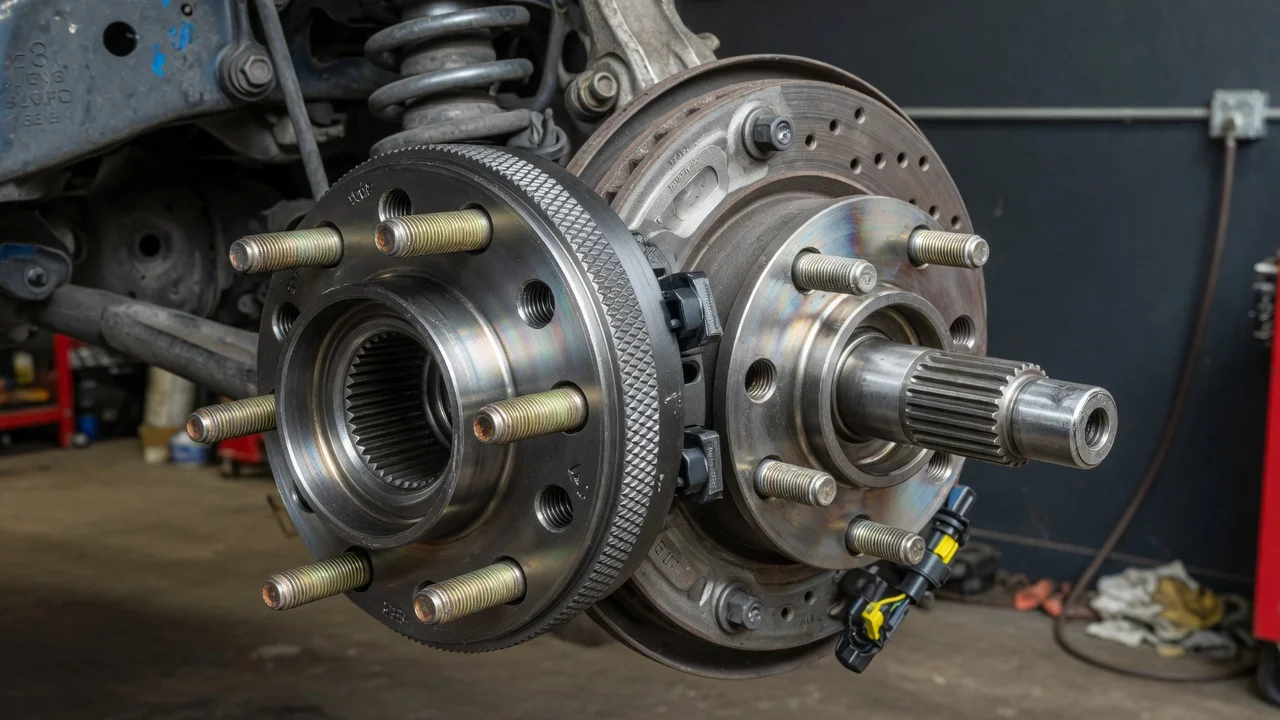
Shopping for F-350 locking hubs gets confusing fast. Ford has built the truck across several generations with different front axles, hub designs and four-wheel-drive systems. A hub that fits one F-350 can be the wrong part for another that looks almost identical. This guide explains how to identify what your truck uses, which details decide fitment, and how to confirm the right replacement before you order parts or start turning wrenches.
The Short Answer on Fitment
No single locking hub fits every Ford F-350. The correct part depends on the model year and generation, whether the truck is a 4x4 at all, which front axle it uses, and whether it came with manual locking hubs or automatic hubs. Automatic hubs engage on their own and are vacuum-actuated on many later trucks, often with a manual override dial. Two-wheel-drive F-350s have no front locking hubs. For a 4x4, match the replacement to your exact vehicle configuration using the VIN or the factory part number. The F-350 name alone is not enough to confirm fit.
If you are replacing a worn or broken hub with the same type, fitment mostly comes down to confirming the generation and hub style. Changing hub types is a bigger question. Converting from automatic to manual hubs, for example, can involve additional parts and sometimes changes to how the 4x4 system engages.
How Locking Hubs Work on a 4x4 F-350
On a part-time four-wheel-drive truck, the front axle shafts connect to the differential, but the front wheels spin on their own wheel hubs. The locking hub is the coupling between the two. When the hub is unlocked, the wheel turns freely. In two-wheel drive, the axle shafts, front differential and front driveshaft can then sit mostly still, which reduces drag and wear on those parts. When the hub is locked, a splined clutch ring or sleeve inside it connects the outer splines of the axle shaft to the wheel hub, so engine torque can reach the front tires.
Manual hubs are locked and unlocked by turning a dial on the hub face, usually marked LOCK and FREE. Automatic hubs do the same job without the driver getting out. On many F-350s, the four-wheel-drive system engages them with vacuum, and the dial typically offers an AUTO position plus a LOCK override. Every hub must mate correctly with the axle shaft splines and bolt correctly to the wheel hub or bearing assembly behind it. Those dimensions matter more than the name on the truck.
What Changes Which Hub Fits
Generation and model year are the first filter. The F-350 has been built on several platforms over the decades, and the Super Duty trucks introduced in the late 1990s use different front hub hardware from earlier F-Series models. Changes within a generation can also affect parts. If a hub listing shows a break in its year range, check it against the build date of your truck.
Hub type is the second filter. A truck with factory automatic hubs and an electronic shift-on-the-fly transfer case relies on the system that engages those hubs. On these trucks, swapping in manual hubs is not always a simple bolt-on. Depending on the generation, vacuum lines may need to be capped or a conversion kit may be required. Trucks with a floor-shifted manual transfer case typically use manual hubs. Other fitment details include the axle shaft spline count, the number and spacing of the hub mounting bolts, and whether the hub bolts to a sealed hub bearing assembly or to a serviceable hub with separate bearings. Lift kits, axle swaps or modifications by a previous owner can also mean the truck no longer matches its original factory build.
Operating conditions shape the choice of replacement as well. Owners who tow heavy loads, plow, or often drive in mud, sand or snow may prefer the direct control of manual hubs. Owners who use four-wheel drive only occasionally may value the convenience of automatic engagement. Neither preference changes the fitment rules above. It only affects which compatible option makes the most sense.
How to Identify and Order the Right Hubs
Start with what is on the truck now. Look at the hub face: a dial marked LOCK and FREE indicates manual hubs, while AUTO and LOCK suggests automatic hubs with a manual override. Note any brand or part markings on the hub body. Then count the bolts holding the hub to the wheel hub, removing the center cap first if one is fitted. The door-jamb certification label shows the build date, and a parts counter or dealer can use the VIN to look up the original equipment. Service history records can show whether hubs, axle shafts or bearings were replaced before.
When ordering, give the seller the year, VIN, drivetrain, transfer case type and current hub type, and ask them to confirm the part against that information. Before installing, compare the new hub with the old one. The bolt pattern, spline engagement, overall depth, and any O-rings or seals should match. If both old hubs are worn, many owners replace them as a pair so that both sides engage the same way.
Signs a Hub Needs Attention
Inspect a locking hub if it will not engage, engages on only one side, pops out of lock under load, grinds when you turn the dial, or clicks in four-wheel drive. On automatic hubs, failure to lock can come from the vacuum supply or seals rather than the hub itself, so replacing the hub without checking that system may not fix the problem. Manual hubs often become stiff or slip because of water intrusion, corrosion or worn internal splines. Until you find the cause, avoid relying on four-wheel drive where losing front traction could be dangerous.
Owners can make some basic checks. Turn each manual dial through its full range. Make sure both hubs are set the same way before shifting into four-wheel drive. Confirm that the front axle actually pulls by driving at low speed on a loose surface. Your owner's manual explains how to engage four-wheel drive on your truck and how often to use it, and its maintenance schedule covers related front axle service. Follow those instructions, since they vary between trucks.
Limitations and When to Get Help
This guide explains how F-350 locking hub fitment is determined. It does not give part numbers for a specific truck. Ford's manufacturer specifications, a VIN lookup and the factory service information for your model year are the authority on torque values, bearing procedures and hub compatibility. Listed fitment and availability also differ between suppliers, so treat any catalog listing as a starting point to verify, not a guarantee.
Professional help is worth it in several situations: automatic hubs that will not engage, a planned conversion to manual hubs, a modified axle or suspension, or worn bearings, damaged splines or seized hardware found during removal. A qualified mechanic can inspect the whole front driveline, confirm the correct parts, and set bearing preload or torque to specification. That protects both the new hubs and the rest of the front axle.