Ford F-150 Shift Lock Release: Find the Instructions for Your Model Year
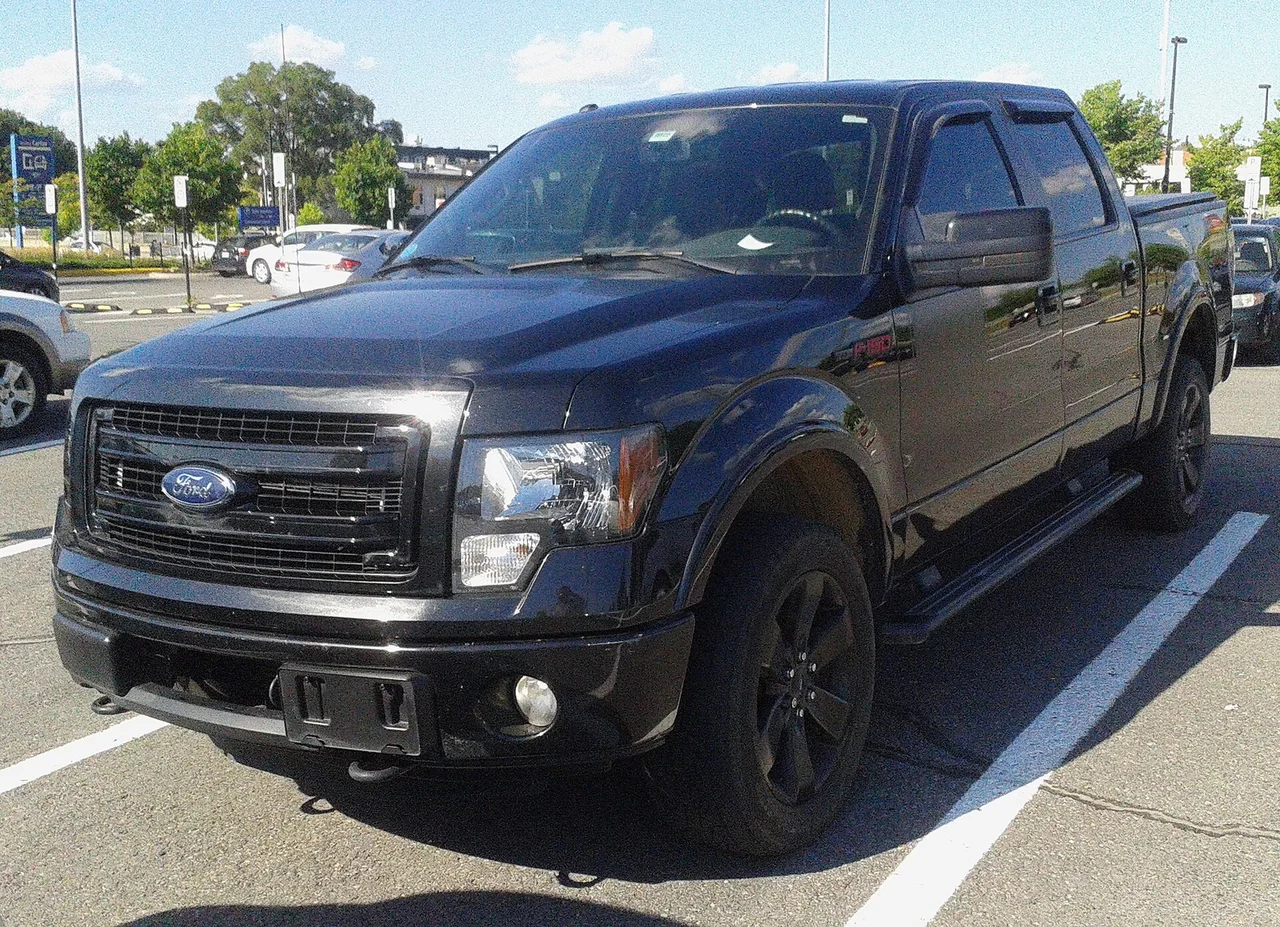
When an F-150 is stuck in park because the battery is dead or the lever will not release, the shift lock release lets you move the transmission out of park by hand. Where that release sits, and whether your truck has one at all, depends on the model year and shifter design. This guide explains how to identify your setup, what the override does and when a locked shifter points to a problem worth diagnosing.
The short answer for most F-150 owners
Trucks with a mechanical shifter, on the column or in a floor console, have a manual override for the brake-shift interlock. On column shifters it is usually behind a small cover or opening on the lower steering column shroud. On floor console shifters it is typically under a small trim cap next to the lever. With the parking brake set and the ignition off, you insert a key or small flat screwdriver as the manual directs, hold the release down and move the lever to neutral. Newer F-150s with electronic shifting do not use a mechanical release slot in the same way. Their owner's manual describes an electronic method for selecting neutral, which usually requires working 12-volt power.
The exact steps for your truck are in the owner's manual, usually under the brake-shift interlock, the transmission or towing sections. Cover locations and whether a trim panel must come off differ between generations, so follow the manual for your exact model year rather than a video made on a different truck.
How the brake-shift interlock works
The brake-shift interlock prevents the lever from leaving park unless the ignition is on and the brake pedal is pressed. On mechanical shifters, a small solenoid controls a lock pin or pawl that blocks the lever. When the brake pedal switch signals that the pedal is pressed, the solenoid releases and the lever can move. The override is a mechanical bypass: pressing it physically moves that blocking piece out of the way.
Because the interlock depends on electrical signals, anything that interrupts them can leave the lever locked. Possible causes include a discharged battery, a blown fuse, a faulty brake pedal switch, damaged wiring or the interlock solenoid itself. The override fixes none of these; it simply lets you move the truck, for example onto a flatbed or into a service bay. On shift-by-wire trucks, the shifter is essentially a switch that sends a request to the transmission control system, so there is no cable or lock pin to bypass by hand.
What changes the answer
Shifter design matters most. Many F-150s were built with column shifters, while some trims and years used a floor console shifter, and each has a different override location. Generation also changes trim panel design, so on some trucks the access point is a removable cap, while on others you may need to remove a lower steering column cover to reach the release lever.
Transmission type affects what happens after the lever moves. Older four-speed automatics, the six-speed 6R80 and the ten-speed 10R80 all use the same basic park-lock principle, but towing and neutral guidance varies, especially on four-wheel-drive trucks where transfer case position matters. Hybrid and electric versions, along with any truck using electronic shifting, rely on vehicle electronics to select neutral. A dead 12-volt battery may need to be charged or jump-started before neutral can be engaged at all. Confirm your exact transmission and configuration before following any procedure.
What the owner can do
Before using the override, set the parking brake firmly and chock the wheels if the truck is on any slope, because it can roll once it is out of park. Turn the ignition off, locate the access point shown in your manual, use the tool it specifies, hold the release and move the lever to neutral. Do not force the lever or pry on trim beyond what the manual shows; broken clips and cracked covers are a common result of guessing. On a grade, vehicle weight resting on the parking pawl can make the lever feel stiff even when the interlock is released, which is a mechanical load rather than an electrical lock.
Next, gather simple observations that help diagnosis. Have someone check whether the brake lights come on when you press the pedal; if they do not, the brake light circuit, including its fuse and the pedal switch, deserves attention because it can also feed the interlock. Note whether the lock happens every time or only occasionally, whether the battery has been weak, and whether warning messages or diagnostic codes appear. Consider service history too: recent work near the steering column, console or brake pedal can disturb connectors. Also note any change in shift behavior once the lever moves, such as unusual stiffness or a lever that does not line up with the gear indicator, which may point toward the shift cable or linkage. These clues narrow the search but do not confirm which part has failed.
Limitations and next step
The override is meant for moving a disabled truck, not as a daily workaround. Owner's manuals generally advise having the system checked as soon as possible if the interlock does not release normally. If the root cause is in the brake light circuit, driving around the problem can also mean driving without working brake lights, which is a safety risk for you and the traffic behind you.
If the brake lights work, the battery is healthy and the lever still locks, have a technician scan for codes and test the switch input, solenoid operation and wiring before replacing parts. On electronic-shift trucks, avoid taking the shifter apart; neutral and tow modes depend on the correct electronic procedure. If you are unsure of your exact configuration, the VIN and build information from the window sticker or dealer records confirm fitment, so any replacement parts and repair options match your truck.