Ford F-150 Prerunner Suspension Kits: Choosing an Off-Road Setup
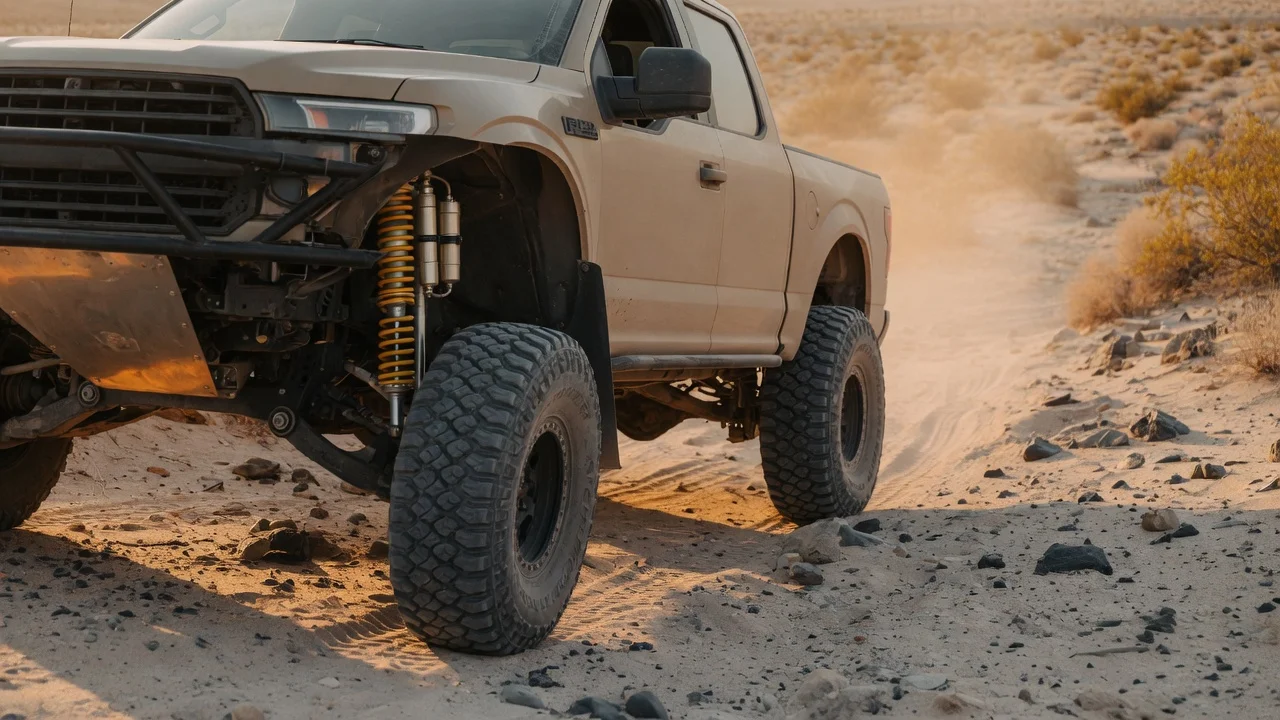
A prerunner suspension kit changes how an F-150 uses its travel, especially in sand, whoops, and rutted dirt. The useful starting point is knowing your truck's generation, drive type, and current suspension condition, because those details decide which kit types fit and how much fabrication or alignment work is involved.
Before you start
Confirm the model year, cab configuration, engine, and whether the truck is two-wheel drive or four-wheel drive. Kits may be listed for specific F-150 generations or suspension designs, and fitment can differ between coil-over and control-arm layouts. Check the current condition of the ball joints, bushings, steering components, and shock mounts before ordering or installing parts. A kit works on the vehicle itself, but some steps such as welding, alignment, or spring compressor use require a shop or specialized equipment.
Step-by-step instructions
Start with a fitment check. Match the kit part number to the exact F-150 year and drive configuration, and note whether the front and rear components are sold together or separately. Measure the current ride height and record the front track width so you have a before-installation reference.
Inspect the intended mounting points. On an F-150, the front suspension may use a coil-over shock package that replaces the factory spring and shock as one assembly, with upper and lower control arms controlling movement. Look for cracked brackets, worn bushings, or damaged hardware that should be replaced with the kit.
Remove the factory front spring and shock assembly using the service procedure for your model year. Keep the vehicle supported and avoid loading the suspension while the fasteners are loose. If the kit includes longer control arms or a different knuckle, follow the torque sequence in the installation guide and replace one-use hardware.
Install the new front coil-overs or shock and spring combination at the same mounting position. Set the initial ride height by adjusting the spring seat to the kit builder's listed setting, not to an arbitrary lift amount. Reconnect the sway bar links and brake line brackets, and confirm that hoses or wiring are not stretched at full droop.
Move to the rear only if the kit includes rear springs, shackles, or shocks. A prerunner setup may keep the factory leaf springs and change the rear shock length, or add a shackle and hanger change for more droop. Confirm that the rear shock's compressed and extended lengths match the new travel range before final tightening.
Tighten all suspension bolts with the truck at normal ride height where the instructions require it. Then set the front alignment. Caster, camber, and toe can change after installing taller springs or longer arms, and a truck that is not aligned may steer inconsistently on graded roads.
Check the output
Check the front and rear ride height on level ground and compare it with the kit's expected setting. Inspect the suspension through the steering range from full left to full right, watching for tire contact with the fender, control arm, or brake line. Drive at low speed over a straight surface and a moderate bump to listen for clunks or contact that would indicate a loose mount or incorrect shock length.
Confirm the alignment report shows settings appropriate for the new kit, not just factory-style numbers. The result you can verify is mechanical fit and proper adjustment. Ride quality, travel gain, and off-road improvement depend on the specific spring rate, shock tune, and vehicle weight and should be judged after safe testing rather than claimed from specifications.
Common problems and next steps
One common issue is ordering a kit that fits a different F-150 front suspension generation. If the upper shock mount or lower control arm style does not match, do not force the parts. Return or exchange the kit before modifying the mounts.
Another problem is harsh street ride after fitting a long-travel setup. This can come from high spring rates, a shock tune intended for race-style use, or insufficient rebound control. Changing the shock settings or spring rate may help, but confirm the cause before buying another component.
If the tires rub after installation, check the wheel offset, tire diameter, and ride height together. A proper aftermarket wheel should be sized for the new suspension geometry. If you also want stronger performance in sand or rough terrain, consider a matching set of front and rear shocks and a tire and wheel package that fits the kit's travel range.
For trucks that will be driven hard, inspect the suspension after the first off-road outing. Look for loose hardware, leaking shocks, or signs of contact at the bump stops and limiting straps. If the truck pulls or wanders after a trip, recheck the alignment and the condition of the steering components.