Ford F-150 Parking Brake Actuator: Identifying the Correct Part
Shopping for a Ford F-150 parking brake actuator starts with one question: which kind of parking brake does your truck actually have? Depending on the model year, the part may be an electric motor bolted to the rear caliper or a mechanical pedal-and-cable system under the dash. This guide explains how to tell them apart, which details narrow down the correct part, and when a parking brake fault calls for professional service rather than a parts order.
Which F-150 parking brake actuator fits your truck
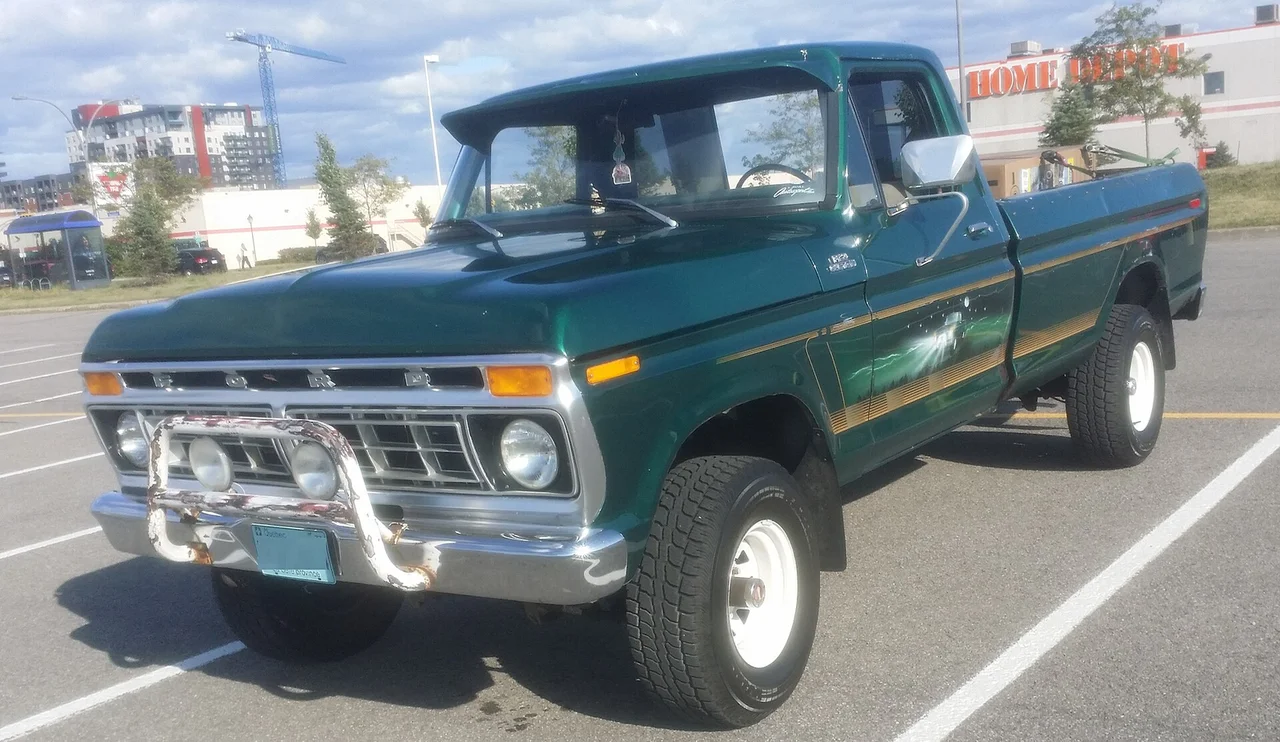
For most owners searching for this part, the F-150 parking brake actuator is the electric motor used on trucks with an electronic parking brake, which arrived with the F-150 generation that began in the 2021 model year. On these trucks an actuator is mounted to each rear brake caliper and applies the rear brakes when you operate the parking brake switch. Earlier F-150s use a foot pedal that pulls cables to small brake shoes inside the rear rotors, so there is no electric actuator to replace. The equivalent parts on those trucks are the pedal assembly, the cables and the shoes. Because brake hardware varies within the same model year, the dependable way to find the correct actuator is to look it up by your vehicle identification number. Then confirm the side of the truck, the rear brake package, and whether the part is sold on its own or only with a complete caliper.
How the parking brake actuator works
With an electronic parking brake, the switch is only a request. A control module checks conditions and then powers a small motor on each rear caliper. Inside the actuator, a gear reduction turns a spindle that screws the caliper piston outward, pressing the brake pads against the brake rotors mechanically. This clamping force does not depend on brake fluid pressure, which is why the parking brake still holds with the engine off. To release, the module reverses the motors and the spindle backs off, letting the piston and pads relax away from the rotor.
Because the actuator works through the same pads, rotors and caliper as the service brakes, a holding problem is not always the actuator's fault. Pads worn close to their wear limits, contaminated friction material or a sticking caliper can reduce holding force or trigger a parking brake warning. Equally, a motor can fail electrically or a corroded connector can cause faults while the friction parts are in good condition. Separating these causes before buying parts avoids replacing a working actuator.
On older F-150s with a foot pedal, the system is entirely mechanical. The pedal ratchets and pulls a front cable, an equalizer splits the force between two rear cables, and each rear cable expands a pair of shoes against a drum surface inside the hat of the rear rotor. Stretched cables, seized cable ends or worn shoes are the usual reasons such a system stops holding, and correct adjustment matters as much as the parts themselves.
What changes the correct part
Model year is only the first filter. Trucks built near a generation changeover, special variants such as the Raptor and the electric Lightning, and trucks with heavier payload or towing equipment can use different rear caliper and rotor sizes. When the caliper differs, the actuator, its mounting and its connector may differ too, even if a catalog lists the same year and engine. The build date on the driver door label and a VIN-based lookup at a dealer parts counter are the most reliable ways to settle vehicle fitment for a specific truck.
Side matters as well: left and right actuators are commonly mirror images and are not interchangeable, so check whether a listing is for the driver or passenger side. Some suppliers sell the motor alone, with a seal and mounting screws, while others offer it only as part of a complete caliper assembly. A complete caliper means opening the hydraulic system, which adds brake fluid handling and bleeding to the job. After replacement, the system may also need to be cycled or calibrated with a compatible scan tool before it operates normally; the exact procedure depends on the vehicle's service information.
What the owner can do before ordering
Start by noting exactly what the truck reports. A message about a parking brake fault, a warning lamp, or a parking brake that applies on one side only gives useful direction. With a scan tool that can read the parking brake module, stored codes often point to a specific side or to an electrical circuit rather than a mechanical failure. With the truck on level ground and in Park, you can usually hear each motor run briefly when the brake applies or releases; silence from one side narrows the search. Inspect the connector at each caliper for damage, loose locking tabs or corrosion.
If the rear brakes need attention, check pad thickness and rotor condition against the wear limits in the service information. Never force the piston back into an electronic parking brake caliper with a clamp or press tool, as is done on conventional calipers. The piston must first be retracted electrically using the maintenance or service mode, either through a scan tool or the procedure described for your truck. Forcing it can damage the actuator's internal gears and create the very fault you were trying to avoid.
When ordering, have the VIN, build date and side ready, and compare the new part with the old one before installation: the connector shape, the number of mounting screws and the fit of the drive into the caliper should match. If the parking brake will not hold in the meantime, keep the transmission in Park, chock the wheels on any slope and avoid parking on steep grades.
Limitations and when to get professional help
This guide cannot give a part number or confirm fitment for an individual truck, because Ford has used different rear brake hardware across trims, packages and production periods. Torque values, retraction and calibration steps also come from vehicle-specific service information, and they should be followed rather than estimated. A failed actuator can leave the truck without a dependable parking brake, and a mistake during installation can affect the service brakes that share the same caliper.
Stop using the truck and arrange professional service if the brake pedal feels different, a service brake warning appears alongside the parking brake message, a rear brake drags or overheats, or the fault returns after replacement. A shop with a scan tool that supports the parking brake module can confirm whether the actuator, the wiring, the module or the friction parts are the real cause before you buy parts.