Ford F-150 Maintenance: Planning Routine Service
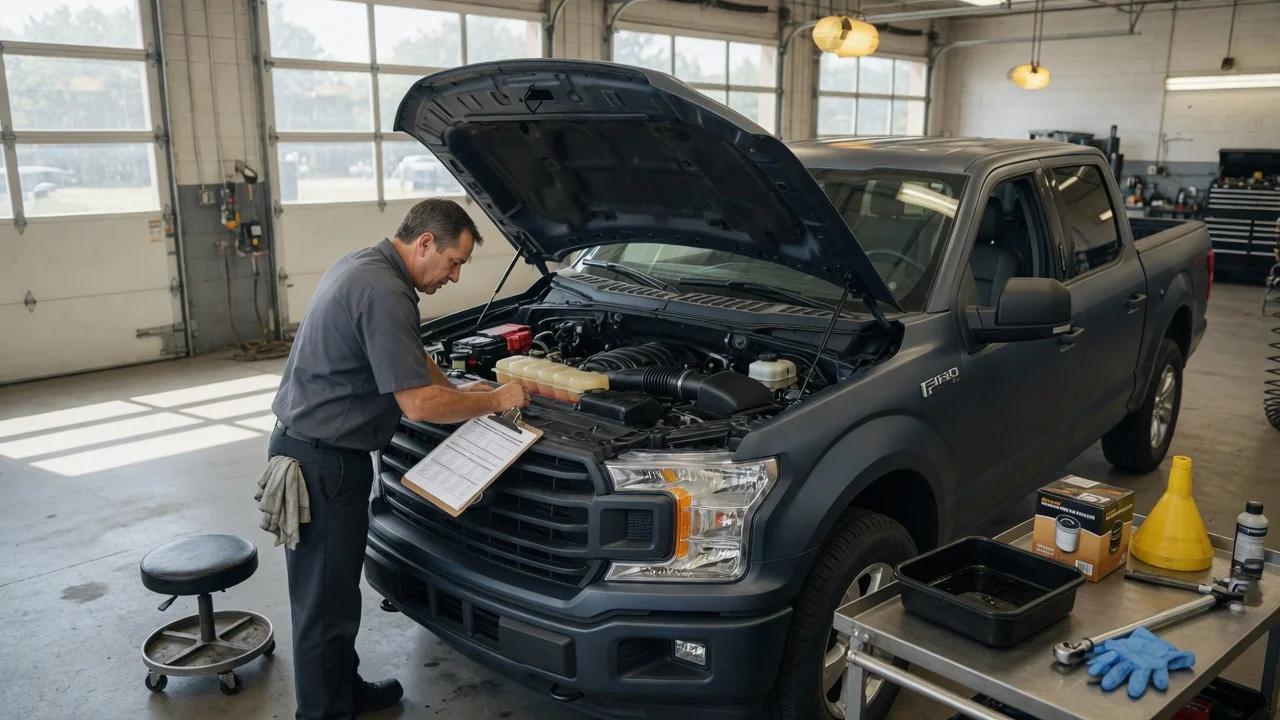
What Ford F-150 maintenance means in practice
Routine Ford F-150 maintenance is the scheduled work that keeps the truck safe, reliable, and within its expected operating condition. The essential answer is that maintenance for this model is planned around recurring service intervals rather than a single fixed menu, because the correct work depends on model year, engine, drivetrain, and how the truck is used. A lightly driven V6 or V8 used for commuting has different wear patterns from a turbocharged engine doing frequent towing or dusty off-road work. Maintenance covers fluids, filters, wear items, brakes, tires, belts, and inspections that identify problems before they become breakdowns.
Why the maintenance plan is not identical for every F-150
The Ford F-150 has been offered with several powertrains across generations, including naturally aspirated gasoline engines, turbocharged EcoBoost engines, diesel options in some generations, and hybrid and fully electric variants in newer trucks. This matters for maintenance planning. For example, turbocharged engines place greater demand on engine oil and cooling-system condition, while a hybrid adds high-voltage system inspections and a battery that may require periodic cooling-system attention. A diesel engine, where applicable, brings fuel-filter and emissions-system service that a gasoline truck would not have.
The owner’s manual and the applicable maintenance schedule for the specific model year and powertrain should be treated as the controlling source. Specifications for oil grade, fluid capacity, filter type, and interval differ between engines, and using the wrong specification can affect coverage under warranty or engine life. Where published documentation is unclear, a dealer service department or qualified independent shop can confirm the correct schedule for the truck’s exact configuration.
Core routine service items
Most Ford F-150 maintenance plans repeat a set of core items. Engine oil and filter changes are the most frequent service, followed by tire rotation and inspection. Air filters for the engine and cabin are replaced at longer intervals, while brake fluid, transmission fluid, coolant, transfer case fluid, and front and rear axle fluid are checked and eventually replaced on a longer schedule. Brake pads and rotors are wear items that are inspected during routine service and replaced when measurements show they are near their service limit.
Engine oil and filter replacement; Tire rotation and tire condition check; Brake inspection and fluid checks; Engine air filter and cabin air filter replacement; Coolant, transmission, transfer case, and axle fluid service; Battery, belts, hoses, and lighting inspection
How driving conditions change the schedule
Ford commonly distinguishes normal service from severe-duty or special operating conditions. Towing, carrying heavy loads, frequent idling, stop-and-go driving, operation in extreme heat or cold, dusty roads, and off-road use can shorten some intervals. In those conditions, more frequent oil changes, transmission service, differential fluid replacement, and filter checks may be required. A truck used primarily for highway travel with moderate loads can generally follow the standard schedule, while a work truck or frequent tow vehicle should be treated as operating under the more demanding rules.
Planning service around predictable milestones
A practical approach is to group maintenance by milestone rather than handling each item separately. At oil-change intervals, include a tire rotation and a basic inspection of brakes, suspension, and fluid levels. At larger milestones, plan for filters, spark plugs where applicable, coolant, transmission service, and driveline fluids according to the schedule for the specific truck. This reduces shop visits and makes it easier to keep records.
Maintenance area | Planning approach; Engine oil and filter | Most frequent service; follow engine-specific interval and oil specification; Tires | Rotate during routine visits; check tread depth and pressure; Brakes | Inspect regularly; replace by measured wear, not only by mileage; Engine air and cabin filters | Longer-interval replacements; shorten in dusty or severe use; Coolant and driveline fluids | Scheduled replacement at extended milestones; check for leaks and condition
Record keeping and owner responsibilities
Keeping service records is useful for warranty support, resale value, and diagnosing future problems. Records should include the date, mileage, work performed, parts and fluid specifications used, and the shop that performed the service. Owners can also monitor tire pressure, fluid levels, warning lights, unusual noises, and leaks between scheduled visits. A change in oil consumption, coolant level, or brake feel is worth checking before the next routine appointment.
Practical next step
The strongest next action is to identify the truck’s model year, engine, drivetrain, and typical use, then obtain the matching maintenance schedule from the owner’s manual or a dealer service source. From there, build a simple calendar by mileage or time, group related items, and keep dated records. Where the exact interval for a particular powertrain or severe-use condition is not available in the consulted documentation, confirm it with a qualified Ford service provider rather than guessing.