Ford F-150 Brake Vacuum Pump: Finding the Correct Part for 2011–2014
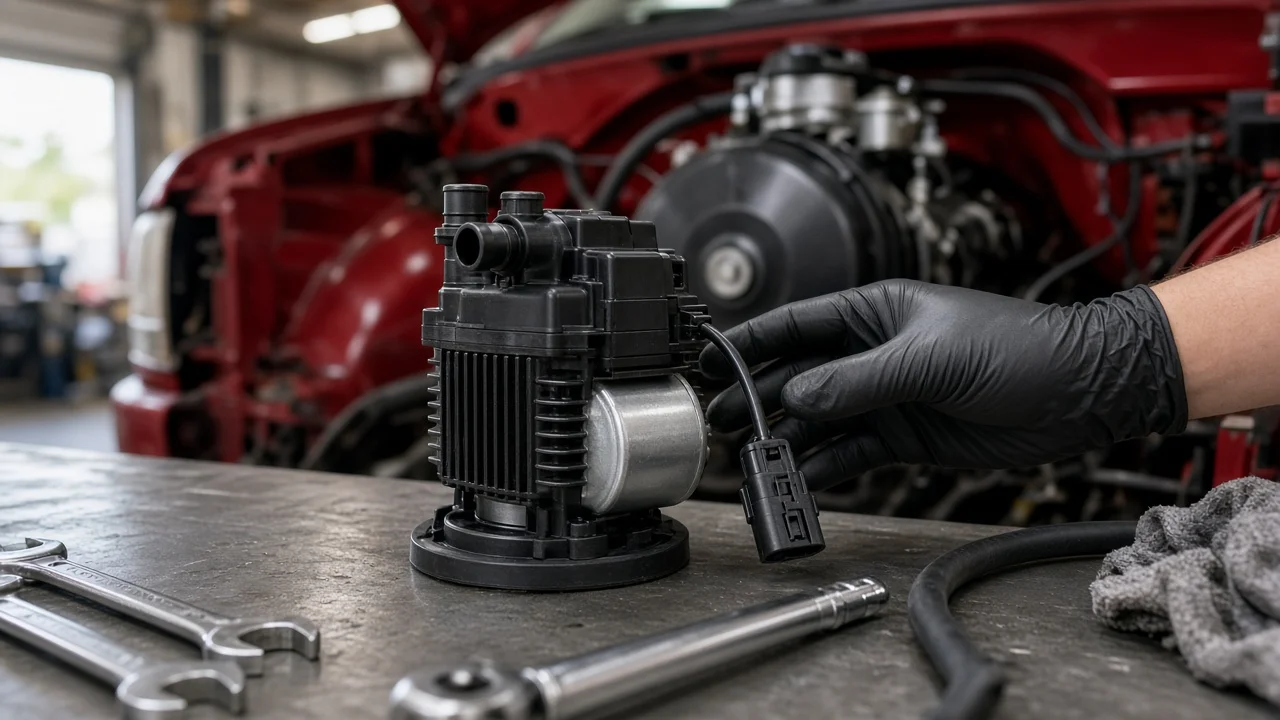
If your 2011–2014 Ford F-150 has a hard brake pedal or a warning related to brake vacuum, the auxiliary vacuum pump may be involved. Not every truck from these years has one, and the correct replacement depends on the engine and the exact build. This guide explains which trucks use the pump, how it supports the brake booster, what to check before buying, and when the truck should stay parked until it is professionally inspected.
Which 2011–2014 F-150 Trucks Use a Brake Vacuum Pump
In this F-150 generation, the auxiliary brake vacuum pump is mainly associated with the 3.5L EcoBoost twin-turbo V6. Turbocharged direct-injection engines produce less intake manifold vacuum than naturally aspirated engines, and under boost they produce none at all. Because the brake booster depends on vacuum, Ford supplements it on these trucks with an electrically driven pump. The naturally aspirated engines offered in the same years generally rely on engine vacuum alone, but equipment can differ by build, so treat engine size as a starting point rather than final proof.
Whether you are shopping for a 2011, 2012, 2013 or 2014 F-150 brake vacuum pump, the reliable way to find the correct part is a VIN-based lookup through a Ford parts counter or a catalog that decodes the VIN. A listing that says it fits 2011–2014 may still carry notes about engine, production date, connector style or mounting bracket. Compare the part number printed on the original pump, if it is legible, with the replacement before installation.
How the Vacuum Pump Supports Your Brakes
The brake booster sits between the pedal and the master cylinder. Inside it, a diaphragm has vacuum on one side. When you press the pedal, a valve lets atmospheric pressure into the other side, and the pressure difference adds force to your foot. The master cylinder then pushes brake fluid to each caliper, which clamps the brake pads against the brake rotors.
On an engine that cannot always supply enough vacuum, the auxiliary pump fills the gap. The system typically monitors booster vacuum through a sensor, and the control module switches the pump on when vacuum drops below a set level, such as during a cold start, at high altitude or under boost. A one-way check valve holds vacuum in the booster. If assist is lost, the hydraulic brakes still work, but the pedal becomes much harder and stopping distances grow unless you push far harder than normal.
What Changes the Answer
Engine type matters most, but it is not the only factor. Parts can be revised during a model run, so two trucks from the same year may use different pump versions, connectors or brackets. Operating conditions also change how hard the pump works: frequent short trips, cold weather, altitude and towing all increase demand for supplemental vacuum, which can make a weak pump show symptoms sooner.
Symptoms also do not automatically point to the pump. A hard pedal can come from a cracked vacuum hose, a failed check valve, a leaking booster diaphragm, a faulty vacuum sensor, a wiring or connector fault, or a blown fuse or failed relay in the pump circuit. Replacing the pump without checking these items can leave the real fault in place. Pedal feel helps narrow things down: a hard, high pedal suggests reduced vacuum assist, while a soft or sinking pedal points toward the hydraulic side, such as air in the brake fluid or a leak. Worn brake pads, glazed friction material or damaged rotors cause their own noises and braking complaints, but they are separate from booster assist.
What the Owner Can Do
Start with simple observations. With the engine off, press the brake pedal several times to use up stored vacuum, then hold light pressure on the pedal and start the engine. On a healthy system the pedal usually drops slightly as assist builds. On an EcoBoost truck, you may also hear the pump run briefly after start-up. A pump that never runs, or one that seems to run constantly, is a useful clue, since constant running can indicate a vacuum leak the pump cannot keep up with.
Next, inspect what you can safely reach: vacuum hoses for cracks, collapsed sections or loose fittings, and the pump connector for corrosion or damage. A scan tool able to read powertrain and brake-related codes can show whether the system has logged a vacuum sensor or pump circuit fault. When ordering, record the VIN, engine and production date from the door jamb label, and match the connector and mounting to the original. Replace damaged hoses or a failed check valve at the same time, because a new pump will not fix a leak elsewhere.
If the truck is already in the air, it is reasonable to check brake pad thickness against the wear limits, look over the rotors and confirm the brake fluid level. Keep those findings separate from the vacuum diagnosis so that one repair is not mistaken for the cure of an unrelated problem.
Limitations and When to Get Professional Help
General guidance cannot confirm your truck's exact configuration or the test values for its vacuum sensor and pump circuit. Those details come from Ford service information for your VIN, which also covers correct replacement and verification steps. A dealer can also check the VIN for any open recalls or service bulletins that may apply to the brake assist system.
Treat a hard brake pedal as a safety fault. Reduced assist means longer stopping distances, especially when towing or hauling, and the problem can appear without warning. If the pedal is noticeably harder than normal, avoid driving the truck and have it towed or inspected by a qualified technician. After any repair, confirm normal pedal feel and assist in a safe, controlled setting before returning the truck to regular use.