Ford F-150 Brake Booster Vacuum Hose: Choosing the Correct Part
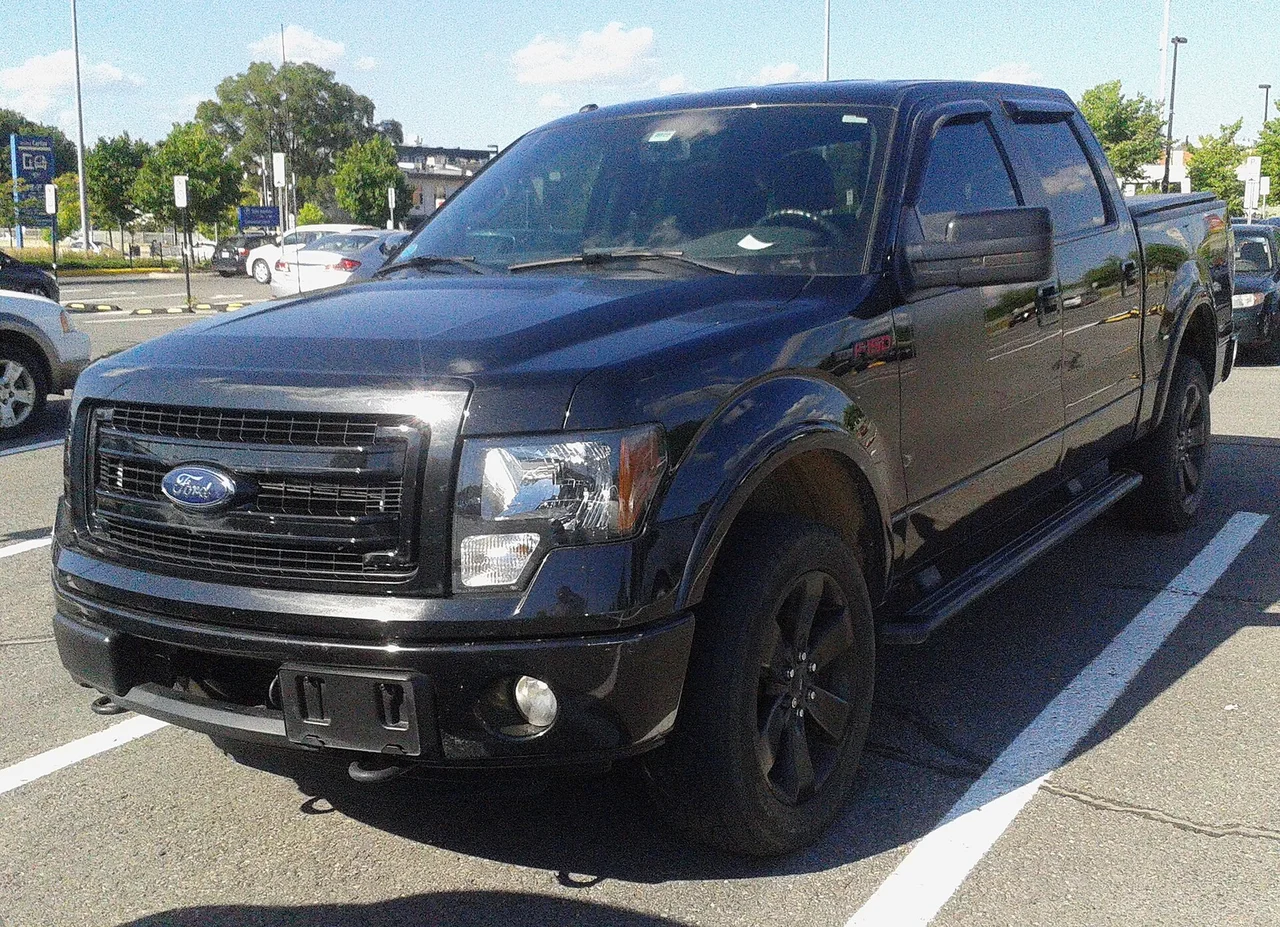
The brake booster vacuum hose on a Ford F-150 is a small part that directly affects how hard you have to press the brake pedal. It carries engine vacuum to the booster, usually through a one-way check valve. A cracked line or a failed valve can leave you with a hard pedal and longer stops. This guide explains how to confirm you need the hose, match it to your truck, and compare replacement options.
Define the job the product must do
Before buying anything, confirm the hose is actually the problem. A leaking booster supply line typically causes these signs: the pedal is firm and needs much more force than usual, you hear a hiss from the engine bay or near the brake pedal, and the idle runs rough or high. Sometimes lean fuel trim codes also appear, because unmetered air is entering the intake. For a quick check, start with the engine off and pump the pedal several times to use up stored vacuum. Hold light pressure on the pedal, then start the engine. The pedal should sink slightly as assist returns. If it does not, the fault may be in the hose, the check valve, the booster, or the vacuum source.
Keep the scope clear. A new vacuum hose will not fix worn brake pads, scored brake rotors, a sticking caliper, low brake fluid, or friction material that has reached its wear limits. Those faults change pedal feel in different ways, such as a soft or sinking pedal, pulling, or grinding, and each needs its own inspection. A hard pedal with no other symptoms points toward the assist system. If braking performance is noticeably reduced, stop driving the truck and have it towed or serviced. With reduced assist, every stop needs more force and a longer distance.
Check compatibility
Fitment depends on model year, engine, and sometimes production date, not just the F-150 name. The 2004 F-150 is a good example. That year included both the redesigned truck and the carryover Heritage model built on the previous platform, and their vacuum lines are not interchangeable. The 2004 to 2008 generation, which includes 2005 and 2006 trucks, offered several engines with different routing to the intake manifold. A 2010 F-150 belongs to a later generation with its own layouts. When searching catalogs or asking at a parts counter, have three details ready: the VIN, the engine size from the emissions label, and the build date from the door jamb label.
Next, look at the connection points on your own truck. These include the grommet and check valve at the booster, the port or quick-connect fitting at the intake manifold, any tee that feeds other vacuum devices, and the clips that hold the line away from hot or moving parts. Note whether the original is a molded assembly with preformed bends or a straight hose with separate fittings. Also confirm that the truck actually uses intake vacuum for brake assist. Some later engines, especially turbocharged or diesel versions, rely on a vacuum pump or another assist arrangement. A hose listed for one F-150 engine may have no place on another.
Features that affect the choice
The most important feature is the check valve. Many F-150 supply lines have the valve built into the hose assembly, while others use a separate valve seated in the booster grommet. If your old valve sticks or leaks, a hose without a valve will not solve the problem. The valve should let air flow out of the booster toward the engine and block flow in the other direction. A simple bench test is to blow gently through it from each end.
Material and shape matter next. Molded nylon or reinforced rubber assemblies keep the factory routing and resist collapsing under vacuum. Generic hose may kink at tight bends or soften near exhaust heat. If you use bulk hose, it must be rated for brake booster vacuum; ordinary fuel or heater hose is not a substitute. Fitting style also matters, since a correct quick-connect end snaps onto the manifold port without clamps. Treat labels like heavy duty or premium as marketing unless the listing states the material, whether the valve and grommet are included, and the exact vehicle fitment.
Limitations and ownership costs
Replacing the hose is usually straightforward, but access around the intake and firewall varies by engine, and old plastic fittings often break during removal. If the original grommet and clips are brittle, plan to replace them too. Inspect the whole route for chafing, oil soaking, and cracks, because a second hidden leak can make the new part look ineffective. Beyond these small parts there are no consumables. The hose is not part of the brake fluid circuit, so replacing it requires no bleeding.
Know what the part cannot do. If the new line and valve hold vacuum but assist is still weak, other causes are likely. The booster diaphragm may be leaking, the engine may not be producing normal vacuum, or the vacuum pump may be failing on trucks that use one. A booster with an internal leak can also draw brake fluid from a leaking master cylinder seal, which is a separate hydraulic problem. Follow the service information for your specific truck. Have a qualified technician diagnose any assist fault that persists after the hose is replaced.
Build a practical shortlist
Narrow down candidates with a short checklist rather than brand rankings. First, the listing should match your exact year and engine, plus the build date or Heritage versus new-body distinction where relevant. Second, the connector at each end should match your truck's booster grommet or valve and its manifold port. Third, you should know whether the check valve and grommet are included or must be bought separately. Fourth, the material and molded shape should suit the original routing and heat exposure. Fifth, the return policy should cover fitment errors, since vacuum line shapes are easy to misjudge from photos.
Compare the original equipment part and one or two aftermarket assemblies against these points, using the old hose as the reference if you have it in hand. After installation, repeat the engine-off pedal test, listen for hissing, and confirm that idle and fuel trims have returned to normal. If the pedal is still hard or the truck stops poorly, keep it off the road until the brake system has been properly inspected.