Ford F-150 Spark Plugs: Service Intervals and 5.4 Triton Issues
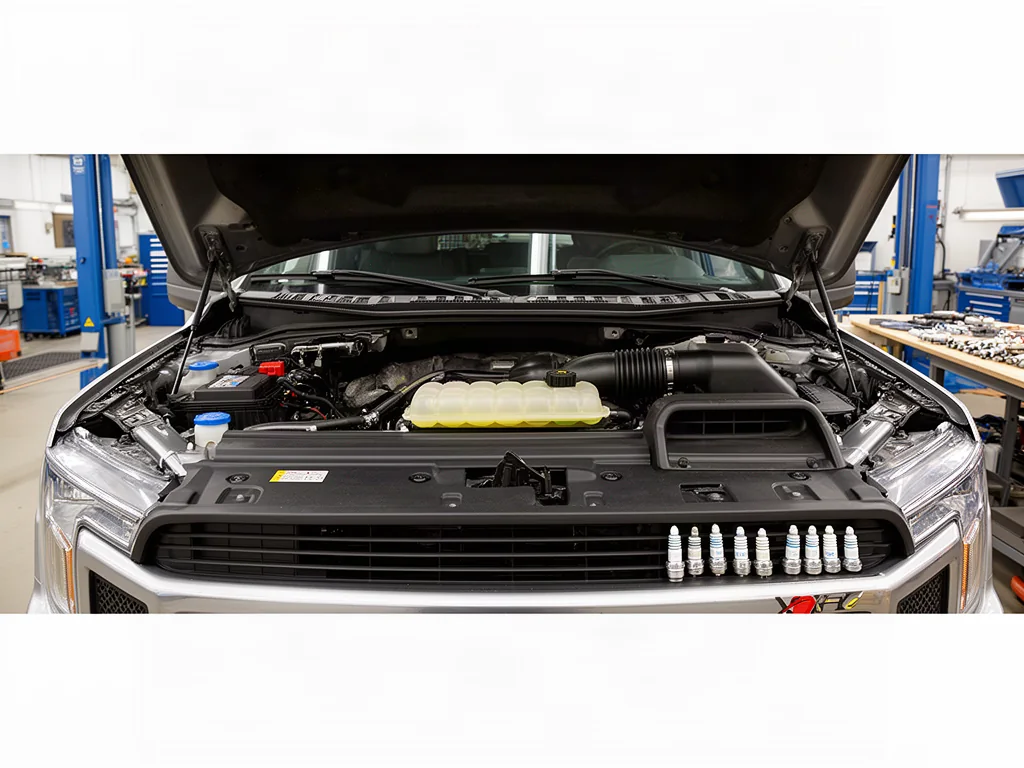
Choosing Ford F-150 spark plugs starts with knowing which engine is under the hood, because the truck has used several engine families over the years. The 5.4 Triton needs extra attention. Some versions are known for plugs that break during removal, and others are linked to plugs working loose from the cylinder head. This guide explains how to plan service, confirm parts and recognize warning signs.
Identify Your F-150 Engine Before Planning Plug Service
There is no single part number for spark plugs for a Ford F150. The model year and engine decide the correct plug design and service guidance. Start with the vehicle identification number, which identifies the engine. Then compare it with the underhood emissions label, the owner's manual and any dealer records. Together, these sources tell you which maintenance schedule and plug specification apply. If you go by a badge on the fender or a seller's description, you may buy parts or follow advice meant for a different engine.
If the records point to a 5.4 Triton, find out whether it has a two-valve or three-valve cylinder head before reading about its known plug problems. The breakage reputation and the ejection reputation belong to different versions. A dealer or trusted shop can check this from the VIN and a quick look at the engine. Records matter even more on a truck that got a replacement engine or an earlier cylinder head repair. The installed parts, thread condition and plug design may no longer match what the factory put in.
Find the Applicable Spark Plug Replacement Interval
The correct spark plug replacement interval comes from the maintenance schedule for your exact model year and engine, not from a general rule repeated on forums. Ford's published schedules may treat normal use and harder operation differently, so read the conditions carefully. Frequent towing, long idling, dusty roads, short trips or commercial use can put a truck on a different schedule. Compare how you actually drive with those definitions to decide when to replace the spark plugs on a Ford F150. Don't assume the longest interval applies.
Receipts that show the date, mileage and part numbers tell you whether the plugs were replaced and what was installed. Many used trucks come without that history. In that case, a shop can review whatever records exist, inspect the ignition system and help you plan the replacement ahead of time. Running problems are a separate matter. A misfire, rough idle or hesitation should be diagnosed even if scheduled replacement isn't due yet, because the plugs may not be the cause at all.
Confirm Plug Specifications and Fitment
Before buying Ford F150 spark plugs, confirm the plug design, thread reach, seat type, heat range and specified gap for your specific truck. The F-150 name, or even the 5.4 Triton label, doesn't settle compatibility, because engines of the same size used different cylinder heads and plugs. A plug can thread in and still have the wrong reach or heat range. That can affect combustion, ignition performance and how the plug seats in the head. Even pre-gapped plugs should be checked against the listed gap.
Updated plug designs have been released for some engines. To confirm one, look up current parts information for your truck by VIN through a dealer or a reputable parts catalog. Treat a revised part as the currently specified choice, not a guarantee that nothing will ever fail. Judge the ignition coils and boots separately. A cracked, swollen or contaminated coil boot may need replacing, but installing new plugs doesn't by itself mean the coils need replacing too. Base that decision on their condition and test results.
Understand Plug Breakage During 5.4 Triton Service
The best-known problem with 5.4 Triton spark plugs affects certain three-valve engines that still have the original-style plugs. These plugs are made in more than one piece and have a long lower shell that reaches into the combustion chamber. On some of these engines, the plug can come apart during removal and leave part of the shell inside the cylinder head. Not every three-valve engine has this problem, and many are serviced without trouble. The reputation comes from how much bigger the repair gets when it does happen.
Carbon and other combustion deposits can build up around the lower shell and lock it in the head. The upper part of the plug then turns while the lower section stays stuck. To judge that risk, first confirm which plug design is installed and which removal procedure Ford specifies for the engine. If a plug has already broken, or a technician thinks one might, hand the job to a shop with experience on these engines. Improvised removal attempts can damage the cylinder head threads or drop debris into the cylinder.
Recognize the 5.4 Triton Plug Ejection Concern
Some two-valve 5.4 Triton engines have a different problem: keeping the plugs in place. The concern is that the plug threads grip only a short depth of the aluminum cylinder head. A plug can loosen and be blown out of its hole, sometimes damaging the threads on the way out. There is no reliable figure for how often this happens, so don't assume every engine is at risk. Possible signs include a sudden loud pop, rough running and a clear loss of power.
The same symptoms can come from a failed coil, an exhaust leak or other faults, so they don't prove a plug was ejected. Earlier thread repairs, how tightly the plugs were installed and who did the last plug service all help a professional understand what happened. None of these should be assumed to be the cause. If you suspect a plug has blown out, stop somewhere safe, turn off the engine and arrange a professional inspection or a tow. Retightening a loose plug or repairing damaged threads is a job for a qualified shop.
Respond to Symptoms and Plan a Shop Visit
Rough idle, hard starting, hesitation and misfires can come from worn plugs. They can also come from failing ignition coils, fuel delivery problems, vacuum leaks or mechanical faults such as low compression. Stored trouble codes point diagnosis in a direction, but a misfire code is a clue to interpret, not proof that a spark plug failed. Write down when the symptoms appear, whether cold, under load or at idle. Also note how the check-engine light behaves and what service was done recently. Keep your hands away from a running engine.
A flashing check-engine light with severe shaking or a major loss of power means a serious misfire that can overheat the catalytic converter. Stop somewhere safe and arrange help instead of driving on. When you ask for an estimate, have the shop list the confirmed plug specification and the scope of the labor. On a 5.4 Triton, also ask how it will handle a plug that won't come out cleanly, and require your approval before any cylinder head work. Clear terms prevent surprises and keep the truck's service records accurate.