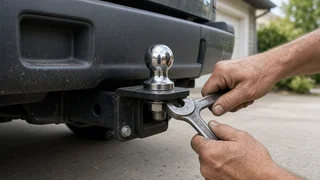
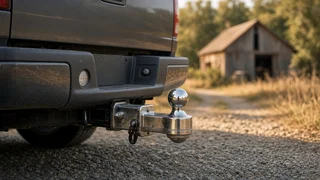
Ford Explorer trailer hitch ball
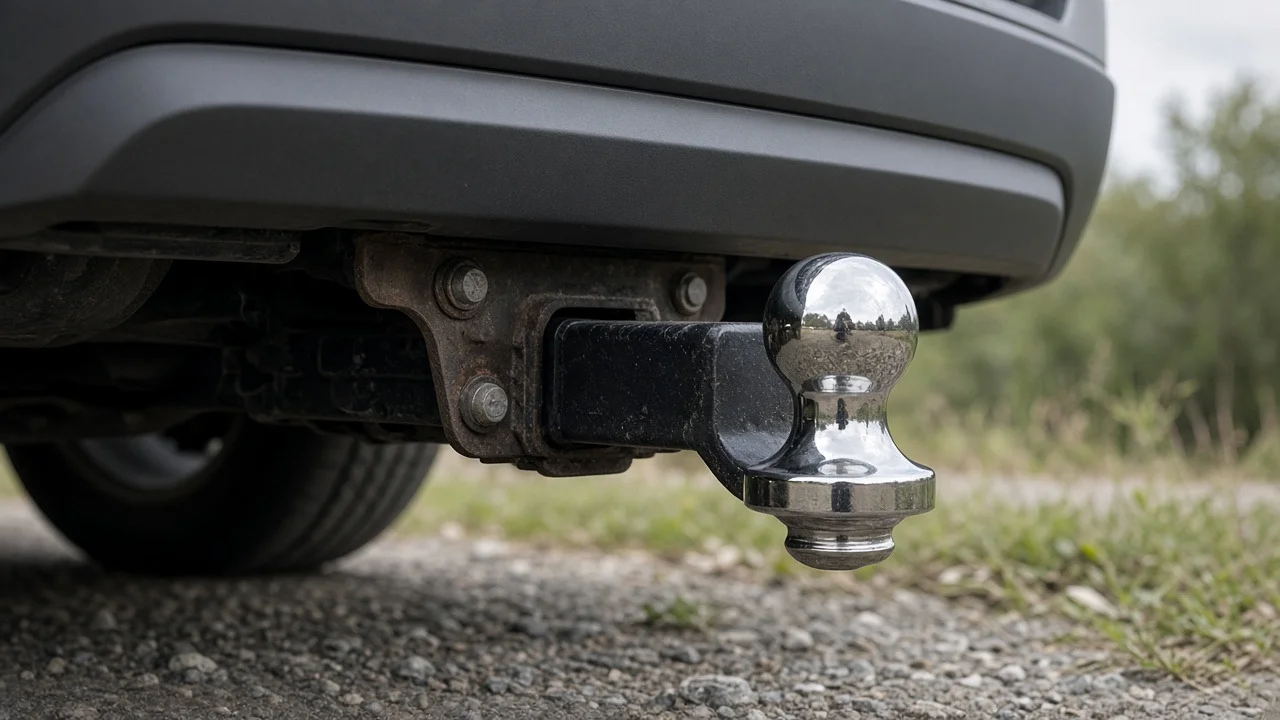
Choosing a trailer hitch ball for a Ford Explorer means matching the ball to the coupler, the load, and the hitch receiver rather than treating it as a one-size accessory. The right ball diameter and shank size keep the connection tight, while weight ratings must be interpreted against the vehicle's payload, gross vehicle weight rating, combined weight rating, axle rating, and tongue weight. Explorers vary by year and configuration, so a ball that fits one setup may not suit another. The goal is a secure towing platform that stays within the SUV's approved limits under real trailer loads.
The direct answer
A Ford Explorer trailer hitch ball is not defined by the Explorer alone; it is defined by the trailer coupler, the ball mount, and the loaded trailer's tongue weight. Most common couplers use a 2-inch or 2-5/16-inch ball, but the required diameter is stamped on the coupler or listed in the trailer documentation. The ball's shank must fit the hole in the ball mount, and the ball's rated capacity must exceed the tongue weight the Explorer will actually carry. If the Explorer uses a factory or aftermarket receiver, confirm the receiver class and the ball mount opening before purchase.
The condition that changes the answer is the trailer, not the SUV. A boat trailer, utility trailer, or camper often uses a different coupler size and a different loaded tongue weight. The Explorer contributes its receiver rating, payload, gross vehicle weight rating, combined weight rating, and axle rating; the ball contributes its own separate capacity. A ball rated for a heavier trailer can generally be used, but a ball that is too small for the coupler or below the tongue weight is unsafe. Check both stamped ratings each time the trailer changes.