Ford Explorer Timing Belt or Chain and Replacement Cost
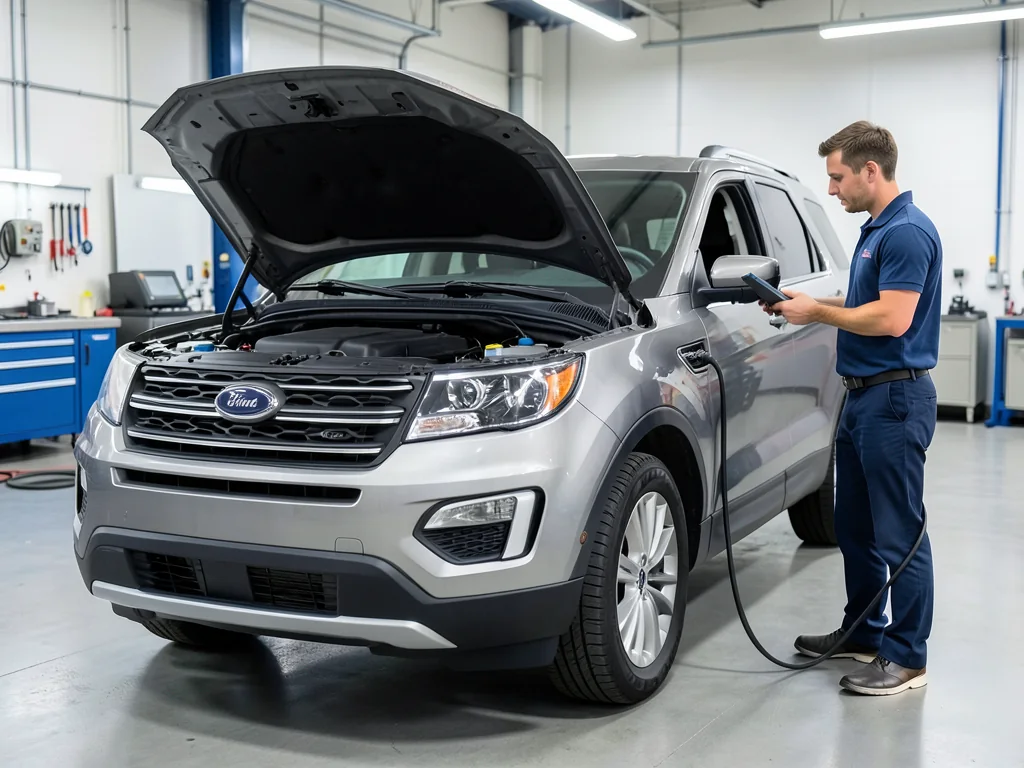
Whether a Ford Explorer uses a timing belt or a timing chain depends on the model year and engine, so a useful answer to Ford Explorer timing belt replacement cost starts with engine identification. Timing chain replacement on a Ford Explorer is a different job from changing a timing belt, and typical timing service cost follows that layout, local labor, and confirmed parts rather than a single Explorer-wide price.
Identify Your Explorer’s Timing System by Year and Engine
The timing belt or timing chain on a Ford Explorer is not one shared design across every generation. A timing belt for a Ford Explorer applies only when that specific engine uses a belt to drive the camshafts; many Explorers instead use a timing chain. Fitment is tied to model-year range and engine family, and some engines in the same generation can differ. Confirm the layout from the owner's manual, underhood emissions label, or a shop VIN lookup before treating belt service and chain service as interchangeable.
Engine identification is the practical first step. Build sheets, the door-jamb certification label, the underhood information sticker, and a VIN-based lookup through a repair shop can establish the engine code and model year so the shop can look up the correct camshaft timing system. Do not treat a visible accessory drive belt as proof of a timing belt. That outer belt turns the alternator, water pump on some engines, and other accessories; the internal timing chain or belt sits behind the timing cover and is a separate system.
What the Timing Chain Assembly Includes
A timing chain for a Ford Explorer keeps crankshaft rotation and camshaft timing in step so valves open and close in the correct relationship to piston travel. That crankshaft correlation is mechanical: the chain, or chains, wrap sprockets on the crankshaft and camshafts so they cannot drift independently while the engine is running. If that relationship is lost, valve and piston events no longer match the intended design, which is why shops treat confirmed timing faults as a drivability and mechanical-risk issue rather than a cosmetic noise.
The timing chain assembly is more than the chain itself. Timing chain guides control the path of the chain, and a timing chain tensioner keeps slack from allowing the chain to slap, skip, or jump. Chain count, routing, and component placement depend on the engine, so a dual-overhead-cam V6 does not share a kit with an older single-overhead-cam layout. Year-and-engine confirmation is required before discussing replacement parts. There is no universal Explorer timing kit, and ordering a chain without matching tensioners and guides to that engine is incomplete planning.
Warning Signs That Need Timing-System Diagnosis
Unusual engine rattling, especially at startup, rough running, hard starting, and a check-engine light can all appear when camshaft timing or crankshaft correlation is off, but none of those signs proves the timing chain has failed. An accessory drive belt, low oil, a worn tensioner on a different system, or an unrelated misfire can produce similar complaints. Treat the symptoms as a reason for diagnosis. Record when the noise occurs, whether it fades after oil pressure builds, how the warning light behaves, recent service, and oil level checked according to the owner's manual.
Professional testing may include engine oil pressure assessment, because a timing chain tensioner often relies on oil to hold chain slack. Technicians may also interpret stored fault codes as evidence of a timing or sensor mismatch, then confirm with camshaft-to-crankshaft timing checks rather than replacing parts from a code alone. Manufacturer-dependent codes still need vehicle-specific confirmation. If an oil-pressure warning appears, the engine makes severe mechanical noise, or power drops suddenly, stop safely, shut the engine down when it is safe to do so, and arrange assistance instead of continuing to drive.
When Timing Chain Replacement Is Justified
Timing chain replacement on a Ford Explorer should follow engine-specific diagnosis rather than mileage or a rattle by itself. High mileage can coincide with wear, but it does not define a replacement interval for every Explorer. Findings that can support repair include measured chain elongation, damaged timing chain guides, a failed timing chain tensioner, or incorrect mechanical timing confirmed against specification for that engine. A fault code pointing at cam or crank correlation is a starting point, not proof a chain must come out until inspection and testing agree.
Use the maintenance information for the exact vehicle instead of assigning a universal timing-chain replacement interval. Some engines are inspected or serviced only when wear or noise is confirmed; others may have published guidance that still must be read against that VIN. At a high level, professional repair includes access through the timing cover, inspection of associated sprockets, guides, tensioners, and seals, correct timing setup to restore camshaft-to-crankshaft relationship, and post-repair verification of idle quality, oil pressure, and stored codes. Detailed disassembly steps belong in a shop procedure, not a roadside attempt.
What Determines Explorer Timing Service Cost
Ford Explorer timing belt replacement cost is a meaningful question only after confirming that the engine actually uses a timing belt. If the vehicle uses a timing chain, the comparable job is timing chain replacement, not a belt change, and quoting belt labor against a chain engine misstates the work. A useful typical-cost estimate must identify the model year, engine, shop location, and repair scope. There is no supported Explorer-wide dollar amount that covers every generation, so ask for a labor estimate written against that VIN rather than a generic internet figure.
The main cost drivers are engine access, book labor time, the local labor rate, required timing components, seals, fluids, and any confirmed secondary damage. Some Explorer engines place the timing chain behind covers that require substantial disassembly; others are less buried, which changes hours. The price of a chain or kit alone does not represent the installed repair cost, because most of the bill is labor plus gaskets, oil, coolant if drained, and related hardware. Confirmed damage to sprockets, the tensioner, or the timing cover can expand the estimate after inspection.
What to Ask Before Authorizing Timing Repairs
Before authorizing work, request an itemized estimate that identifies the engine, diagnostic findings, labor hours, parts, fluids, taxes, and warranty terms. Ask which chains, guides, tensioners, and related components are included in the timing chain replacement, and what inspection findings justify any extra items. A complete labor estimate should separate diagnosis from repair so you can see whether camshaft timing was actually verified. If the shop quoted a timing belt for a Ford Explorer, confirm that the engine uses a belt; otherwise the line items will not match the hardware on the vehicle.
Require separate authorization if additional damage is discovered during disassembly, with the shop explaining how that finding changes the estimate before extra work proceeds. Ask how the shop will verify proper operation after repair, including confirmation of crankshaft correlation, oil pressure if it was part of the complaint, and a check for returning noise or warning lights. Clarify what follow-up applies to the completed work, including the warranty period on parts and labor and whether a recheck visit is expected after the engine has been driven through a normal heat cycle.