Ford Explorer Sway Bar Links: Fitment Guide
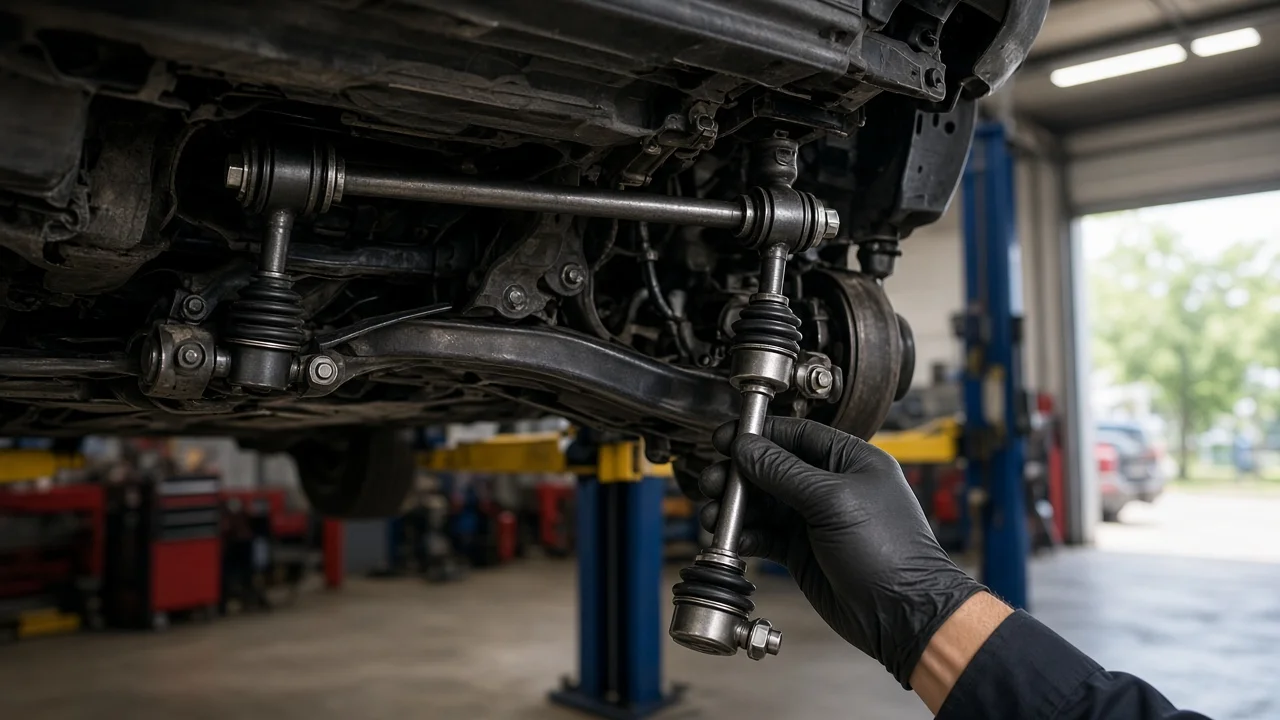
Sway bar links on a Ford Explorer are inexpensive parts, but no single link fits every model year. The right link depends on the generation, which end of the vehicle you are working on, the drivetrain, and sometimes the trim or suspension package. This guide explains how to narrow down fitment, how the links work, what signs point to a worn link, and when to confirm details with Ford service information or a parts specialist.
Short answer: match by VIN, position and generation
The correct sway bar link for an Explorer depends on the exact vehicle configuration. That includes model year and generation, front or rear position, drivetrain, and in some cases trim level or factory suspension package. The most reliable way to confirm fitment is to search a parts catalog by the 17-character VIN, or ask a dealer parts counter to look it up. Then compare the listing with the link you are removing. A catalog result that only asks for year and model is a starting point, not a guarantee. Different Explorer variants sold in the same year can use different suspension hardware.
Front and rear links are usually different parts, so order them separately. Some designs use the same link on both sides, while others are side-specific. Check whether the listing names left, right, or either side before you buy.
How sway bar links work on the Explorer
The sway bar, also called a stabilizer bar, is a torsion spring that connects the left and right sides of the suspension. When the body leans in a turn, one side of the suspension compresses and the other extends. That twists the bar, and the bar resists the lean. The links are short connectors between the bar ends and a suspension component, such as a control arm, strut or knuckle, depending on the design. Each end of a link usually has a ball-joint stud sealed by a rubber boot, or a stack of bushings and washers.
The links carry load every time the two sides of the suspension move unevenly, so their joints wear over time. A worn link typically clunks or rattles over broken pavement, speed bumps, or a driveway approached at an angle. The vehicle may also feel looser in turns. A worn link often makes no noise on smooth, straight roads. If a link breaks, the bar stops working on that side and body roll increases. The vehicle usually remains drivable, but it handles differently, especially in an emergency maneuver, so repair it promptly.
What changes the correct part
The Explorer has changed considerably over its production run. Early generations were body-on-frame. Independent rear suspension arrived with the 2002 model year. The 2011 redesign moved to a unibody platform, and the 2020 redesign moved to a rear-wheel-drive-based platform. Each change brought different suspension geometry, so a link from one generation generally will not fit another, even if it looks similar. Within a generation, check catalog notes for production-date splits. Related models such as the Mercury Mountaineer, Explorer Sport and Explorer Sport Trac shared some components with the Explorer, but not all, so do not assume their parts interchange.
Drivetrain and trim can matter as well. Two-wheel-drive and four-wheel-drive or all-wheel-drive versions, performance trims, Police Interceptor Utility models and some equipment packages can use a different bar diameter or mounting arrangement. That can change the link length or stud size. If your Explorer is a special version, give the VIN rather than relying on a generic listing.
Modifications also change the answer. A lift or leveling kit, or an aftermarket sway bar, can require longer or adjustable links. A stock-length link on a lifted vehicle can preload the bar or bind at full travel. Operating conditions affect wear, too. Frequent off-road use, rough roads and road salt tend to shorten link life and leave fasteners corroded.
Confirming fitment before you buy
Start with the VIN and note the position you need: front or rear, and left or right if the design is side-specific. Then examine the old link. Measure its length between stud centers and note whether the studs point in the same or opposite directions. Also note whether the stud ends have a hex or Torx recess for holding them while you turn the nut. Compare these details with the listing's photos and dimensions. Check the service history as well. If the link was replaced before, the installed part may be aftermarket and may not match the original design exactly.
Original equipment links are built to the manufacturer specifications for your vehicle. Aftermarket links vary: some are greasable, some use heavier construction or different boot materials, and quality differs between brands. No option is best for every owner. Look for intact, well-sealed boots, clear fitment notes and new nuts in the box. Many technicians replace links in pairs on the same axle so both sides wear evenly, especially when the other link is the same age.
Inspection and replacement tips
Inspect the links with the vehicle on the ground or the suspension loaded. Grab each link and push and pull it. Look for free play, torn or missing boots, grease leaks, heavy rust or a bent body. Having a helper rock the vehicle side to side while you listen near each corner can pinpoint the noise. Similar clunks can come from sway bar bushings, control arm bushings, ball joints, strut mounts or tie rod ends, so confirm the source before ordering parts.
Sway bar links usually have no fixed replacement interval in the maintenance schedule; they are replaced when inspection shows wear. Soak corroded threads with penetrating oil and hold the stud with the correct hex or Torx bit while you turn the nut, so the ball stud does not spin. Use new nuts if the service information calls for them. Tighten to Ford's torque specification for your model year, with the suspension at ride height if the procedure requires it, so the bar is not preloaded. Replacing links alone generally does not require a wheel alignment.
Limitations and when to get help
This guide cannot confirm a part number for your vehicle. Catalog data can contain errors, and individual Explorers may have been modified. Torque values, fastener reuse rules and procedures vary by year, so use factory service information for your exact model. Get professional help if a fastener is seized or a stud keeps spinning, if a bolt snaps, or if the mounting point on the control arm or strut is damaged. Do the same if the noise continues after new links are installed. Ask a dealer to check the VIN for open recalls or applicable warranty coverage. As a next step, record the VIN and the corner where you hear the noise, inspect the links, and then order parts that match that configuration.