Ford Expedition Timing Chain Replacement: Symptoms, Diagnosis and Repair Scope
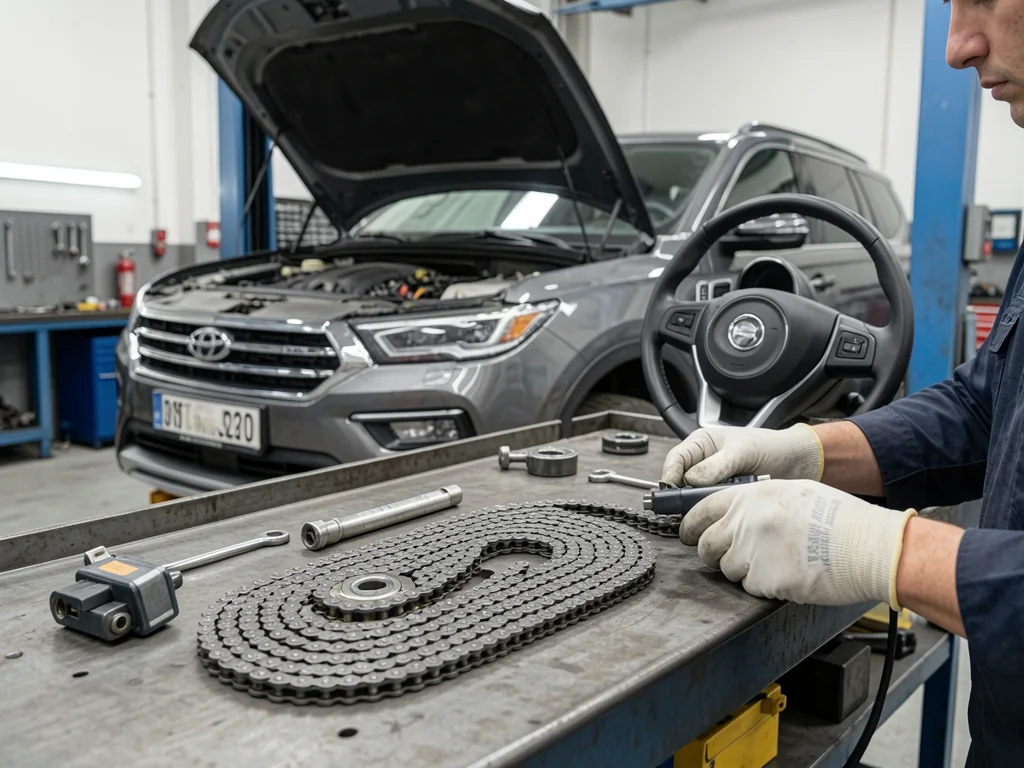
Timing chain trouble in a Ford Expedition often begins with an unsettling startup rattle or a nagging check engine light that hints at camshaft-to-crankshaft correlation problems. Because the Expedition has rolled out with several different engines over its generations, recognizing how timing chain stretch, worn guides, or a failing tensioner presents on your specific model is the first step toward an effective repair. This guide explains the symptoms, diagnosis, and what a ford expedition timing chain replacement realistically involves on a full-size SUV engine, including variable valve timing and cam phaser considerations.
Why Timing Chain Condition Matters on a Ford Expedition
The timing chain keeps the crankshaft and camshafts locked in precise rotational sync so that intake and exhaust valves open and close at exactly the right moments during each piston stroke. If the chain stretches or its plastic guides and hydraulic tensioner wear, that synchronization drifts, causing rough running, reduced power, and increased fuel consumption. On an Expedition, this precision matters even more when variable valve timing and cam phaser units rely on stable cam timing to adjust valve events under load.
Chains are designed for long service, but they are not immune to wear, especially when oil changes are neglected or the engine operates with low oil pressure. A stretched chain can slap against the timing cover, while degraded guides can break and send fragments into the oil pan. Left unaddressed, what begins as a cold-start rattle can progress to persistent clatter, misfires, and, in the most severe cases, piston-to-valve contact if the chain jumps a tooth. Treat this as an awareness and planning guide, not a step-by-step repair manual, because the confirmation and replacement require professional-level access and tools.
Confirm Your Expedition's Model Year and Engine Before Anything Else
The Ford Expedition has been offered with a range of powerplants, including Triton V8s, EcoBoost V6s, and even a diesel in some markets, and their timing systems differ dramatically. A 5.4L 3-valve V8 has unique cam phaser and guide concerns, while a 3.5L EcoBoost uses a different chain layout and tensioner strategy. Before researching parts or reading forum failures, confirm your exact model year and engine code by decoding the VIN, checking the emissions label under the hood, or consulting your owner's manual and dealer records.
Using advice, replacement parts, or repair estimates written for a different engine can lead to wasted work and incorrect diagnosis. Service bulletins and updated timing component part numbers exist for some Expedition engines, but their applicability depends strictly on your vehicle's calibration and production date. A dealer or a shop with current Ford service information can verify whether a revised tensioner or updated guide applies to your truck. Never assume that a parts listing that fits one Expedition engine will perform correctly on another.
Symptoms That Can Point to Timing Chain Wear
Common timing chain wear symptoms on an Expedition include a metallic rattle or slapping noise at cold startup that fades within a few seconds, along with a rough idle, hesitation on acceleration, and an illuminated check engine light. The startup rattle often points to a tensioner that has bled down oil overnight, allowing the chain to whip until pressure returns. Some owners also note a rhythmic ticking from the front of the engine that changes with RPM, especially when the engine is under load.
However, these same symptoms can come from low or incorrect-viscosity engine oil, cam phaser actuation problems, a failing accessory belt tensioner, exhaust leaks, or even an ignition misfire. Before assuming the chain is worn, check the oil level on the dipstick, review your service history for missed oil changes, and record a short video of the noise with the engine cold. Take note of when the noise occurs, how long it lasts, and whether it quiets down after the engine warms up — that detail helps a technician separate timing chain issues from simpler faults.
Reading Trouble Codes Without Overinterpreting Them
When the Expedition's powertrain control module detects that the camshaft and crankshaft are not rotating in the expected relationship, it may store codes such as P0016, P0017, P0018, or P0022 — commonly described as cam/crank correlation faults. Variable valve timing codes for stuck or slow cam phasers and random misfire codes (P0300) can also surface because spark and fuel delivery timing is compromised. However, exact code definitions and the most probable causes vary by engine, model year, and even calibration, so always verify the vehicle-specific meaning in Ford service information before interpreting any code.
A stored code is evidence of what the engine computer observed, not proof that the chain, tensioner, or phaser has physically failed. The same correlation code can be triggered by a failing camshaft position sensor, damaged wiring, low oil pressure, a stuck variable valve timing solenoid, or simply wrong oil viscosity. Never clear codes and keep driving if the check engine light is flashing, there is a loud metal-on-metal rattle, or the vehicle loses power noticeably — those conditions suggest a risk of further mechanical damage that should be evaluated immediately.
How a Professional Confirms a Worn Timing Chain
Professional timing chain diagnosis on an Expedition typically starts with a thorough scan tool review of live data, including cam and crank position sensor readings, requested versus actual cam angle, and variable valve timing duty cycle. The technician may also check oil pressure with a mechanical gauge and inspect oil condition for metal particles or degraded viscosity. Careful listening with a mechanic's stethoscope can help localize the noise, but sound alone cannot reliably distinguish a worn chain from a noisy phaser or a failing lash adjuster.
In many cases, confirmation requires removing the valve covers or even the front timing cover to inspect chain slack, guide wear, and tensioner extension. This diagnostic teardown often involves several hours of labor that is billed separately from the replacement itself, and it may be the only way to see whether the chain has stretched beyond the tensioner's range. Before authorizing the repair, ask the shop what specific test or measurement confirmed the chain wear, which guide or tensioner failed, and whether any related damage—such as a scored timing cover or broken guide fragments in the oil pan—was found.
What Ford Expedition Timing Chain Replacement Involves
Replacing the timing chain on a Ford Expedition is a labor-intensive job that requires extensive disassembly of the front accessory drive, valve covers, harmonic balancer, and front timing cover. The chain, guides, tensioners, and often the cam phasers or variable valve timing actuators must be removed and reinstalled in precise alignment with the crankshaft and camshaft marks. On overhead-cam engines with multiple chains—for example, one primary chain and one chain per cylinder head—the scope grows quickly, which is why book time for this repair is measured in many hours.
Shops typically recommend replacing not just the bare chain but the complete timing set: guides, tensioners, sprockets, and often cam phasers, oil control solenoids, and gaskets. Using the correct engine-specific timing tools and following current Ford service procedures is critical because one misaligned cam sprocket can cause valves to contact pistons. This is generally not a beginner-friendly DIY job, and this article intentionally gives no step-by-step instructions. After replacement, expect fresh oil and filter, new coolant if drained, code clearing, a test drive to verify cam timing data, and a post-repair leak check.
Cost Factors, Repair Decisions and Preventive Habits
Total cost for an Expedition timing chain replacement is driven by engine design, labor rates in your region, the scope of parts included, and whether you choose OEM or reputable aftermarket components. Engines with multiple chains or phasers that require camshaft locking tools take longer, and any additional damage found during inspection—such as a cracked guide debris in the oil pickup or a scored cam journal—can increase the final bill substantially. Always request a written estimate that itemizes parts and labor, and ask about warranty terms on both parts and workmanship.
Before spending heavily on a repair, weigh the value of your Expedition against its overall condition, mileage, recent transmission or suspension work, and how long you intend to keep it. Preventive habits that support the timing system include using the exact oil type and change interval listed in your owner's manual, checking the oil level monthly, and never ignoring a new engine rattle, especially at startup. Addressing oil leaks or low oil pressure early can often delay timing chain wear and protect the variable valve timing components from premature failure.