Ford EV Range: Lightning, Mustang Mach-E, Focus Electric and Maverick
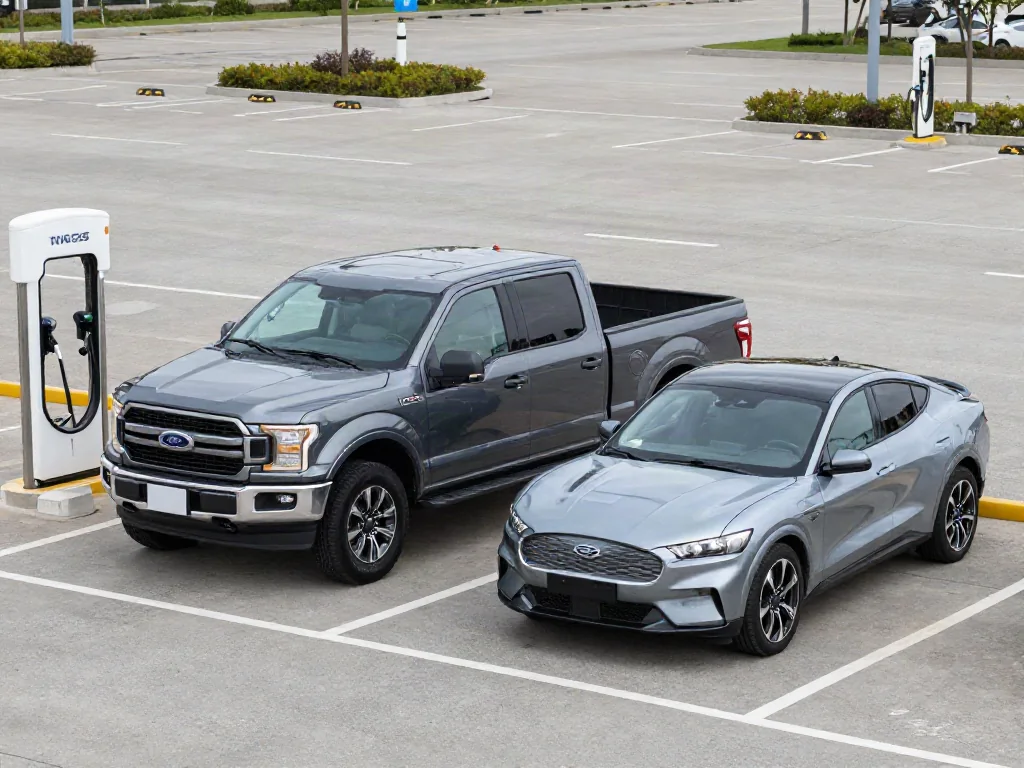
Whether you drive a Focus Electric, Mustang Mach-E, or F-150 Lightning, understanding Ford EV range helps you plan trips and assess battery health. Range varies by model year, battery configuration, driving conditions, and load. Search terms like ford f150 ev range and ford ev truck range point to the Lightning, while mustang ev range refers to the Mach-E. The Maverick hybrid lacks a plug-in electric-only range. This guide covers ratings, trip planning, and evaluating a used Focus Electric.
What a Ford EV Range Rating Tells You
EPA-rated range estimates the distance a fully charged EV travels under standardized laboratory test conditions. The figure allows comparison among vehicles but does not predict every real-world trip. The exact rating depends on key details: model year, battery capacity, and whether one or two motors drive the wheels. A larger battery generally yields more range, while dual-motor all-wheel drive often uses slightly more energy. Consult the window sticker or manufacturer documentation for the applicable number.
The dashboard range estimate—often called the guess-o-meter—adapts to recent driving patterns, outside temperature, and climate-control use. After a highway trip in cold weather, a full charge may show a lower predicted distance than the EPA figure. This is normal behavior, not a battery fault. Remember that range and charging time answer different questions: range tells how far you can go, while charging time depends on battery level and charger power.
Finding the Range Rating for a Mustang Mach-E
Searches for mustang ev range and ev mustang range refer to the Mustang Mach-E, Ford's all-electric crossover. No single range number applies to every Mach-E. Battery capacity and motor configuration changed across model years and trim levels. A Standard Range rear-wheel-drive version differs from an Extended Range all-wheel-drive model. Always verify the exact battery pack size and drivetrain for your specific vehicle before using a quoted EPA estimate.
Planning a highway trip requires adjusting the EPA rating for real conditions. Sustained speeds above roughly 65 mph increase aerodynamic drag and energy consumption. Cold weather reduces battery efficiency and may require cabin heating. Preconditioning the cabin while plugged in can preserve range. Starting charge and a planned arrival reserve determine usable distance. If you depart at 90 percent and want to arrive at 15 percent, only 75 percent of battery energy is available for the leg.
F-150 Lightning Range for Daily Driving and Towing
Ford electric pickup range questions target the F-150 Lightning. Like the Mach-E, EPA ratings are specific to model year and battery size—Standard Range or Extended Range. The larger pack provides more energy, but towing and heavy loads can cut real-world distance significantly. Factor in cargo weight, driving speed, terrain, and ambient temperature. A trailer increases aerodynamic drag and rolling resistance, so energy consumption rises sharply.
Recent energy use—miles per kilowatt-hour—offers a better planning basis than any fixed towing range. If the truck normally uses 2.5 miles per kWh but drops to 1.5 miles per kWh with a trailer, the available distance falls by 40 percent. Use the observed consumption with your intended load to calculate charge stops. Consider trailer access at charging sites; many stations require unhitching. Keep a practical arrival reserve, such as 10 to 15 percent, in case of detours or wind.
Focus Electric Range and Used-Battery Condition
The Focus Electric was produced for several model years, and the original EPA-rated range improved over time. Early versions carried smaller batteries and shorter ratings, while later models offered more capacity and greater distance. Before relying on any figure, confirm the exact model year. The original rating applies to a new battery under ideal conditions, not to a used vehicle after years of service.
A test drive provides useful clues about current usable range. Note the state of charge at the start, reset the trip meter, and observe distance traveled and energy consumption. Compare that consumption with the original rating's implied efficiency. Cold weather or aggressive driving will affect the result. The dashboard estimate is only a prediction based on past conditions; it cannot measure true battery degradation. If range seems persistently low, a professional battery-condition assessment can measure actual energy capacity.
What a Maverick EV Range Search Actually Refers To
Ford Maverick EV range searches usually refer to the unibody compact pickup. As of the current model years in North America, the Maverick is offered with a hybrid powertrain or a conventional gasoline engine. The hybrid variant is not a plug-in hybrid electric vehicle (PHEV) and cannot be charged externally. Therefore, it has no EV-only range rating, unlike the Lightning or Mach-E.
In a conventional Maverick hybrid, the gasoline engine and electric motor work together automatically. The vehicle may operate on electric power alone at low speeds or during coasting, but there is no driver-selectable electric mode or battery-electric range. The dashboard's distance-to-empty indicates total driving range using both gasoline and electric assist. Do not interpret that figure as an EV range. Future electrified Maverick variants, if any, should be considered only when officially confirmed for a specific model year and market.
Turning Your Ford EV’s Range Into a Trip Plan
Turn the applicable EPA rating into a realistic plan by adjusting for speed, weather, terrain, and load. Start with the vehicle's rated efficiency or your observed consumption. Convert battery usable energy and consumption into consistent units: kilowatt-hours and miles per kilowatt-hour. For example, a 70 kWh usable battery at 3 miles per kWh predicts about 210 miles, but only if you use the full charge. Reserve a margin for unexpected conditions.
Plan charging stops based on departure charge, arrival reserve, and available locations. If you start at 80 percent and want 15 percent on arrival, you have 65 percent of usable energy. Divide that by the consumption estimate to get leg length. A single unexpectedly low estimate after one trip does not indicate battery degradation; wind, cold, or speed may explain it. Persistent, unexplained range loss or battery-system warnings warrant professional evaluation.