Ford Edge Check Engine Light: Causes and First Checks
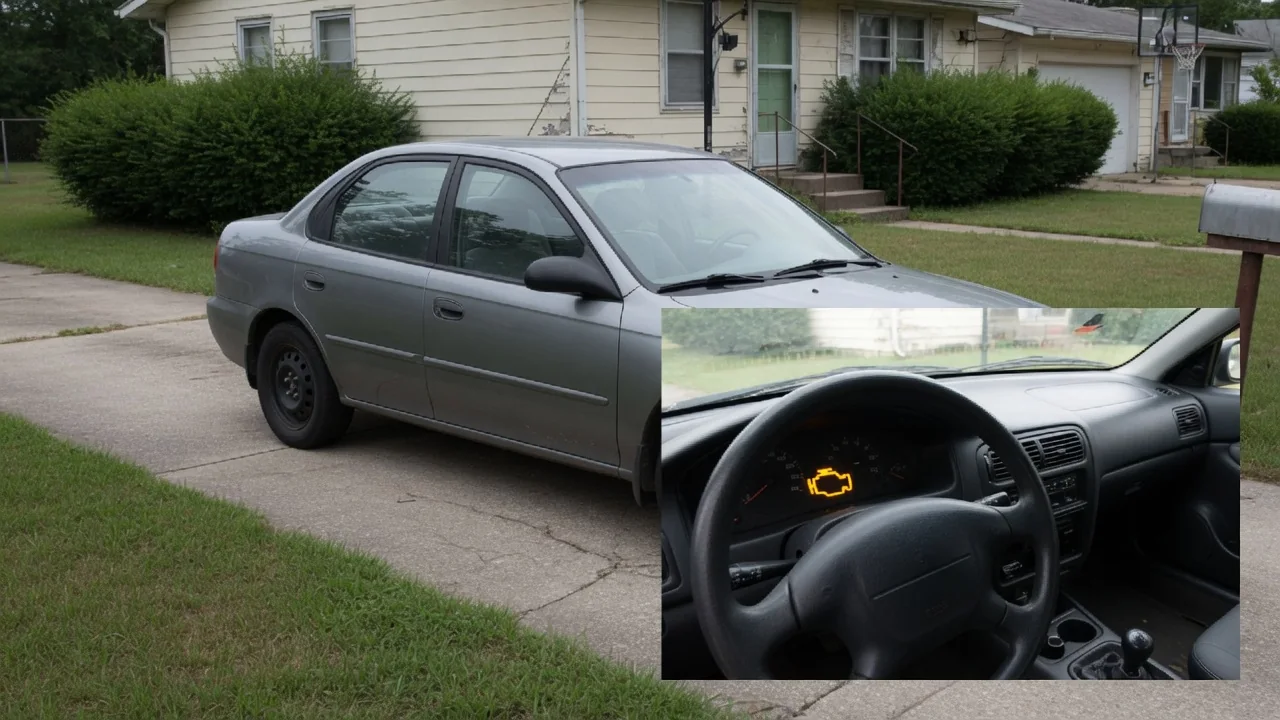
A check engine light on a Ford Edge means the powertrain control module has stored a fault related to engine management or emissions. The malfunction indicator lamp does not name the failed part, and the same Ford Edge check engine light can appear for many different monitored conditions. Start with the Edge's model year, engine, mileage, and recent driving symptoms, then use those details to decide how urgently to scan for OBD-II trouble codes.
What the Check Engine Light Means on Your Ford Edge
When the check engine light comes on your Ford Edge, the engine-shaped malfunction indicator lamp is reporting that a monitored engine-management or emissions condition has failed a test. That warning is a request for diagnosis, not a parts list. The same lamp can illuminate for ignition, fuel, air-metering, catalyst, or evaporative emissions system issues, and it cannot tell you which component is at fault. Treat the light as stored evidence that something in the powertrain control strategy needs confirmation with codes and symptoms.
Before you guess at causes, write down the Edge's model year, engine, current mileage, and what the vehicle was doing when the light appeared. A cold-start stumble, a long highway run, or a recent fill-up can point in different diagnostic directions. Confirm you are looking at the engine-shaped check engine indicator rather than oil, temperature, or traction warnings, because those lamps mean different systems. Your model-year owner's manual shows the correct icon and any message-center wording used on that Edge.
Flashing Light, Rough Running, and When to Stop
A flashing check engine light on a Ford Edge can indicate an active engine misfire while the engine is still running. Unburned fuel can reach the catalytic converter and overheat it, so a flashing lamp is more urgent than a steady one. If the flashing continues, or the Edge shakes severely, loses substantial power, or produces smoke or a strong fuel odor, pull over when it is safe, shut the engine off if conditions allow, and arrange assistance rather than continuing to drive.
A steady Ford Edge check engine light still needs prompt diagnosis even if the vehicle seems drivable. Reduced engine power, a rough idle, or hesitation can appear with a solid lamp, and those symptoms should influence whether you continue a short trip or seek service immediately. Follow the owner's manual rather than treating the light as a permission slip to ignore the problem. If an overheating warning or low oil-pressure warning appears at the same time, stop safely and shut the engine off to limit possible damage.
Safe Observations Before a Service Visit
Note whether the check engine light on your Ford Edge appeared after refueling, during a cold start, while idling, or under acceleration. Those details help a technician match freeze-frame data to the event. With the vehicle parked and the engine off, inspect the fuel-filler area and confirm it is closed correctly. Some Edges use a traditional cap and others use a capless filler, so look at your specific vehicle before assuming a loose cap is the issue, then reseat or close the filler as that design requires.
Write down any rough idle, hesitation, hard starting, unusual odors, or a change in fuel use, but do not try to recreate the problem on the road. A misfire or evaporative leak may already be stored, and extra driving under those conditions can make the situation worse. Do not disconnect the battery or clear OBD-II trouble codes just to turn the lamp off. That action can erase freeze-frame data and pending status that show when fuel trim, misfire counts, or evaporative emissions tests failed.
Possible Causes Behind an Edge Check Engine Light
Ignition or fuel-delivery problems can contribute to engine misfire, hesitation, or rough running on a Ford Edge, but those symptoms are not proof that a coil, plug, injector, or pump has failed. The control module may set a misfire-related code while the actual issue is a wiring fault, a fuel-pressure problem, or another cylinder condition. Evaporative emissions system leaks and fuel-filler sealing issues can also turn the lamp on after a fill-up. Confirm whether that Edge uses a cap or a capless system before treating the filler as the cause.
Air-metering faults, intake leaks, and fuel-mixture problems can disturb fuel trim and illuminate the malfunction indicator lamp, yet they still require supporting codes and tests. Oxygen-sensor circuit codes and catalyst-efficiency codes name a monitored condition, not a confirmed failed part; a sensor reading can be downstream of an exhaust leak, a misfire, or a mixture issue. Keep any example tied to your Edge's year and engine, because induction, emissions hardware, and code definitions vary. Do not rank likely causes by how often they appear without evidence from this vehicle.
Reading Trouble Codes Without Guessing at Parts
An OBD-II scan is a starting point for a Ford Edge check engine light, not a shopping list. Record the exact trouble codes, whether each is pending or confirmed, and any freeze-frame data that shows engine speed, load, temperature, and fuel trim at the moment the fault set. Manufacturer-dependent codes need vehicle-specific definitions for that Edge year and powertrain before you interpret them. A generic label from a basic scanner can misstate what Ford actually monitors, so confirm the description against a source that matches the vehicle.
A stored code identifies a monitored condition or circuit, which may be a sensor, an actuator, wiring, a vacuum leak, or another underlying problem. An oxygen-sensor or catalyst-efficiency code, for example, does not establish that those parts need replacement. When codes and symptoms do not point to a simple sealing issue, professional testing of live data, ignition, fuel delivery, or evaporative-system integrity is the next step. That work should stay on diagnostic equipment and published procedures; skip improvised tests that could create a fire, injury, or further damage.
What to Bring to the Shop and How to Confirm the Fix
Take the Edge's model year, engine information, exact OBD-II trouble codes, a timeline of when the check engine light appeared, and notes on recent refueling or service. Those details let a technician compare freeze-frame data with what you felt at the wheel. Ask which test findings support the recommended repair and whether any other faults remain unresolved. A clear explanation should connect the stored condition, the live-data or component tests, and the part or sealing issue being addressed, rather than treating the lamp itself as the diagnosis.
Clearing the Ford Edge check engine light does not confirm that the fault is gone. After a repair, monitors need the right operating conditions to run, and a follow-up scan should show that the original condition has not returned. If the malfunction indicator lamp comes back, return for diagnosis instead of repeating the same parts swap. Stop safely and shut the engine off if severe shaking, substantial power loss, smoke, a strong fuel odor, overheating, or an oil-pressure warning develops while you wait for that confirmation.