Ford EcoBoost Engine Repair: How to Choose a Repair Approach
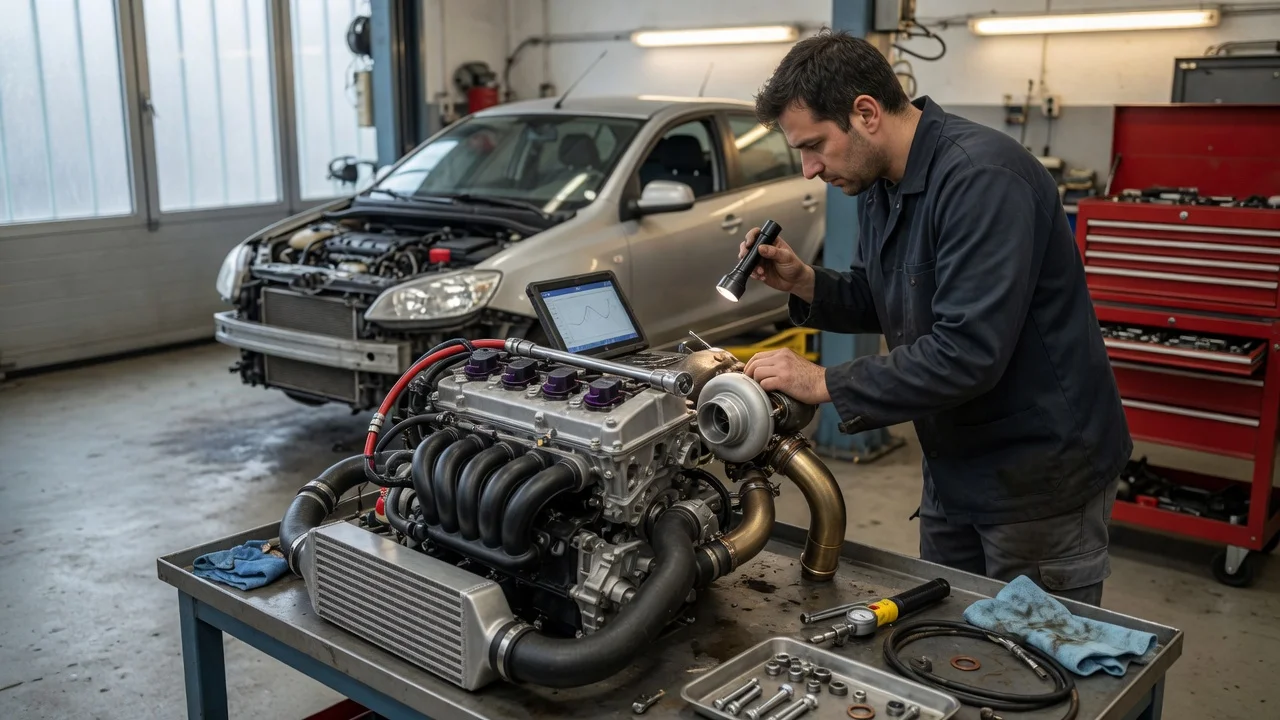
Start with the intended use
Before choosing a Ford EcoBoost engine repair method, define what the vehicle needs to do after the work is finished. A daily commuter may accept a factory-spec repair with standard parts, while a tow vehicle, track car, or high-mileage work truck may need stronger attention to cooling, oil supply, or component access. Also consider where the repair will happen: a home garage with basic tools, a dealer bay, or an independent shop with engine-building experience. The result should match the actual operating conditions, local parts availability, and the level of inspection the owner is willing to pay for.
Features that matter
Focus on failure evidence rather than a generic list of engine features. Common EcoBoost repair points include oil leaks, coolant loss, timing chain wear, carbon buildup on intake valves, and turbocharger or intercooler-related faults. Engine displacement, model year, and whether the engine is transverse or longitudinal can change labor time and replacement part choices, but they do not by themselves predict failure. Use a borescope inspection, compression or leak-down test, and fault-code reading to determine whether the problem is mechanical, electrical, or related to the air and fuel system.
Pay attention to specifications that affect reassembly. Torque procedure, bolt replacement requirements, timing tool fitment, and sealant or gasket type matter more than a brand name. If the repair involves the high-pressure fuel system, follow the service procedure for relieving pressure and replacing one-time-use components. Do not treat a specification as a quality score; a higher compression ratio or larger turbo does not automatically make a repair more durable.
Check compatibility
Confirm that the repair approach matches the vehicle's platform, engine code, model year, and control system. Not all EcoBoost parts or procedures transfer between generations. Check whether the shop or kit supports the correct engine family, transmission packaging, fuel type, and software calibration. For DIY work, verify that the available scan tool can read manufacturer-specific codes and perform the required relearn or reset functions after repair. For shop work, ask whether the facility has the timing tools, torque equipment, and service information for the exact engine variant.
Build a shortlist
Use a concrete checklist instead of comparing vague rankings. Shortlist a repair approach only when it satisfies the following:
The diagnosis identifies a specific failure and rules out unrelated systems. The repair method has service information for the exact engine code and year. Required specialty tools are available or included. Replacement parts meet the original equipment specification unless a documented upgrade is needed. Fluids, seals, bolts, and calibration steps are covered in the quote or plan. The workspace or shop can handle cooling, fuel, and electrical precautions safely. The estimated repair time fits the owner's downtime limit. The selected approach leaves a clear path for inspection and verification after reassembly.
Reject approaches that start with parts replacement before the fault is isolated, or that mix engine families without confirming interchange. A short repair path is only useful if it does not skip the diagnostic step that protects the rest of the engine.
After the repair, verify the result with a warm idle, a test drive that includes load and deceleration, and a follow-up check for fluid levels, leaks, and pending fault codes. If the repair requires relearning, complete that step in the specified order before judging the result.